Introduction
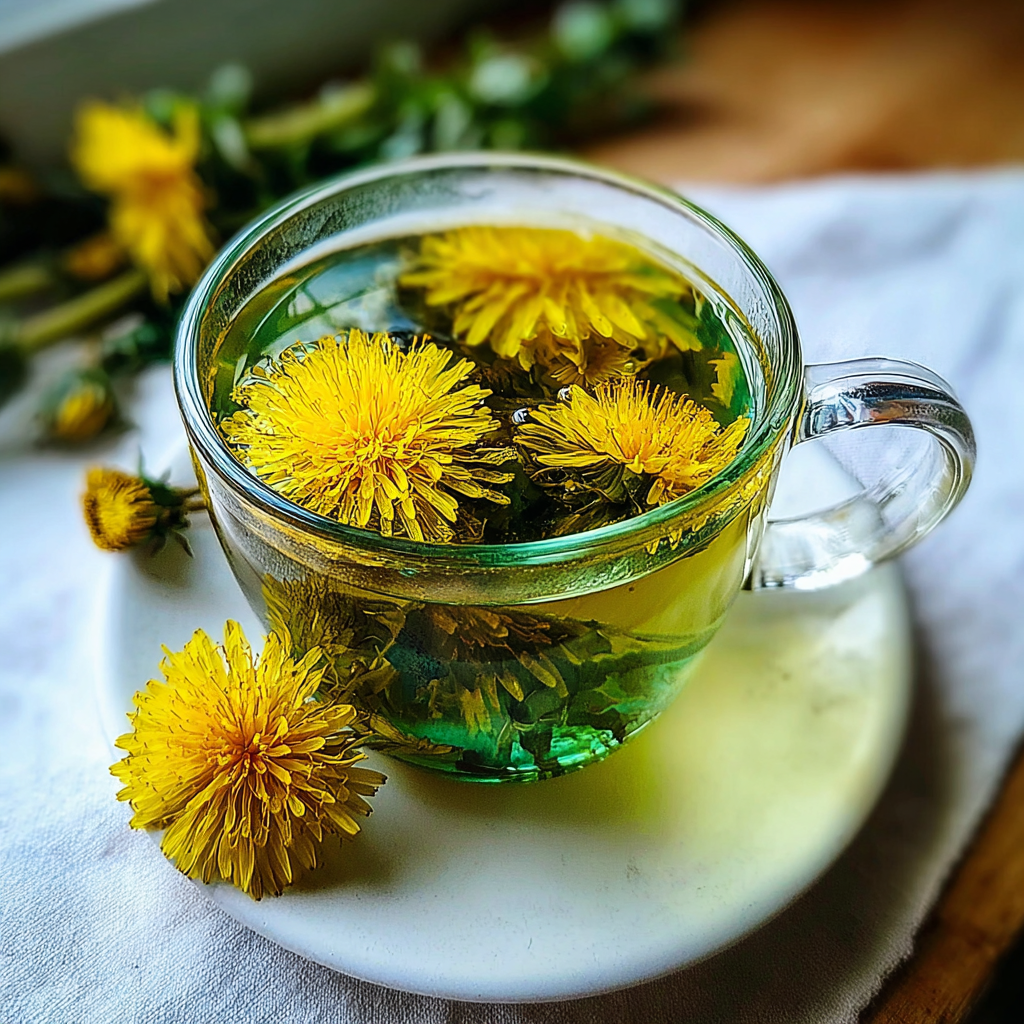
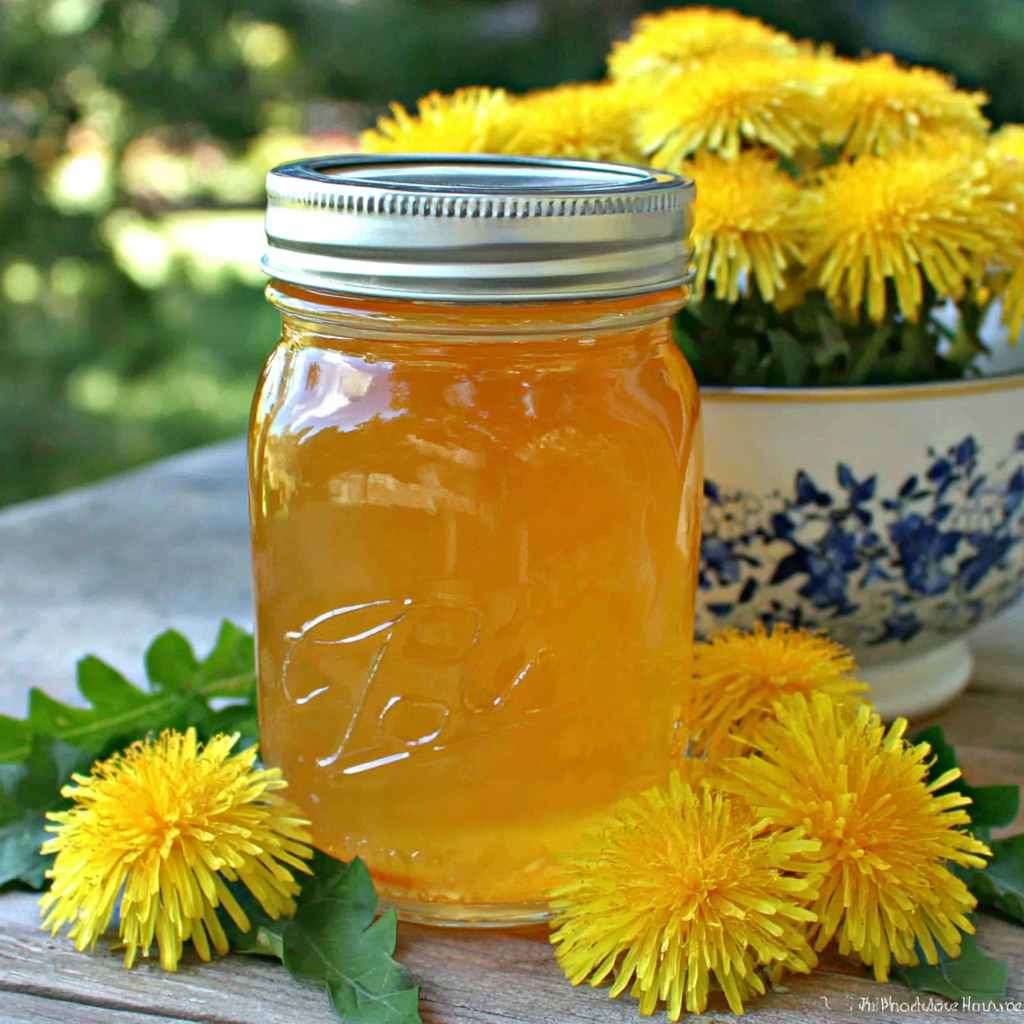
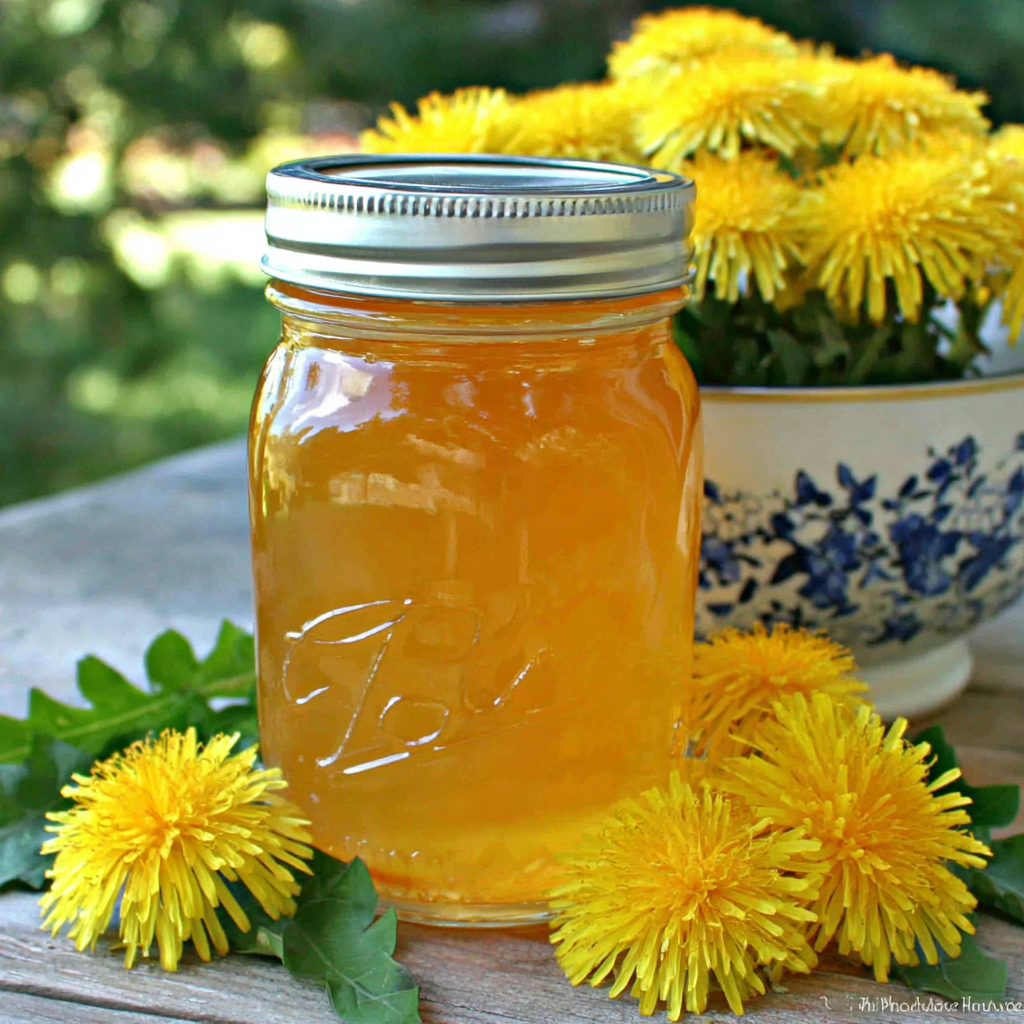
Dandelion jelly, with its bright golden hue and delicate floral notes, brings a touch of sunshine to your kitchen. Made from the often-overlooked dandelion flower, this jelly captures the essence of spring in every jar. While many consider dandelions mere weeds, this versatile ingredient offers a world of culinary possibilities and joy.
Making dandelion jelly is not only a way to showcase your foraging skills but also a delightful project for any home cook. The process allows you to connect with nature while creating something unique and flavorful. As you glean these vibrant flowers from your backyard, you’ll find satisfaction in transforming them into a delightful spread for your morning toast.
Ingredients
- 5 cups dandelion flowers
Freshly picked dandelion flowers are the star of this jelly. They impart a fragrant, slightly sweet flavor reminiscent of spring. Ensure you gather them from pesticide-free areas, as the quality of the flowers will affect the jelly's taste. - 4 cups water
Water is essential for extracting the flavor and nutrients from the dandelion flowers. It acts as a base to create the herbal infusion that will form the jelly's foundation. - 1/4 cup lemon juice
Lemon juice not only adds a pleasant tartness that balances the sweetness but also serves as a natural preservative, helping the jelly to set properly and retain its vibrant color. - 1 package (1.75 oz) fruit pectin
Pectin is crucial for achieving the desired gel-like consistency in the jelly. It helps to thicken the mixture, ensuring that it spreads smoothly on your favorite bread. - 5 cups granulated sugar
Sugar is not just for sweetness; it also helps to preserve the jelly and enhances its texture and flavor. The amount used creates the perfect balance for a delightful taste experience.
Directions & Preparation
Step 1: Gather and prepare the dandelion flowers
Begin by harvesting dandelion flowers, ideally on a sunny day when the blossoms are open and fresh. Choose fully bloomed flowers, avoiding any brown or wilted petals. Once collected, rinse them gently under cool water to remove any dirt and insects, then remove the green parts of the flowers, as they can impart a bitter flavor to the jelly.
Step 2: Make the dandelion infusion
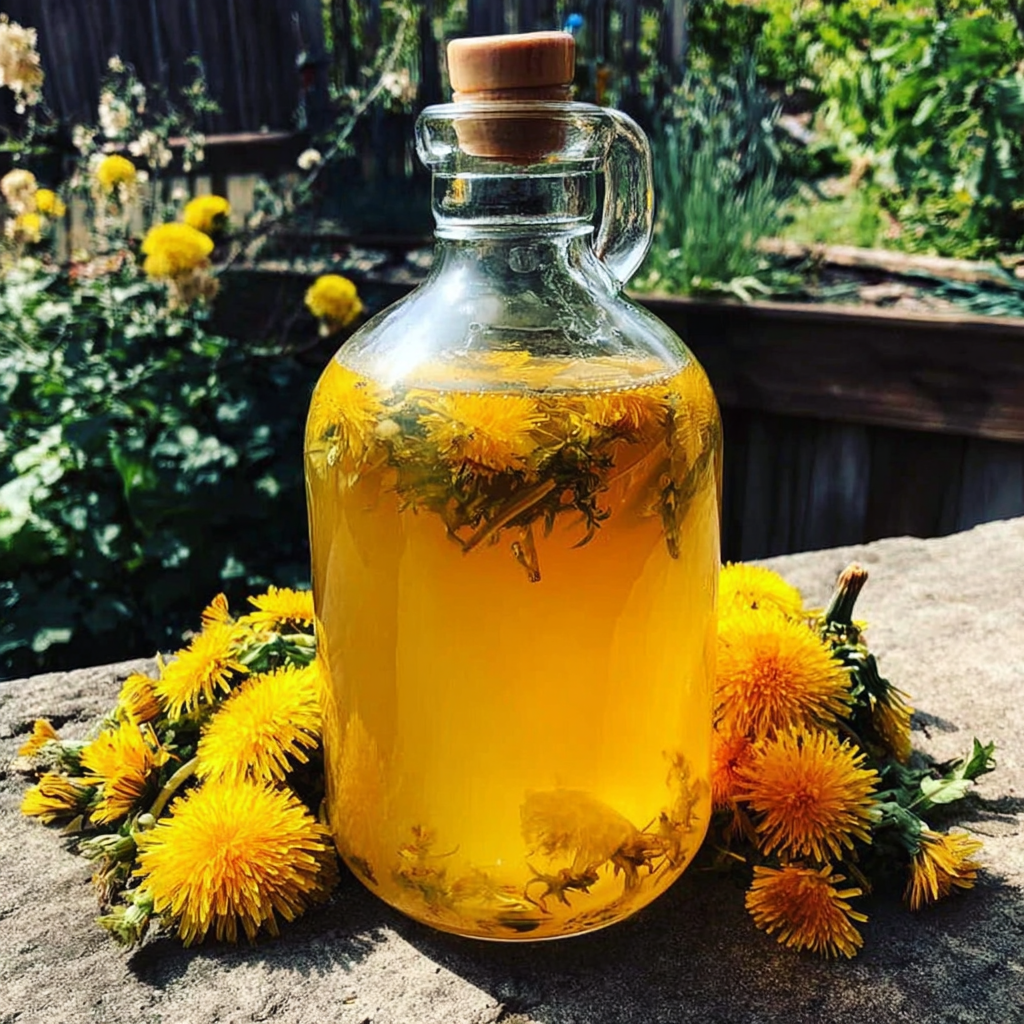
Place the cleaned flowers in a large pot, covering them with water. Bring the mixture to a gentle boil, then reduce the heat to a simmer. Allow it to steep for about 30 minutes, which helps extract the beautiful color and flavor of the dandelions. This step is important as it forms the essence of your jelly, and it's crucial to prevent boiling too hard, which could damage the delicate flowers.
Step 3: Strain the infusion
After steeping, use a fine mesh strainer or cheesecloth to separate the liquid from the flower petals. Press down gently to extract as much liquid as possible, striving for a rich, golden extract. This infusion is the main base for your jelly, so ensuring a clear and flavorful result is key to a successful outcome.
Step 4: Combine the infusion, lemon juice, and pectin
In a clean pot, combine the strained dandelion liquid with lemon juice and pectin. Stir thoroughly to dissolve the pectin before heating. This ensures an even texture and prevents lumps in your jelly. Heat the mixture over medium heat, stirring constantly until it reaches a gentle boil, which is vital for activating the pectin.
Step 5: Add sugar and bring to a rolling boil
Gradually stir in the sugar, ensuring it fully dissolves. Once incorporated, bring the mixture back to a rolling boil. This stage is critical; it needs to boil vigorously for at least one minute to achieve the correct consistency. Use a candy thermometer to monitor the temperature, aiming for about 220°F, which indicates that the jelly is ready to set.
Step 6: Test for the jelly's consistency
To ensure your jelly has the right thickness, perform a spoon test: place a spoonful on a cold plate, let it sit for a minute, then run your finger through it. If the jelly holds its shape and the path remains, it’s ready for canning. If not, continue boiling for another minute and test again. This careful monitoring will ensure a perfect set.
Step 7: Pour into sterilized jars
Carefully ladle the hot dandelion jelly into sterilized jars, leaving about 1/4 inch of headspace at the top. This space is necessary for the sealing process. Wipe the rims of the jars with a clean cloth to remove any jelly residue, which can interfere with sealing. Proper jar preparation helps maintain freshness and prevents spoilage.
Step 8: Seal and process the jars
Top each jar with a sterilized lid, screwing on the metal bands until they are fingertip-tight. Process the jars in a boiling water bath for 5-10 minutes, depending on your altitude. This step not only seals the jars but also ensures the jelly is safe for long-term storage. Adjust processing time according to your local recommendations to ensure safety.
Step 9: Cool and store the jelly
Once processed, carefully remove the jars from the water bath and set them on a clean towel or cooling rack. Allow them to cool completely, which may take several hours. After cooling, check that the lids have sealed properly. Store the jars in a cool, dark place, and enjoy the fruits of your labor on a delightful piece of toast or as a sweet addition to any meal.

The Charm of Dandelion Foraging
Foraging for dandelions presents an opportunity to connect with nature and appreciate the beauty of wild ingredients. As you wander through your garden or local green spaces, gathering these vibrant yellow flowers can feel like a treasure hunt. Just ensure you pick them from areas free of chemicals or pesticides, allowing you to enjoy a wholesome and organic product. This moment of gathering not only nurtures a deeper appreciation for nature but also lays the groundwork for crafting a unique homemade jelly.
A Sweet and Herbal Flavor Profile
Dandelion jelly offers a unique taste experience that balances sweetness with earthy, mildly herbal tones. The infusion captures a snapshot of spring, transforming the often-misunderstood flower into a delightful culinary creation. The interplay between the floral notes of the dandelions and the acidity of lemon juice heightens the flavor, making it a versatile spread. Pair it with savory cheeses or use it as a topping on desserts to elevate your dishes and impress your guests.
Preserving the Essence of Spring
Jelly-making is not just about flavor; it's also about preservation. By transforming dandelions into jelly, you capture their vibrant essence, allowing you to enjoy the taste of spring long after the flowers have faded. Home canning provides an invaluable way to make the most of seasonal ingredients, and dandelion jelly is a splendid example of this practice. Each jar is a reminder of sunny days and wildflowers, giving you a taste of nature's beauty throughout the year.
FAQs
Can I use dandelion leaves instead of flowers?
Using leaves instead of flowers will yield a different flavor and possibly a more bitter jelly. It's best to stick with the blossoms for a sweeter, more palatable result.
What can I do if my jelly is too runny?
If your jelly does not set properly and remains too runny, you can reheat it with additional pectin, following the manufacturer's instructions. Boil it for a few minutes before re-canning.
Can I use honey instead of granulated sugar?
While honey can be used as a substitute for sugar, it will alter the flavor and sweetness. If using honey, reduce the amount of liquid slightly and adjust to taste.
What if my jelly tastes bland?
If your dandelion jelly lacks flavor, consider adding more lemon juice or adjusting the sugar levels. A little more acidity can enhance the overall taste profile.
Is there a way to enhance the color of the jelly?
To achieve a richer color, ensure you are using fully opened dandelion flowers and steeping them long enough to extract their full essence. Avoid using any green parts, as they may dull the hue.
Can I mix in other flavors, like herbs or spices?
Certainly! Adding herbs like mint or spices such as ginger can create unique flavor combinations. However, start with small amounts to ensure the dandelion flavor shines through.
Conclusion
Dandelion jelly is an enchanting blend of flavors and a celebration of one of nature's most resourceful flowers. Its preparation is not only a rewarding culinary endeavor but also a delightful way to commemorate the arrival of spring each year. As you enjoy this sweet jelly, it serves as a reminder of the joyous simplicity found in foraging and creativity in the kitchen.
Whether spread on warm bread, paired with cheese, or used in dessert recipes, dandelion jelly brings a unique touch to your culinary repertoire. So gather those dandelions, and relish the experience of crafting this delightful jelly that infuses your table with the beauty of nature.
Recipe Card
Delightful Dandelion Jelly for Home Cooks
Ingredients
Method
- Gather and prepare the dandelion flowers
- Make the dandelion infusion
- Strain the infusion
- Combine the infusion, lemon juice, and pectin
- Add sugar and bring to a rolling boil
- Test for the jelly's consistency
- Pour into sterilized jars
- Seal and process the jars
- Cool and store the jelly
Notes
Additional serving suggestions: pair with a crisp salad, garlic bread, or roasted seasonal vegetables for balance.
For make-ahead, prep components separately and assemble just before heating to preserve texture.
Taste and adjust with acid (lemon/vinegar) and salt right at the end to wake up flavors.