Introduction
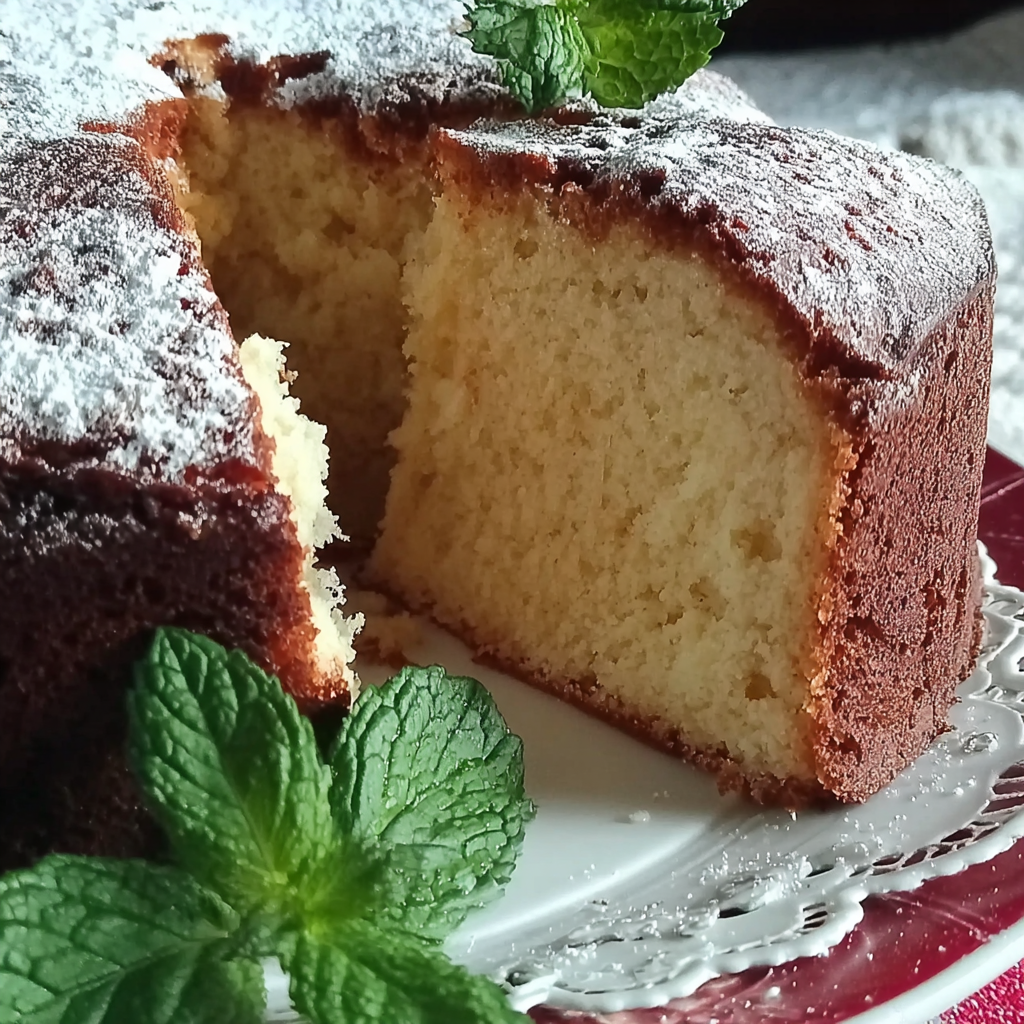
Irish Dairy Cake, with its rich flavors and moist texture, is a beloved traditional dessert that encapsulates the warmth of Irish hospitality. This cake celebrates the simple yet profound flavors of dairy, often sourced from local farms, offering a unique richness that delights the palate.
At its heart, the cake combines basic ingredients that result in a beautifully light and fluffy dessert—perfect for any occasion. Whether served alongside a cup of tea or as the centerpiece for a gathering, this cake is sure to impress your guests with its authenticity and taste.
Ingredients
- 250g plain flour
Plain flour is the foundation of the cake, providing structure without overpowering the delicate crumb. It creates a light texture that allows the flavors of the cake to shine through. - 200g caster sugar
Caster sugar dissolves easily, contributing to the cake's moistness and sweetness. This fine granulation allows for a smooth batter that incorporates air during mixing, enhancing the cake's rise. - 150g unsalted butter
Butter adds richness and moisture, resulting in a tender crumb. Using unsalted butter allows you to better control the overall saltiness of the cake. - 3 large eggs
Eggs act as a binding agent, helping to hold the ingredients together. They also contribute to the cake's structure and provide moisture, resulting in a fluffier texture. - 100ml milk
Milk hydrates the dry ingredients and adds creaminess to the cake, enhancing both flavor and texture. It also helps create a fine crumb and balances the sweetness. - 1 tsp baking powder
Baking powder is a leavening agent that helps the cake rise by releasing carbon dioxide gas during baking, creating a light and airy texture. - 1 tsp vanilla extract
Vanilla extract adds depth of flavor, complementing the sweetness of the sugar and enriching the overall taste of the cake. - Pinch of salt
Salt enhances the flavors of the other ingredients, balancing the sweetness and providing a more complex flavor profile.
Directions & Preparation
Step 1: Preheat your oven to 180°C (350°F) and grease a cake pan.
Preheating the oven ensures that the cake cooks evenly right from the start. Greasing the cake pan prevents sticking, allowing the cake to release effortlessly once baked. Use butter or baking spray for a reliable nonstick surface.
Step 2: In a large mixing bowl, cream together the butter and sugar until light and fluffy.
This step is crucial for incorporating air into the mixture, which will help the cake rise during baking. Creaming properly results in a light texture, so beat vigorously until the mixture is pale and fluffy, about 3-5 minutes.
Step 3: Add the eggs one at a time, mixing well after each addition.
Adding the eggs gradually helps incorporate them evenly into the batter. This process also helps to emulsify the ingredients, resulting in a smoother batter that bakes into a more tender cake.
Step 4: Mix in the vanilla extract and milk until well combined.
Incorporating milk and vanilla adds moisture and flavor to the batter. Ensure that these liquid ingredients are fully blended with the egg and sugar mixture to achieve a uniform consistency.
Step 5: Sift in the flour, baking powder, and salt, gently folding until just combined.
Folding in the dry ingredients helps maintain the airiness of the batter without overmixing, which can lead to a dense cake. Use a spatula to gently incorporate the flour until no dry streaks remain.
Step 6: Pour the batter into the prepared cake pan and level the top.
Leveling the top of the batter ensures even baking. An unlevel surface can lead to uneven rising, resulting in a lopsided cake. Use a spatula or the back of a spoon to smooth the top.
Step 7: Bake in the preheated oven for 25-30 minutes or until a toothpick comes out clean.
Baking times can vary based on your oven and the type of pan used, so keep an eye on your cake as it approaches the end of the cooking time. A toothpick inserted into the center will help determine doneness; it should come out clean or with crumbs, not wet batter.
Step 8: Allow the cake to cool in the pan for 10 minutes, then transfer to a wire rack to cool completely.
Cooling the cake in the pan first prevents it from collapsing. Once transferred to a wire rack, air can circulate around it, allowing for a perfect cooling process without becoming soggy.
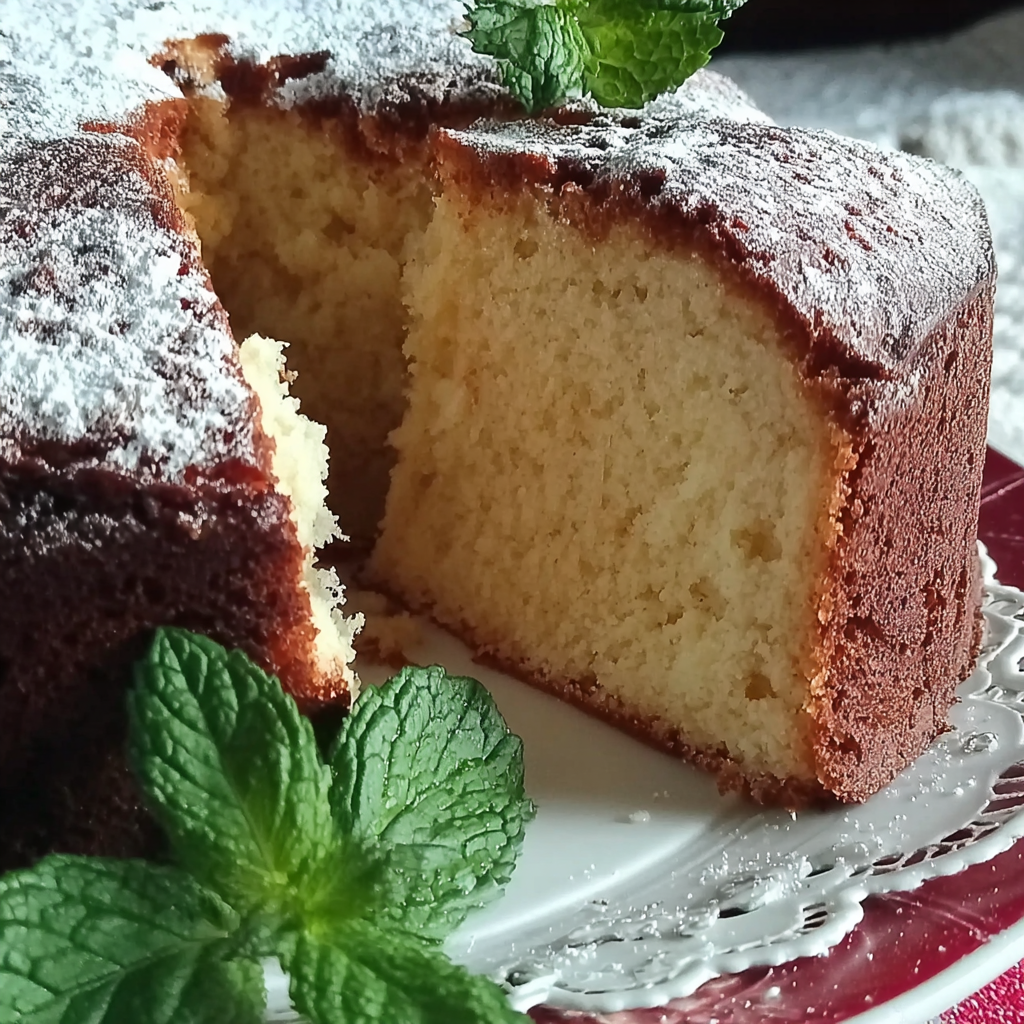
Step 9: Serve plain or dust with icing sugar for a simple finish.
Serving the cake plain highlights its rich flavor, but a dusting of icing sugar adds an appealing touch and visual contrast. It’s a wonderful way to showcase the simplicity and authenticity of this traditional Irish treat.

The Role of Dairy in Irish Baking
Dairy has been a cornerstone of Irish cuisine, particularly in baking. The use of butter, cream, and milk not only contributes to the rich flavor profile of Irish Dairy Cake but also impacts texture and moisture. This reliance on high-quality dairy ingredients reflects Ireland’s agricultural heritage, where dairy farms are prevalent, ensuring fresh and wholesome components in every bite.
Pairing Suggestions for Serving
Irish Dairy Cake pairs beautifully with a variety of beverages, especially a strong cup of Irish tea or coffee. For a more indulgent experience, serve it with whipped cream or a scoop of fresh vanilla ice cream. Its versatility means it can also shine as a dessert at gatherings, making it an appealing option for afternoon teas or festive occasions.
Variations to Explore
While the traditional Irish Dairy Cake is delightful on its own, experimenting with flavors can elevate its taste profile even further. Consider adding zests from citrus fruits, spices like cinnamon, or even dried fruits such as raisins or sultanas. Each addition brings a new dimension, allowing home bakers to personalize the cake and cater it to their guests’ preferences.
FAQs
What should I do if my batter is too thick?
If your batter is too thick, try adding a little more milk, one tablespoon at a time, until you reach a smooth consistency. This will help ensure even baking and a lighter texture.
My cake turned out bland. What happened?
A bland cake may result from insufficient sugar or flavoring. Ensure you've measured correctly and consider adding a bit more vanilla or even a touch of almond extract to enhance the flavor.
What can I do if my cake is overcooked?
If your cake is overcooked, it may end up dry. Next time, check it a few minutes earlier than the recipe suggests to prevent this; every oven can vary.
Can I halve the recipe for a smaller cake?
Yes, you can halve the ingredients to create a smaller cake. Just ensure your baking time is adjusted; keep an eye on it as it bakes.
What if I don't have the right size cake pan?
If you don’t have the specified cake pan, you can use a similar-sized dish, but be aware that baking times may vary. Adjust as necessary and check for doneness regularly.
How can I add more flavor to the cake?
To boost the flavor, consider incorporating spices such as nutmeg or cinnamon, or folding in citrus zest. Dried fruits can also lend additional sweetness and texture.
Conclusion
Baking an Irish Dairy Cake is a rewarding experience that celebrates the simplicity of traditional Irish cooking. With its moist texture and delightful flavor, it’s a cake that’s perfect for any occasion.
Whether enjoyed on its own or dressed up with accompaniments, this cake is sure to become a cherished recipe in your home. Embrace the artistry of baking and share this delicious treat with loved ones for a truly memorable experience.
Recipe Card
Delightful Irish Dairy Cake for Home Bakers
Ingredients
Method
- Preheat your oven to 180°C (350°F) and grease a cake pan.
- In a large mixing bowl, cream together the butter and sugar until light and fluffy.
- Add the eggs one at a time, mixing well after each addition.
- Mix in the vanilla extract and milk until well combined.
- Sift in the flour, baking powder, and salt, gently folding until just combined.
- Pour the batter into the prepared cake pan and level the top.
- Bake in the preheated oven for 25-30 minutes or until a toothpick comes out clean.
- Allow the cake to cool in the pan for 10 minutes, then transfer to a wire rack to cool completely.
- Serve plain or dust with icing sugar for a simple finish.
Notes
Additional serving suggestions: pair with a crisp salad, garlic bread, or roasted seasonal vegetables for balance.
For make-ahead, prep components separately and assemble just before heating to preserve texture.
Taste and adjust with acid (lemon/vinegar) and salt right at the end to wake up flavors.