Introduction
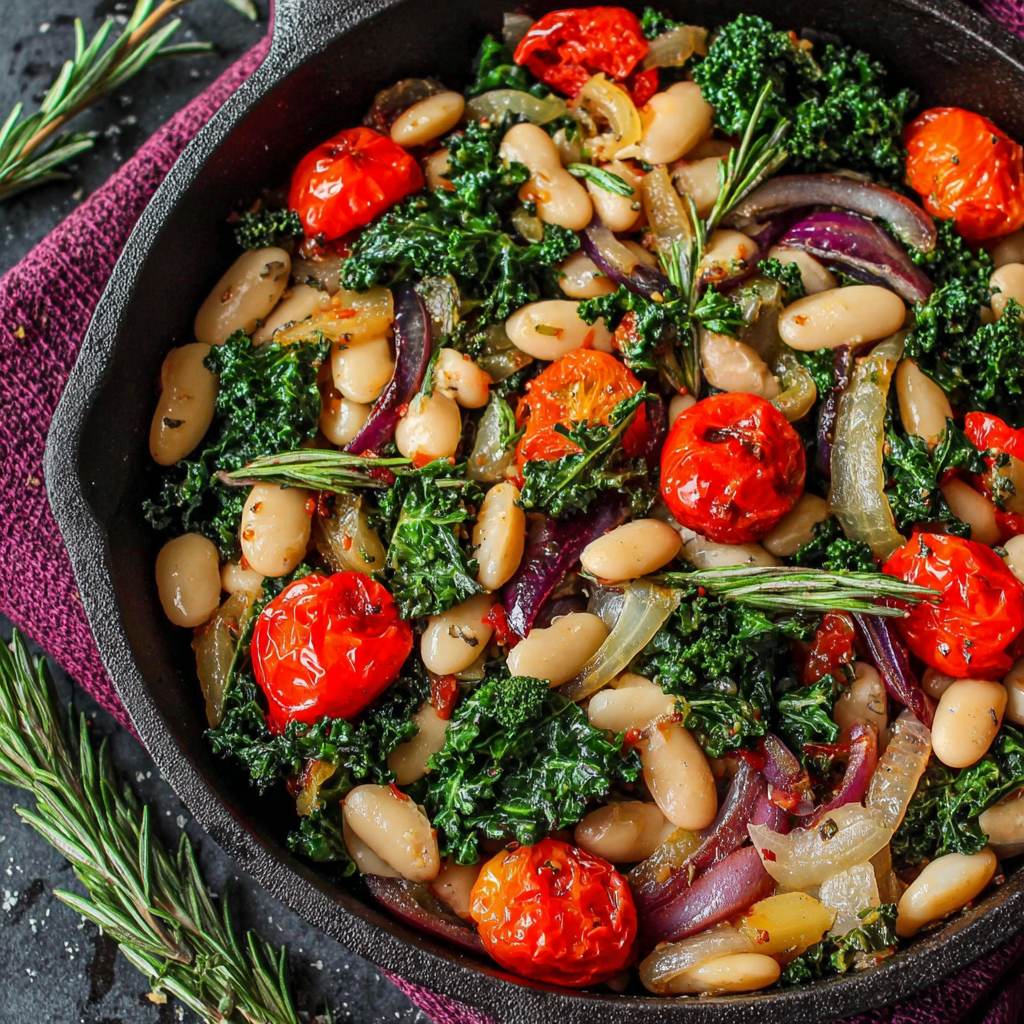
Embracing a plant-based lifestyle is easier and more flavorful than you might think, especially with dishes like a vegetable and white bean skillet. This dish serves as a canvas for fresh vegetables and hearty beans, creating a delightful medley that satisfies both hunger and taste buds.
The combination of sautéed veggies and creamy white beans offers not only a wealth of nutrients but also a comforting and filling option for any meal. Whether you’re looking for a quick weeknight supper or a vibrant dish for entertaining guests, this skillet meal is both versatile and delicious.
Ingredients
- 2 tablespoons olive oil
Olive oil serves as the base fat for frying the vegetables, adding richness and depth of flavor. It's also rich in healthy fats that contribute to the overall nutritional profile of the dish. - 1 medium onion, chopped
Onions provide a sweet and savory foundation to the dish. As they cook, they caramelize and add complexity, serving as an aromatic base for the other ingredients. - 2 cloves garlic, minced
Garlic brings a pungent aroma and a robust flavor that enhances the overall taste of the skillet. It complements the onions and adds depth. - 1 bell pepper, chopped
Bell peppers add a sweetness and a crunchy texture, contributing vibrant color to the skillet. They are also packed with vitamins A and C, enhancing the dish's nutritional value. - 2 medium zucchinis, sliced
Zucchinis are tender and have a mild flavor, allowing them to absorb the spices and other flavors while adding a satisfying bite to the dish. - 1 cup cherry tomatoes, halved
Cherry tomatoes burst with juiciness and tang, adding freshness and acidity that balance the richness of the beans. - 1 can (15 oz) white beans, drained and rinsed
White beans, such as cannellini or navy beans, not only provide protein and fiber but also create a creamy element that ties all the other ingredients together. - 1 teaspoon dried oregano
Dried oregano infuses the dish with a warm, earthy flavor, enhancing the Mediterranean profile of the skillet. It complements the vegetables beautifully. - Salt and pepper to taste
Seasoning is essential in any dish; it elevates the individual flavors of the ingredients, bringing them together harmoniously. - Fresh parsley for garnish
Fresh parsley adds a pop of color and a fresh flavor at the end. It also enhances the dish's appearance, making it more appealing.
Directions & Preparation
Step 1: Heat the olive oil in a large skillet over medium heat.
Starting with a hot skillet helps to sear the vegetables, developing a nice caramelization that enhances flavor. Olive oil should shimmer but not smoke; this indicates it's ready for the onions.
Step 2: Add the chopped onion and cook until transparent, about 5 minutes.
Cooking the onions until they’re soft and translucent releases their natural sugars, creating a sweet base for the dish. Stir periodically to prevent them from browning too quickly.
Step 3: Stir in the minced garlic, cooking for an additional minute.
Garlic cooks quickly and can easily burn, so adding it after the onions allows it to impart flavor without becoming bitter. The delicious aroma that fills the kitchen is a wonderful cue that it’s time for the next step.
Step 4: Add the bell pepper and zucchini, cooking for about 5 minutes until they soften.
Sautéing the bell pepper and zucchini adds layers of texture to the skillet. Their moisture will help cook the other vegetables, while stirring helps them cook evenly.
Step 5: Stir in the cherry tomatoes, white beans, oregano, salt, and pepper.
This step is crucial for allowing the flavors to meld together. The acidity from the tomatoes balances the creaminess of the beans while the oregano brings a fragrant note.
Step 6: Reduce heat and let everything simmer for about 10 minutes.
Simmering allows the flavors to develop further, creating a harmonious blend. It also ensures that the vegetables are tender and infused with the essence of the dish.
Step 7: Taste and adjust seasoning as needed before serving, garnishing with fresh parsley.
This final step is important to personalize the dish according to your preference. Fresh parsley not only adds visual appeal but also elevates the overall flavor profile.

Choosing Seasonal Vegetables
Using seasonal vegetables not only enhances the flavor of your skillet dish but also supports local agriculture. Fresh produce can elevate the meal by providing optimal taste and nutrients. Feel free to experiment with different combinations based on what’s available, making each preparation unique.
Enhancing Flavor with Spices
While the ingredients in this dish are flavorful on their own, experimenting with additional spices can further enrich the overall taste. Consider adding a pinch of red pepper flakes for heat or a dash of smoked paprika for a smoky flavor that complements the sweetness of the vegetables.
Serving Suggestions for Your Skillet
This vegetable and white bean skillet is versatile enough to stand alone or accompany other dishes. Serve it over a bed of fluffy quinoa or alongside crusty bread. Pair with a bright salad for a well-rounded meal, making it suitable for weeknight dinners or special occasions.
FAQs
What can I add to boost protein in the skillet?
Consider adding some diced tofu or cooked quinoa to increase the protein content. This not only enriches the dish nutritionally but also adds texture.
Why is my skillet dish too thick?
If the dish turns out too thick, add a splash of vegetable broth or water to loosen it. Stir well and let it simmer for a few more minutes to blend the flavors.
Can I use canned vegetables instead of fresh?
While fresh vegetables are recommended for the best taste and texture, you can use canned vegetables. Just rinse them well and add them towards the end of cooking to avoid overcooking.
How can I make this dish spicier?
To add heat, incorporate chopped fresh chilies or a sprinkle of cayenne pepper while sautéing the vegetables. Adjust the amount based on your heat preference.
What if I don't have white beans?
You can substitute white beans with chickpeas or black beans for a different flavor profile. Both options will still create a hearty dish.
What types of vegetables work well in this skillet?
Feel free to use vegetables like spinach, kale, or carrots. They not only contribute flavor but also add nutrition and color to your dish.
Conclusion
The vegetable and white bean skillet is not just a meal; it’s an experience of colors, flavors, and wholesome ingredients. Each bite is a celebration of simplicity and health, making it a must-have in any home cook's recipe rotation.
Embrace creativity in your cooking; this dish can be adapted to your taste and preferences. Whether enjoyed on a busy weeknight or at a leisurely weekend gathering, it’s sure to delight.
Recipe Card
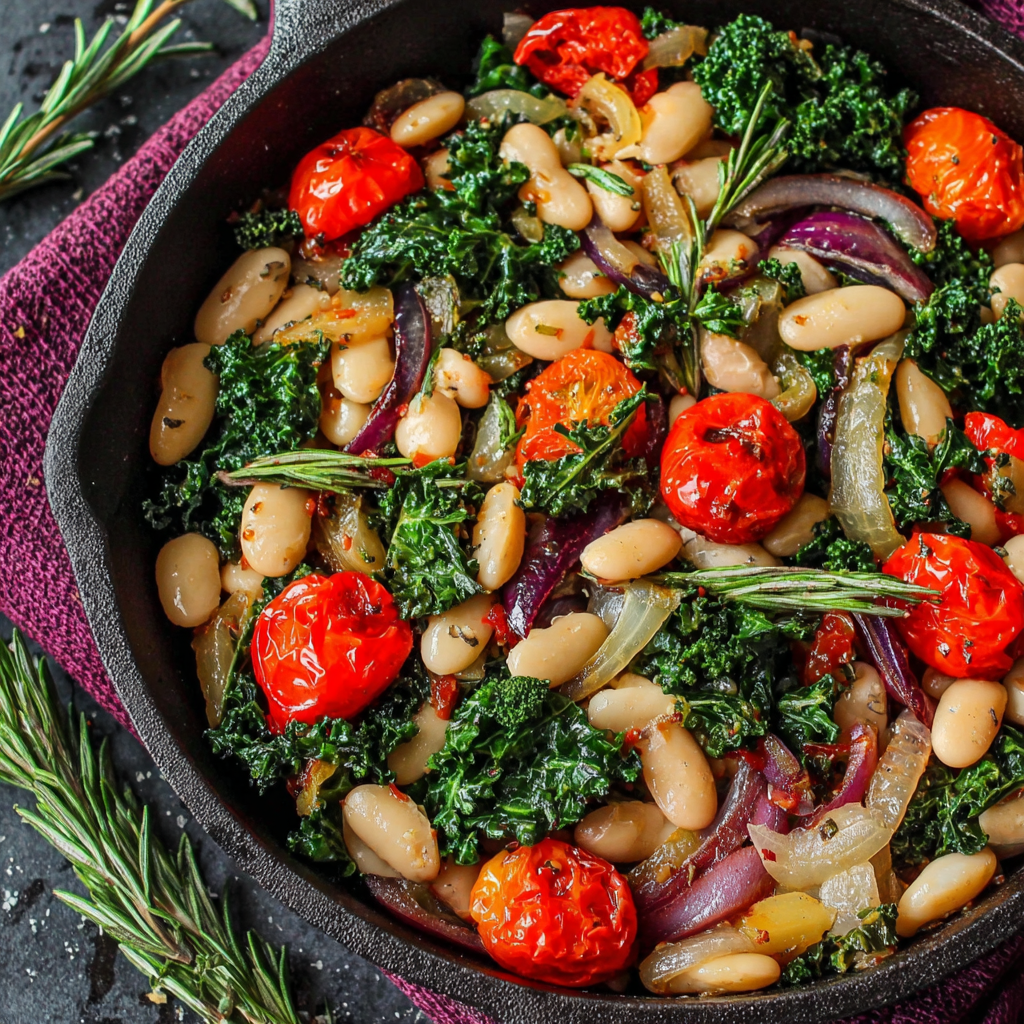
Delightful Vegetable and White Bean Skillet Dish
Ingredients
Method
- Heat the olive oil in a large skillet over medium heat.
- Add the chopped onion and cook until transparent, about 5 minutes.
- Stir in the minced garlic, cooking for an additional minute.
- Add the bell pepper and zucchini, cooking for about 5 minutes until they soften.
- Stir in the cherry tomatoes, white beans, oregano, salt, and pepper.
- Reduce heat and let everything simmer for about 10 minutes.
- Taste and adjust seasoning as needed before serving, garnishing with fresh parsley.
Notes
Additional serving suggestions: pair with a crisp salad, garlic bread, or roasted seasonal vegetables for balance.
For make-ahead, prep components separately and assemble just before heating to preserve texture.
Taste and adjust with acid (lemon/vinegar) and salt right at the end to wake up flavors.