Introduction
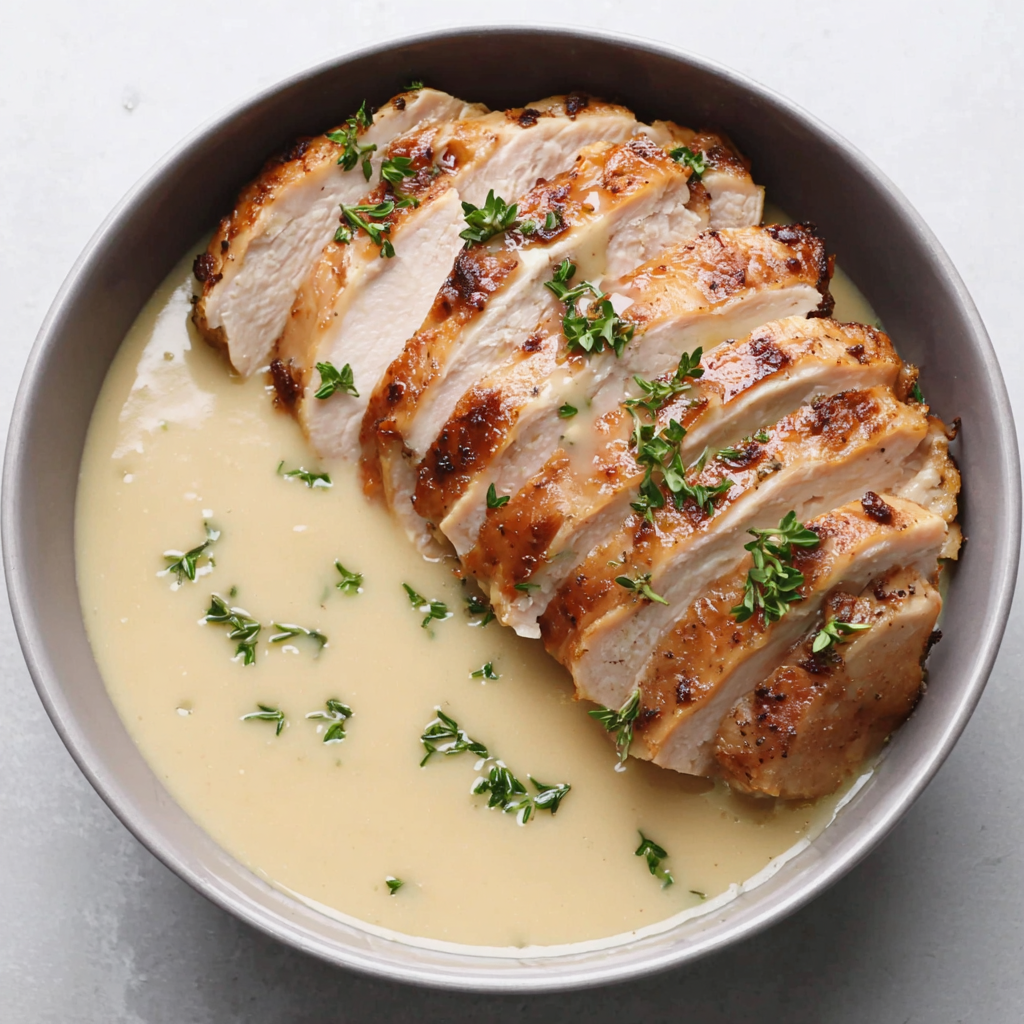
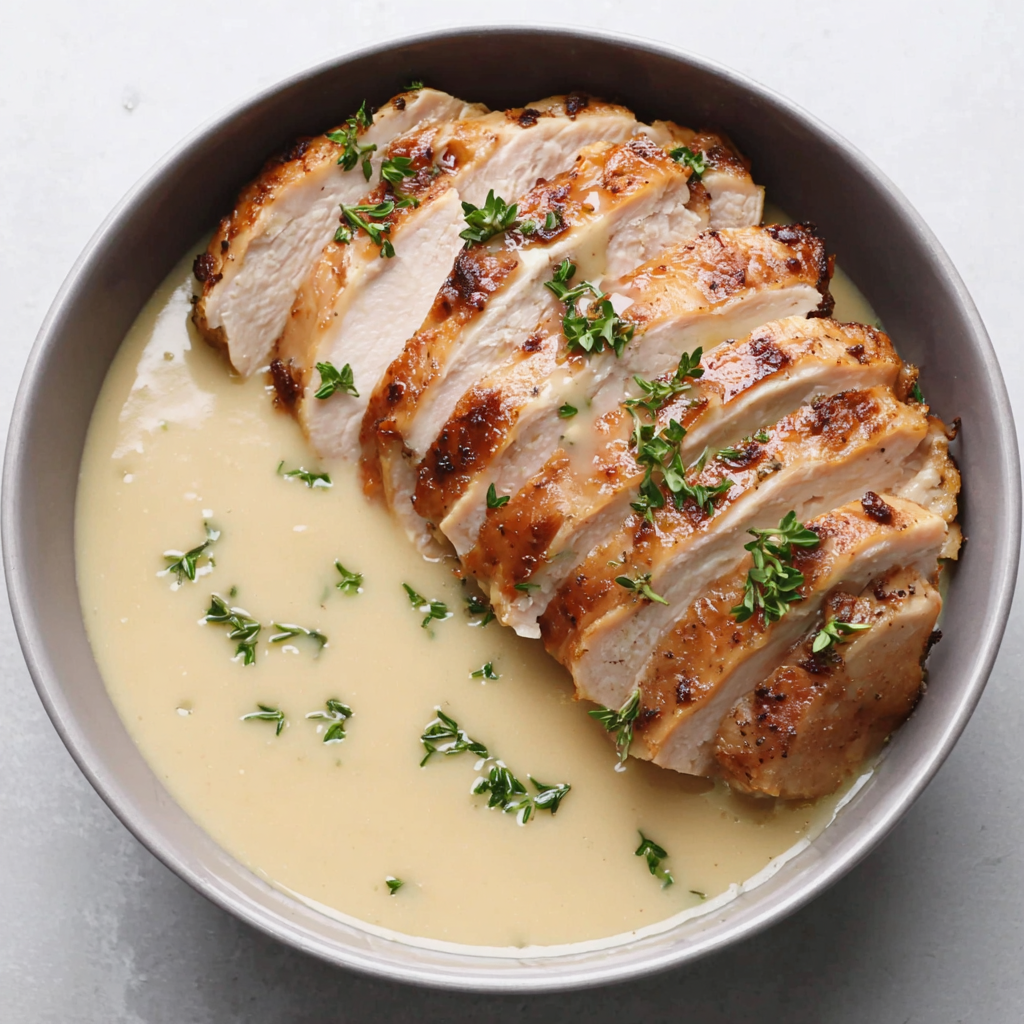
Turkey gravy is the silky, flavorful companion that transforms your Thanksgiving or holiday meal into an extraordinary experience. With its rich flavors and comforting texture, a well-made gravy brings together all the elements of your feast, particularly the turkey and sides like mashed potatoes. Mastering this classic sauce is easier than you think, and it can significantly enhance your meal.
Understanding the basic components of turkey gravy is essential for home cooks who wish to impress their guests. From drippings to flour, each ingredient plays a pivotal role in creating that luscious, flavorful sauce. Whether you insist on using a traditional pan sauce method or prefer a smoother, more refined technique, this recipe lays out everything you need to know to achieve gravy perfection.
Ingredients
- Turkey drippings: 1 cup
Turkey drippings are the liquid gold left in the roasting pan after cooking your turkey. They provide an incredible depth of flavor and richness essential for a classic turkey gravy. - All-purpose flour: 1/4 cup
Flour acts as the thickening agent, which gives the gravy its creamy consistency. By cooking the flour with fat, called a roux, it prevents the gravy from tasting floury and helps it achieve the perfect texture. - Chicken or turkey stock: 2 cups
Adding stock amplifies the flavor profile of your gravy. It ensures that the gravy remains moist and adds a deeper turkey flavor without making it too salty. - Unsalted butter: 2 tablespoons
Butter adds richness and smoothness to the gravy, enhancing the mouthfeel. The fat also helps to create a solid base for the flour, resulting in a luxurious finish. - Salt: to taste
Salt is vital for enhancing flavors in your gravy as it ties all the flavors together. Depending on your drippings and stock, this may require a careful calculation. - Black pepper: to taste
Freshly cracked black pepper provides a subtle heat that balances the richness of the gravy. It’s best to add this towards the end so that its flavor remains vibrant.
Directions & Preparation
Step 1: Collect the turkey drippings from the roasting pan.
Start by allowing the turkey to rest for at least 30 minutes after cooking. This resting period allows the juices to redistribute throughout the meat. Once rested, tilt the roasting pan to one side and carefully pour off the golden drippings into a measuring cup, discarding any solid bits to maintain a smooth gravy.
Step 2: Make a roux by combining drippings and flour over medium heat.
In the same roasting pan or a saucepan, melt the butter over medium heat and sprinkle in the flour. Stir constantly for about 2-3 minutes, until the mixture turns light golden brown. This cooking process eliminates the raw taste of flour and creates a nutty flavor that elevates your gravy.
Step 3: Gradually whisk in the stock to the roux.
Pour in the chicken or turkey stock slowly while whisking continuously to avoid lumps. This process creates a smooth sauce as the flour and stock blend together. Continue to whisk until the mixture begins to thicken, which usually takes 5-7 minutes.
Step 4: Season the gravy with salt and black pepper.
Taste test your gravy before seasoning it. Since drippings can vary in saltiness, adding a little salt and pepper at this stage is crucial. Start with a small amount and adjust gradually to your taste preference, ensuring harmony in flavor without making it overly salty.
Step 5: Simmer the gravy for an additional 5-10 minutes.
Allow the gravy to simmer gently to meld the flavors together. This step also thickens the gravy further, so keep an eye on it and stir occasionally to prevent sticking. If it becomes too thick, you can whisk in additional stock or water to achieve your desired consistency.
Step 6: Strain the gravy, if desired, before serving.
For an extra smooth gravy, strain it through a fine-mesh sieve into a serving dish. This eliminates any leftover particles, ensuring that your sauce is velvety and refined. Use a spoon to press down on any solids to extract every drop of flavor.

Enhancing Depth with Aromatics
Adding aromatic vegetables like onions, garlic, or herbs to your drippings can enhance complexity in the gravy. After removing the turkey, sauté these aromatics in the same pan to incorporate those beautiful browned bits before adding flour. This technique enriches the flavor base significantly, offering a truly savory profile.
Using Wine for a Unique Twist
Incorporating a splash of white wine or sherry after the flour has cooked can add a unique layer of flavor to your turkey gravy. Allow the wine to reduce slightly before whisking in the stock, as this helps create a more sophisticated sauce that pairs beautifully with turkey and all the fixings.
Adjusting for Personal Taste
Every cook has their own preferences when it comes to seasoning. Taste your gravy as it cooks to calibrate the flavors according to your liking. If you prefer a spicier kick, consider adding cayenne pepper or some chopped roasted jalapeños for a savory surprise in each bite.
FAQs
What should I do if my gravy is too thick?
If your gravy is thicker than you'd like, simply whisk in additional stock or water a tablespoon at a time until you reach your desired consistency.
What can I do if my gravy is too bland?
To enhance the flavor, try adding a splash of vinegar or a dash of soy sauce. Adjust seasonings like salt and pepper to balance it out after tasting.
What if my gravy is too thin?
You can thicken thin gravy by creating a slurry of equal parts flour and cold water, whisking it in slowly until the desired thickness is achieved.
Can I use drippings from a different meat?
Absolutely! If you have drippings from chicken or beef, they can be used as a base. Just adjust the seasonings to match the flavor profile of your meat.
Is it possible to flavor my gravy with herbs?
Yes! Late in the cooking process, you can add fresh herbs like thyme or rosemary for an aromatic lift. Just be sure to strain them out before serving for a smooth texture.
Can I use cornstarch instead of flour for thickening?
Yes, cornstarch can be used as a gluten-free alternative. Mix it with cold water to create a slurry and add it to your gravy gradually until thickened.
Conclusion
Creating a rich, flavorful turkey gravy is an essential skill for any home cook, especially during festive gatherings. By mastering the techniques of extracting drippings, making a roux, and balancing flavors, you will transform a simple sauce into a signature element of your meal.
As you prepare for your next holiday feast, remember that the heart of a great meal lies in the details. By following this recipe, you’ll not only impress your guests but also create comforting memories that center around shared meals and gratitude.
Recipe Card
Elevate Your Feast with Rich Turkey Gravy
Ingredients
Method
- Collect the turkey drippings from the roasting pan.
- Make a roux by combining drippings and flour over medium heat.
- Gradually whisk in the stock to the roux.
- Season the gravy with salt and black pepper.
- Simmer the gravy for an additional 5-10 minutes.
- Strain the gravy, if desired, before serving.
Notes
Additional serving suggestions: pair with a crisp salad, garlic bread, or roasted seasonal vegetables for balance.
For make-ahead, prep components separately and assemble just before heating to preserve texture.
Taste and adjust with acid (lemon/vinegar) and salt right at the end to wake up flavors.