Introduction
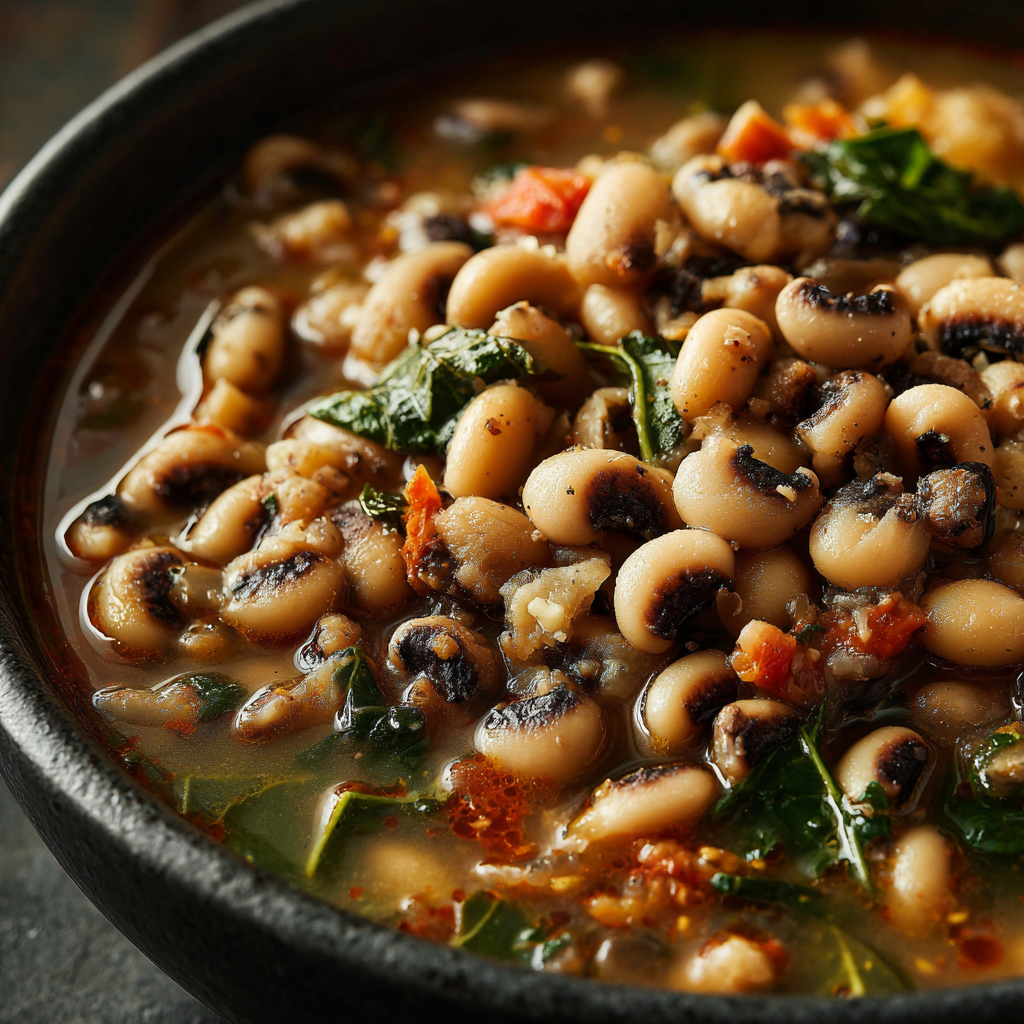
Black eyed peas, often associated with Southern cuisine, are more than just a delicious legume; they represent tradition, health, and culinary versatility. With their unique flavor and texture, they can be the star of many dishes, particularly comforting stews and hearty salads.
Known for their striking appearance and nutritional benefits, black eyed peas are rich in protein, fiber, and essential vitamins. Cooking with them brings warmth to any meal, making them a perfect choice for family gatherings or cozy dinners.
Ingredients
- 1 cup dried black eyed peas
Dried black eyed peas serve as the base of this dish. They need to be soaked to soften and cook evenly, which results in a creamy texture. - 4 cups vegetable broth
Vegetable broth adds depth of flavor to the dish. Using stock instead of water elevates the overall taste, making the black eyed peas even more delightful. - 1 medium onion, chopped
Onion contributes a savory base flavor. As it cooks, it caramelizes slightly, infusing the dish with sweetness and enhancing the overall flavor profile. - 2 cloves garlic, minced
Garlic brings a pungent and aromatic quality, elevating the overall dish with its distinctive taste. It pairs perfectly with the mild black eyed peas. - 1 bell pepper, diced
Bell pepper adds a refreshing crunch and a bit of sweetness. It also introduces vibrant color, making the dish more visually appealing. - 2 teaspoons smoked paprika
Smoked paprika lends a subtle smokiness, enhancing the richness of the dish. It also adds complexity to the flavor without overpowering the other ingredients. - 1 teaspoon cumin
Cumin introduces warm, earthy notes that work wonderfully with black eyed peas. It adds a layer of depth, making the dish more satisfying. - Salt and pepper to taste
Seasoning is crucial for balancing flavors. Salt enhances the natural sweetness while pepper adds a slight kick, making every bite flavorful. - 2 tablespoons olive oil
Olive oil is essential for sautéing, as it helps to meld flavors. It also contributes a rich mouthfeel, making the dish taste more luxurious.
Directions & Preparation
Step 1: Rinse and soak the black eyed peas for at least 4 hours or overnight.
Soaking the peas helps to reduce cooking time and improves their digestibility. It also prevents the peas from becoming mushy during cooking. Ensure they are rinsed well to remove any dirt or debris before soaking.
Step 2: In a large pot, heat the olive oil over medium heat.
Heating the oil prepares it for sautéing the vegetables. It’s essential to reach the right temperature to ensure the onion and bell pepper sauté nicely, retaining their textures while infusing the oil with flavor.
Step 3: Add the chopped onion and bell pepper to the pot and sauté until soft, about 5 minutes.
Sautéing the onion and bell pepper brings out their natural sweetness and builds a flavorful base for the dish. Stir occasionally to prevent sticking and promote even cooking.
Step 4: Stir in minced garlic and cook until fragrant, about 1 minute.
Garlic cooks quickly, and its aroma is a sign that it’s ready. Cooking it just long enough prevents it from burning, which can lead to bitterness, while allowing its intense flavor to bloom.
Step 5: Add smoked paprika, cumin, and season with salt and pepper. Stir to combine.
This step allows the spices to toast slightly, releasing their essential oils and intensifying their flavors. Proper seasoning at this stage sets the foundation for the dish and balances the myriad ingredients.
Step 6: Add the soaked black eyed peas and vegetable broth to the pot. Bring to a boil.
Combining the peas with broth ensures they absorb flavor right from the start. Boiling activates the cooking process; once simmering, the peas can cook evenly and develop a pleasing texture.
Step 7: Reduce heat and simmer covered for about 30-40 minutes until peas are tender.
Simmering allows the flavors to meld and the peas to soften without losing their shape. Keep an eye on the liquid level, adding more broth if the mixture gets too thick.
Step 8: Taste and adjust seasoning as necessary before serving.
Final seasoning adjustments are crucial after cooking, as ingredients have melded together. This ensures that every bite is balanced and full of flavor, adjusting the salt and pepper to suit your preference.
Step 9: Serve hot, garnished with fresh herbs if desired.
Garnishing with fresh herbs adds a pop of color and fresh flavor that lightens the dish. The contrast between the warm stew and cool herbs makes for an inviting presentation.

Flavor Profiles That Complement Black Eyed Peas
Black eyed peas are versatile and can be paired with various spices and herbs for different flavor profiles. Consider using thyme or bay leaves for a more traditional approach, or try bright flavors like lemon zest or cilantro for a refreshing twist. Each combination can create a unique dish, celebrating the adaptability of this humble ingredient.
Nutritional Benefits of Black Eyed Peas
In addition to being delicious, black eyed peas are packed with nutrients. They are high in protein and fiber, making them a great choice for vegetarians and those looking to add heart-healthy options to their diet. Their rich vitamin content supports overall health, while their low calorie count makes them an appealing ingredient for weight management.
Cultural Significance and Traditions
Black eyed peas carry a rich cultural history, particularly in Southern United States cooking. Traditionally served on New Year’s Day, they are believed to bring prosperity and good luck for the year ahead. Cooking and sharing black eyed peas can forge connections, telling stories of culinary heritage while continuing essential traditions.
FAQs
What can I add to enhance the dish further?
Consider adding diced tomatoes, greens like kale or collards, or even spices like cayenne for heat, which can vary the texture and depth of flavor.
How can I make it spicier?
To increase heat, add chopped jalapeños or cayenne pepper during the sautéing process. Adjust gradually to achieve your preferred spice level.
What should I do if the stew is too thick?
If the stew becomes too thick, add more vegetable broth or water gradually, stirring until you reach your desired consistency. Avoid adding too much at once to maintain flavor.
What if the stew turns out bland?
If you find the stew bland, try incorporating more salt, spices, or fresh herbs. A splash of vinegar or hot sauce can also elevate the overall flavor.
Can I use canned black eyed peas for this recipe?
Yes, if using canned black eyed peas, reduce cooking time. Rinse and drain them, then add during the last 10 minutes of cooking to warm through without overcooking.
How can I incorporate greens into this recipe?
Add chopped greens like spinach or kale towards the end of cooking, allowing them to wilt but not lose their vibrant color and nutrients. They add flavor and enhance nutrition.
Conclusion
Black eyed peas are a treasure trove of flavor and nutrients, making them a staple ingredient worthy of any home cook's repertoire. With their delightful taste and myriad health benefits, they invite creativity in the kitchen.
Whether enjoyed in a traditional dish on New Year’s Day or as part of a comforting stew any day of the year, black eyed peas remind us of the joy of good food and shared experiences around the table.
Recipe Card
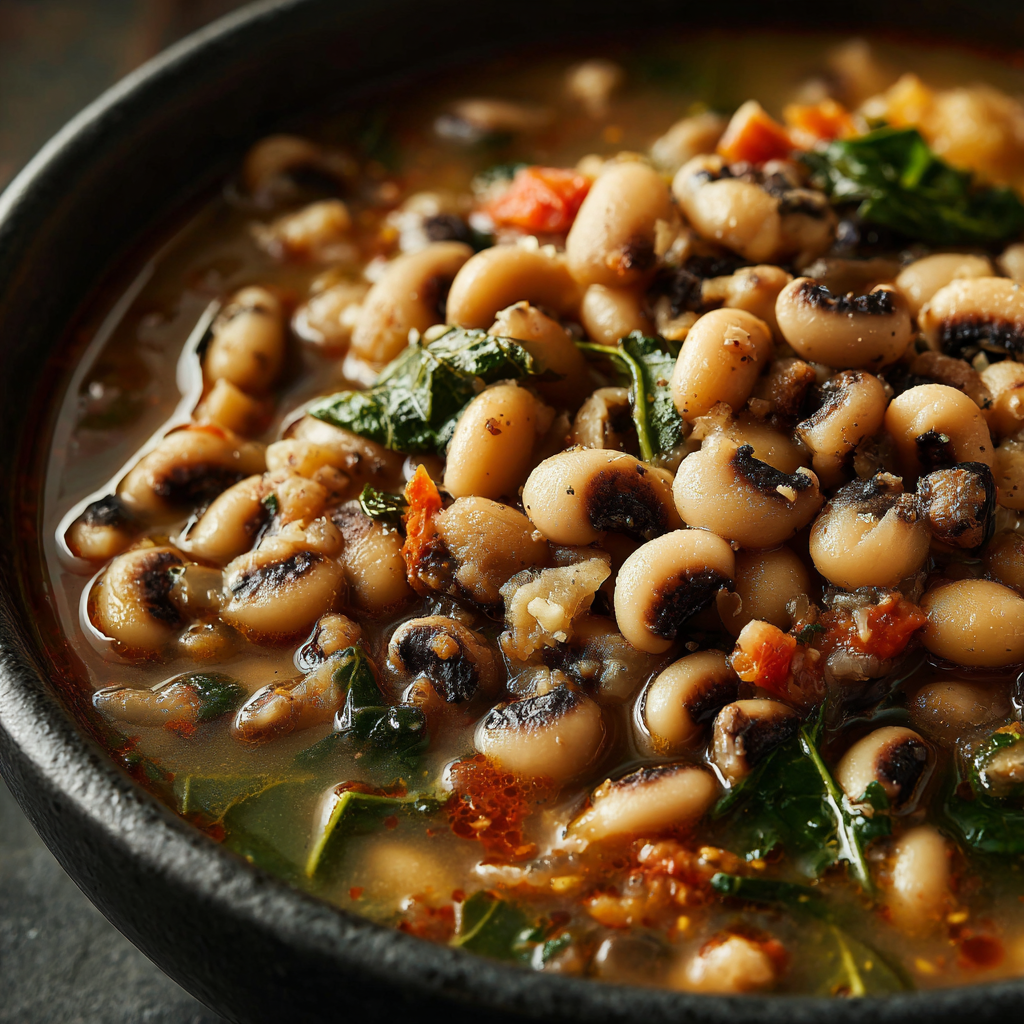
Heartfelt Comfort in Every Bite of Black Eyed Peas
Ingredients
Method
- Rinse and soak the black eyed peas for at least 4 hours or overnight.
- In a large pot, heat the olive oil over medium heat.
- Add the chopped onion and bell pepper to the pot and sauté until soft, about 5 minutes.
- Stir in minced garlic and cook until fragrant, about 1 minute.
- Add smoked paprika, cumin, and season with salt and pepper. Stir to combine.
- Add the soaked black eyed peas and vegetable broth to the pot. Bring to a boil.
- Reduce heat and simmer covered for about 30-40 minutes until peas are tender.
- Taste and adjust seasoning as necessary before serving.
- Serve hot, garnished with fresh herbs if desired.
Notes
Additional serving suggestions: pair with a crisp salad, garlic bread, or roasted seasonal vegetables for balance.
For make-ahead, prep components separately and assemble just before heating to preserve texture.
Taste and adjust with acid (lemon/vinegar) and salt right at the end to wake up flavors.