Introduction
Cheeseballs and cheesecakes each bring a unique charm to culinary gatherings, bridging savory and sweet. Both can be easily tailored to suit various tastes and occasions, making them versatile staples in home cooking.
Creating cheeseballs introduces a playful element to appetizers, while cheesecakes offer a delightful way to end a meal. The contrast between the rich, creamy textures and the burst of flavors in each bite can transform any gathering into a memorable experience.
Ingredients
- 16 oz cream cheese, softened
Cream cheese is the foundational element for both cheeseballs and cheesecake, providing a rich, creamy texture that holds everything together. Its mild flavor acts as a blank canvas, allowing other ingredients to shine. - 1 cup shredded cheddar cheese
Cheddar cheese adds a sharpness and depth of flavor to cheeseballs, balancing the creaminess of the cream cheese with its distinct taste. Shredded form also helps with the mixing process. - 1/2 cup chopped herbs (like chives or dill)
Fresh herbs bring brightness and a fresh aroma to cheeseballs, cutting through the richness. They also add visual appeal, enhancing the overall presentation. - 1 cup crushed crackers (like Ritz or graham crackers)
Crushed crackers serve as both a binder in cheeseballs and a crunchy topping that adds texture and flavor contrast. They create a satisfying crunch that complements the creamy filling. - 1/2 cup powdered sugar
Powdered sugar is vital for cheesecakes, providing sweetness while ensuring a smooth texture. It dissolves easily into the cream cheese, preventing a gritty mouthfeel. - 1 tsp vanilla extract
Vanilla extract enhances the flavor profile of cheesecakes, adding warmth and richness. It elevates the overall dessert experience, making it familiar and comforting. - 2 large eggs, beaten
Eggs are essential in setting the structure of the cheesecake, providing stability as it bakes. They also impart moisture, yielding a luscious texture when perfectly cooked. - 1 tbsp lemon juice
Lemon juice adds a bright acidity that balances the richness of the cheesecake, enhancing its flavor and providing a refreshing finish.
Directions & Preparation
Step 1: Prepare the cheeseball mix
In a large bowl, combine the softened cream cheese, shredded cheddar, and chopped herbs. Using a hand mixer or a spatula, mix until all ingredients are fully incorporated. This step is crucial as achieving a uniform blend ensures that every bite of the cheeseball offers a consistent flavor and creamy texture.
Step 2: Form the cheeseballs
Scoop the mixture and shape it into balls using your hands. Aim for a size similar to a golf ball for easy serving. This step is important because the shape affects presentation and helps to create uniform portions, ensuring your guests can enjoy them easily.
Step 3: Coat with crushed crackers
Roll each cheeseball in the crushed crackers to create a crunchy exterior. This adds texture and visual appeal, important for enticing your guests. The topping contrast enhances the overall experience, bringing together different flavors and textures.
Step 4: Refrigerate
Place the coated cheeseballs on a plate and chill them in the refrigerator for at least 1 hour. This not only solidifies their shape but also allows the flavors to meld together, making each bite more enjoyable and delicious.
Step 5: Preheat the oven for the cheesecake
Set your oven to preheat at 325°F (163°C). Preheating ensures that the cheesecake bakes evenly, preventing cracks and ensuring a smooth surface. It's critical for proper baking; without preheating, the cheesecake may not set correctly.
Step 6: Make the cheesecake batter
In a large mixing bowl, beat together the softened cream cheese, powdered sugar, vanilla, eggs, and lemon juice until smooth. This mixture's consistency is vital; overbeating can incorporate too much air, leading to cracks during baking.
Step 7: Pour into the baking dish
Transfer the cheesecake batter into a prepared springform pan, making sure to smooth the top. Proper pouring minimizes air bubbles and enhances appearance. A smooth surface will also look attractive once cooled and set.
Step 8: Bake the cheesecake
Place the cheesecake in the preheated oven and bake for about 40–50 minutes. The edges should set while the center remains slightly jiggly. This gradual baking is critical for avoiding cracks and achieving the desired creamy texture.
Step 9: Cool before serving
Once baked, turn off the oven, crack the door open, and allow the cheesecake to cool gradually inside for about an hour. Rapid temperature changes may cause cracking; a slow cooling period keeps the structure intact and flavors well-balanced.
Step 10: Serve cheeseballs and cheesecake
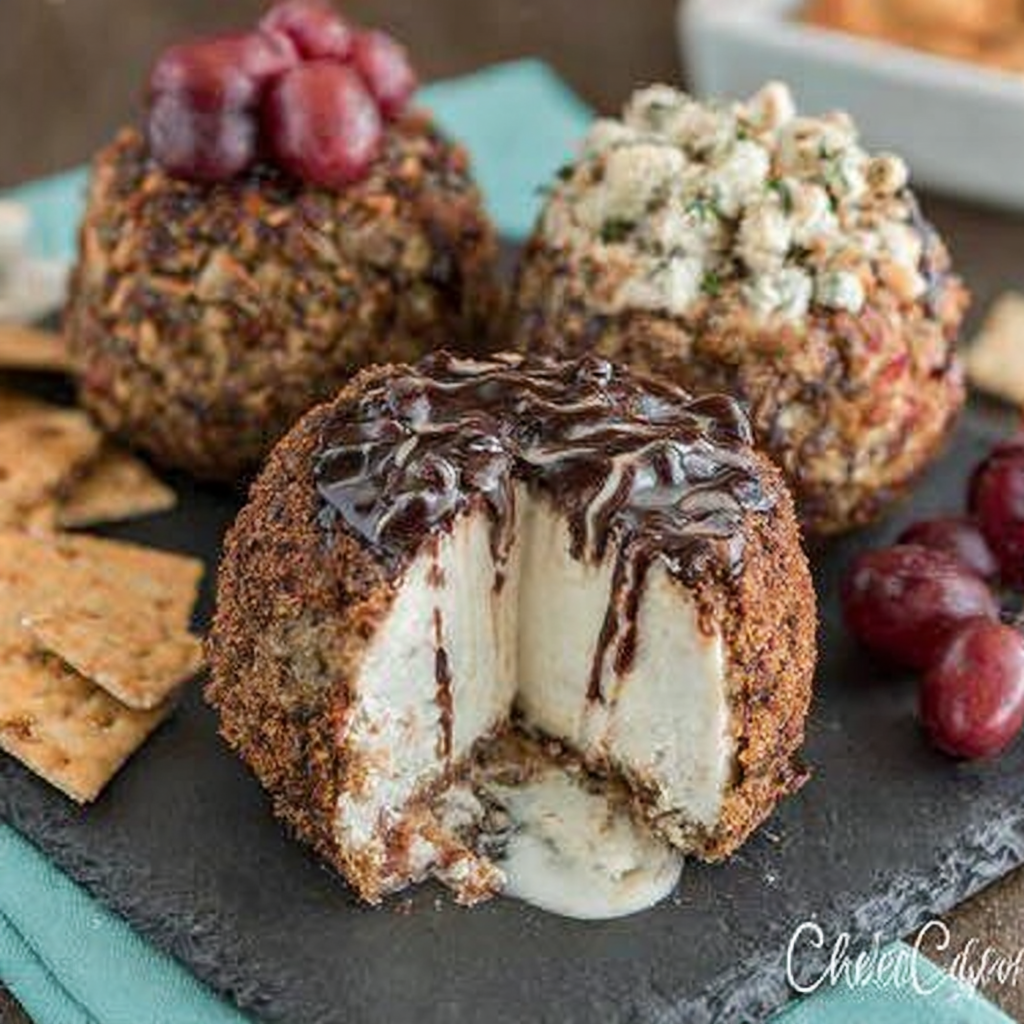
After chilling, arrange the cheeseballs on a platter and garnish with extra herbs if desired. Slice the cheesecake after chilling overnight for easy serving. Presenting both dishes together creates a delightful spread that will impress your guests.

Creative Flavor Variations for Cheeseballs
Expanding on the classic cheeseball flavor, try incorporating a variety of ingredients. Add crumbled blue cheese for a tangy kick, or mix in bacon bits for a smoky flavor. Additionally, spices like paprika or cayenne can introduce a mild heat, offering your guests a multifaceted tasting experience.
The Art of Perfect Cheesecake Texture
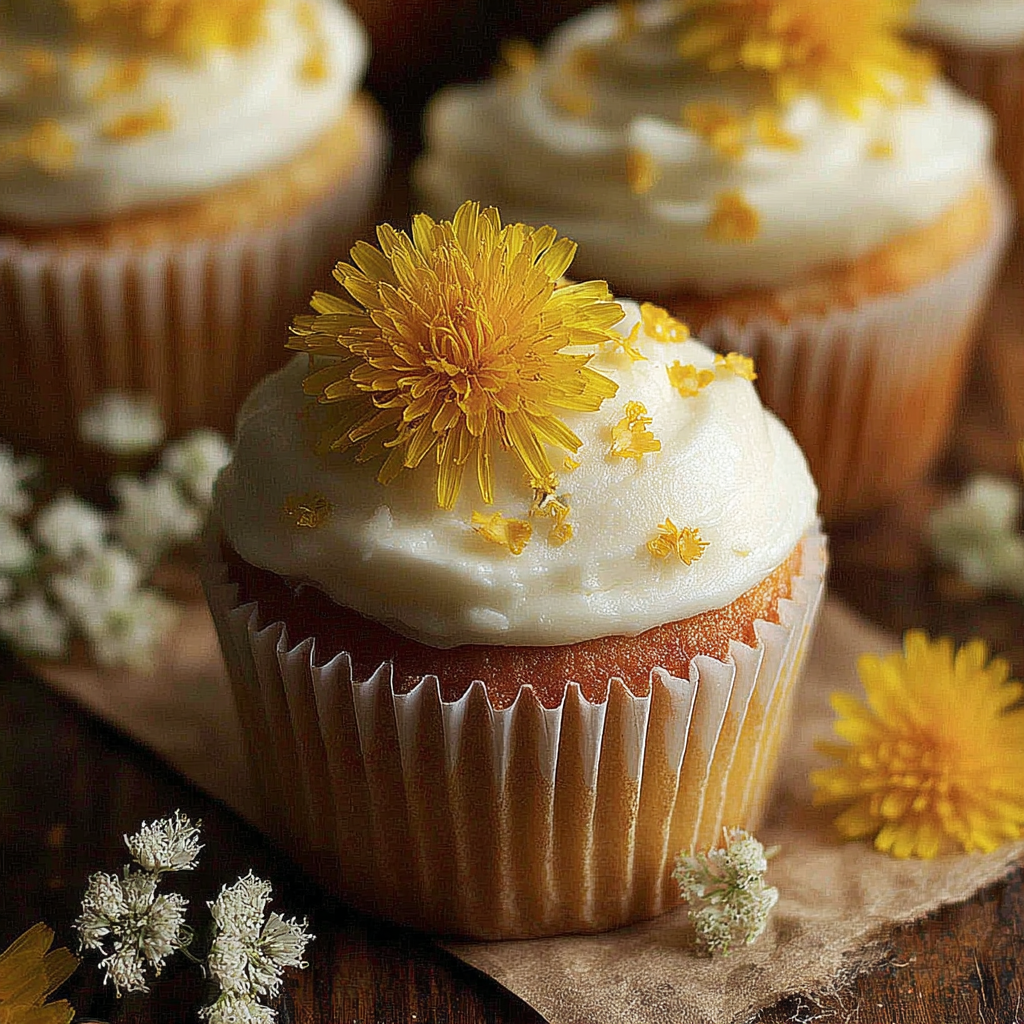
Achieving the silky texture of a cheesecake requires attention to detail. Ensure your cream cheese is completely softened for smooth blending, as cold lumps can lead to a lumpy batter. Baking in a water bath can also help maintain moisture, preventing cracks and ensuring an evenly baked cheesecake that rivals your favorite bakery.
Serving Suggestions to Elevate Your Spread
Complement your cheeseballs and cheesecake with various serving ideas. Pair cheeseballs with an assortment of crackers, vegetable sticks, or breadsticks for dipping. For the cheesecake, consider serving with fresh berries, a drizzle of chocolate or caramel sauce, or a dollop of whipped cream for elevated dessert experiences.
FAQs
What should I do if my cheeseballs are too soft?
If your cheeseballs are too soft, try adding more crushed crackers or even a bit of grated cheese to firm them up. Refrigerate them longer to help them hold their shape.
Why is my cheesecake cracking?
Cracking occurs typically due to rapid temperature changes or overbeating the batter. Ensure you cool it slowly and mix gently to prevent incorporating too much air.
Can I make the cheeseballs spicy?
Yes, adding spices like cayenne pepper or chopped jalapeños can create a delightful kick in your cheeseballs, enhancing their flavor profile.
What's a good alternative to the cream cheese?
If you're looking for a lighter alternative, consider using Greek yogurt or a vegan cream cheese option for a different flavor and texture.
How can I make my cheesecake more flavorful?
Incorporate additional flavors like almond extract or citrus zest to give your cheesecake a unique twist. Adjust the sugar level according to your additional ingredients.
What if my cheesecake is too thin?
If your cheesecake turns out too thin, it may need more time in the oven to firm up or could benefit from a thicker batter next time. Ensure all ingredients, like eggs, are properly incorporated.
Conclusion
Creating cheeseballs and cheesecakes at home allows for endless creativity and personalization. By experimenting with ingredients and flavors, you can cater to any palate and occasion.
Whether serving them as appetizers or alongside a festive meal, these recipes promise to delight your family and friends, adding a special touch to your gatherings.
Recipe Card

Irresistible Cheeseballs and Creamy Cheesecake Creations
Ingredients
Method
- Prepare the cheeseball mix
- Form the cheeseballs
- Coat with crushed crackers
- Refrigerate
- Preheat the oven for the cheesecake
- Make the cheesecake batter
- Pour into the baking dish
- Bake the cheesecake
- Cool before serving
- Serve cheeseballs and cheesecake
Notes
Additional serving suggestions: pair with a crisp salad, garlic bread, or roasted seasonal vegetables for balance.
For make-ahead, prep components separately and assemble just before heating to preserve texture.
Taste and adjust with acid (lemon/vinegar) and salt right at the end to wake up flavors.