Introduction
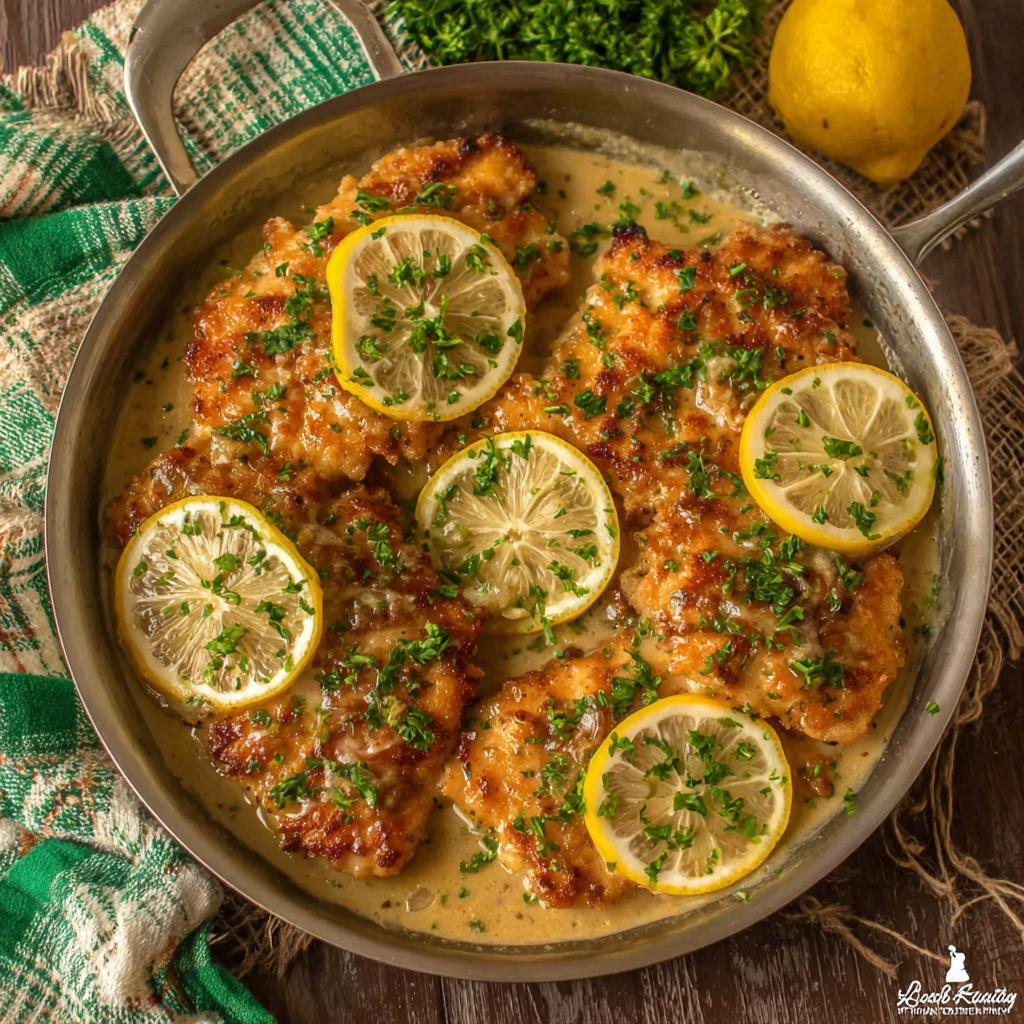
Lemon Chicken Francese is a delightful dish that beautifully combines the brightness of citrus with the comforting flavors of chicken. This Italian-American classic elevates simple ingredients into a restaurant-quality meal, perfect for any occasion.
The key to a successful Lemon Chicken Francese lies in the balance of flavors and textures. The tender chicken, enriched by a tangy lemon sauce, invites you to indulge in a succulent dining experience. As you prepare this dish, you'll discover how effortlessly it can transform a casual meal into a special gathering.
Ingredients
- 4 boneless, skinless chicken breasts
Chicken breasts are the star of this dish, providing a lean protein that absorbs the lemon and butter flavors beautifully. Their mild taste allows the citrus notes to shine. - 1 cup all-purpose flour
Flour is essential for coating the chicken, creating a crispy exterior once cooked. This step adds texture and helps to thicken the sauce as it simmers. - 3 large eggs, beaten
The beaten eggs serve as a binding agent for the flour, ensuring the coating adheres well to the chicken. They contribute to a rich, moist interior beneath the crispy shell. - 1/2 cup chicken broth
Chicken broth adds depth and complexity to the sauce, enhancing the overall savory flavor profile. It also ensures the dish remains juicy. - 1/2 cup freshly squeezed lemon juice
Lemon juice provides the characteristic tang and brightness of this dish, cutting through the richness of the butter and chicken for a balanced taste. - 1/4 cup unsalted butter
Butter adds richness to the sauce and gives it a luxurious texture, melding beautifully with the lemon juice for a luscious finish. - 2 tablespoons olive oil
Olive oil is used for frying, adding flavor and aiding in the browning of the chicken. It's a healthier fat choice that complements the overall dish. - Salt and pepper, to taste
Basic seasonings like salt and pepper are crucial to amplify the flavors of the dish. They ensure each component shines individually while harmonizing collectively. - Fresh parsley, chopped (for garnish)
Chopped parsley adds a fresh touch and vibrant color to the final presentation. It enhances the visual appeal and offers a hint of herbal flavor.
Directions & Preparation
Step 1: Prepare the chicken breasts for coating
Begin by placing the chicken breasts between two pieces of plastic wrap and gently pound them to an even thickness of about 1/2 inch. This step is crucial because it ensures the chicken cooks evenly and remains juicy. Uneven chicken pieces could result in some being overcooked while others are undercooked.
Step 2: Set up your breading station
In one shallow dish, pour the flour, and in another, place the beaten eggs. Season the flour with salt and pepper. This setup allows you to easily coat the chicken without making a mess. A well-organized station keeps the process smooth and efficient.
Step 3: Dredge the chicken
Take each chicken breast, first coating it in flour, shaking off any excess, then dipping it in the beaten eggs. The layering of flour followed by egg is essential for achieving a crisp crust. Ensure each piece is well coated to avoid uneven frying.
Step 4: Heat the oil and butter for frying
In a large skillet, heat the olive oil and half of the butter over medium heat. The oil helps raise the smoke point of the butter, preventing it from burning. If the butter is sizzling gently, you’re ready to fry the chicken.
Step 5: Cook the chicken breasts
Carefully add the coated chicken breasts to the skillet without overcrowding. Cook them for about 4-5 minutes on each side until they're golden brown and cooked through. This step is key; browning adds flavor through the Maillard reaction, creating that delicious crust.
Step 6: Prepare the sauce
Once the chicken is cooked, remove it from the skillet and add the chicken broth, lemon juice, and remaining butter to the pan. Scrape up any browned bits stuck to the bottom, as they contain tremendous flavor. Simmer the sauce to thicken slightly—this only takes a few minutes.
Step 7: Return the chicken to the skillet
Once the sauce has thickened, add the chicken back to the skillet and cook for an additional minute, allowing it to absorb some of the sauce's zesty flavors. This helps ensure every bite is succulent and enriched with the delicious lemon-infused sauce.
Step 8: Garnish and serve
Transfer the chicken to a serving platter, spooning the sauce over the top and garnishing with freshly chopped parsley. Presentation is important; this dish should look as good as it tastes. A sprinkle of parsley adds color and freshness, making it visually appealing.

Discover the Flavor Foundations
The soul of Lemon Chicken Francese resides in its simple yet flavorful ingredients. Each component plays a vital role, from the bright notes of lemon juice to the rich depth of chicken broth. Together, they create a dish that balances tanginess and savoriness, elevating everyday chicken into something extraordinary. Understanding these flavors allows home cooks to appreciate each ingredient's unique contribution to the final dish.
Mastering the Art of Frying
Frying the chicken to golden perfection is critical in this recipe. Ensuring the oil is at the right temperature is essential; too low, and the chicken will become greasy; too high, and it may burn. Using a thermometer can help maintain an even heat. Remember, patience is key—allow each piece to develop its crust without overcrowding the skillet. This technique enhances texture while locking in juices.
The Versatility of Lemon Chicken Francese
While Lemon Chicken Francese is delightful on its own, it pairs beautifully with various sides. Consider serving it over a bed of creamy risotto, sautéed spinach, or even a fresh arugula salad. Its tangy sauce complements starchy dishes and greens alike, making it a fantastic centerpiece for a dinner party or a satisfying weeknight meal.
FAQs
Why did my sauce turn out too thick?
If your sauce is too thick, you can stir in a bit more chicken broth or water to reach your desired consistency. This is a common issue if the sauce simmers for too long.
What should I do if my chicken is bland?
If the chicken lacks flavor, make sure to season the flour mixture generously with salt and pepper before breading. You might also consider marinating the chicken in lemon juice and seasoning before cooking.
Can I use different cuts of chicken for this dish?
Yes, while boneless, skinless chicken breasts are traditional, you can use chicken thighs or even bone-in pieces. Adjust cooking times as necessary based on the cut.
What can I do if I overcooked the chicken?
If the chicken turns out dry, consider slicing it and tossing it in the sauce before serving. This helps to moisten the chicken and incorporates it with the flavorful sauce.
How can I enhance the lemon flavor in the dish?
To enhance the lemon flavor, you can add more lemon juice or even some lemon zest to the sauce. This intensifies the citrus notes, giving the dish a brighter profile.
Is it possible to use bottled lemon juice?
While fresh lemon juice provides the best flavor, bottled lemon juice will work in a pinch. Just be mindful that it may contain preservatives that can change the flavor slightly.
Conclusion
Lemon Chicken Francese is a testament to how simple ingredients, when combined with care and technique, can create something truly memorable. This dish not only delights the palate but also brings a lively touch to your dining table.
As you bring this recipe to life in your own kitchen, let the flavors inspire creativity. Enjoy sharing it with family and friends, creating lasting memories around the dinner table.
Recipe Card
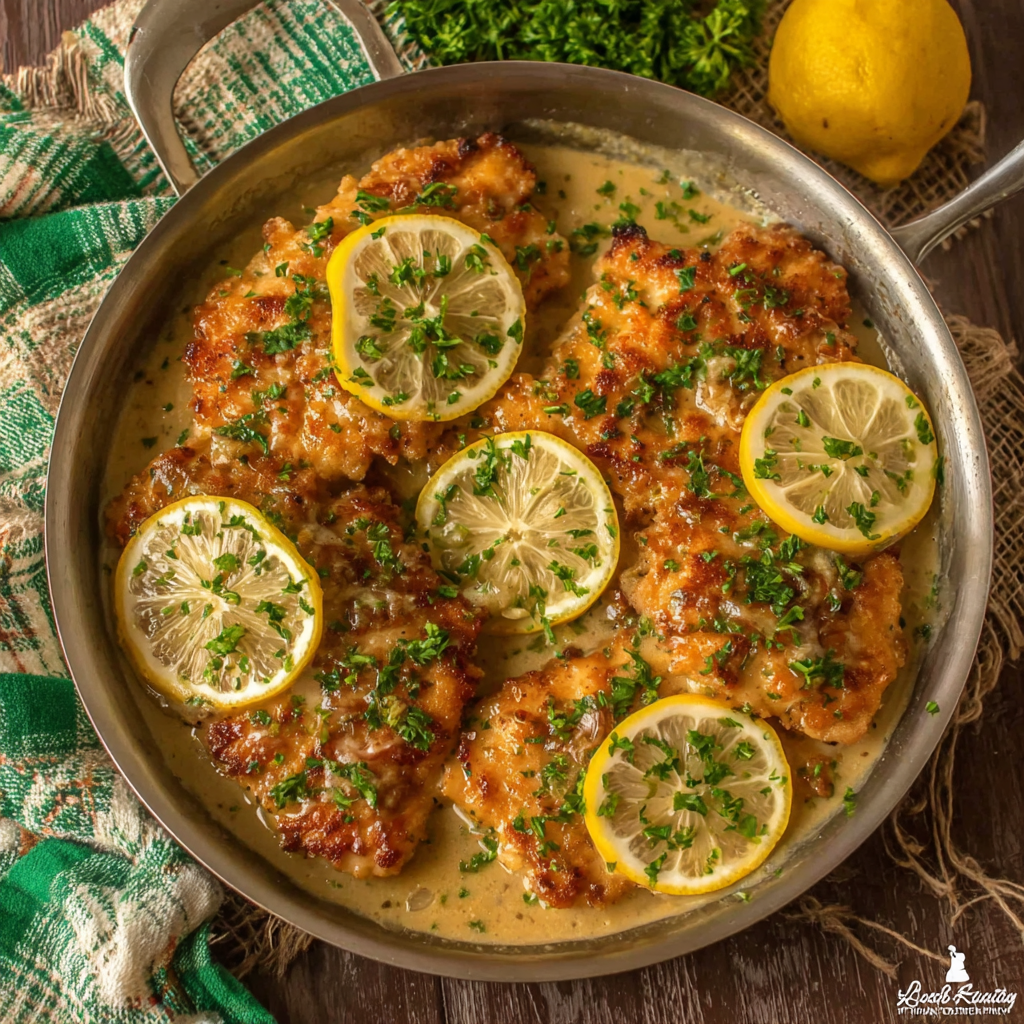
Lemon Chicken Francese to Brighten Your Table
Ingredients
Method
- Prepare the chicken breasts for coating
- Set up your breading station
- Dredge the chicken
- Heat the oil and butter for frying
- Cook the chicken breasts
- Prepare the sauce
- Return the chicken to the skillet
- Garnish and serve
Notes
Additional serving suggestions: pair with a crisp salad, garlic bread, or roasted seasonal vegetables for balance.
For make-ahead, prep components separately and assemble just before heating to preserve texture.
Taste and adjust with acid (lemon/vinegar) and salt right at the end to wake up flavors.