Introduction
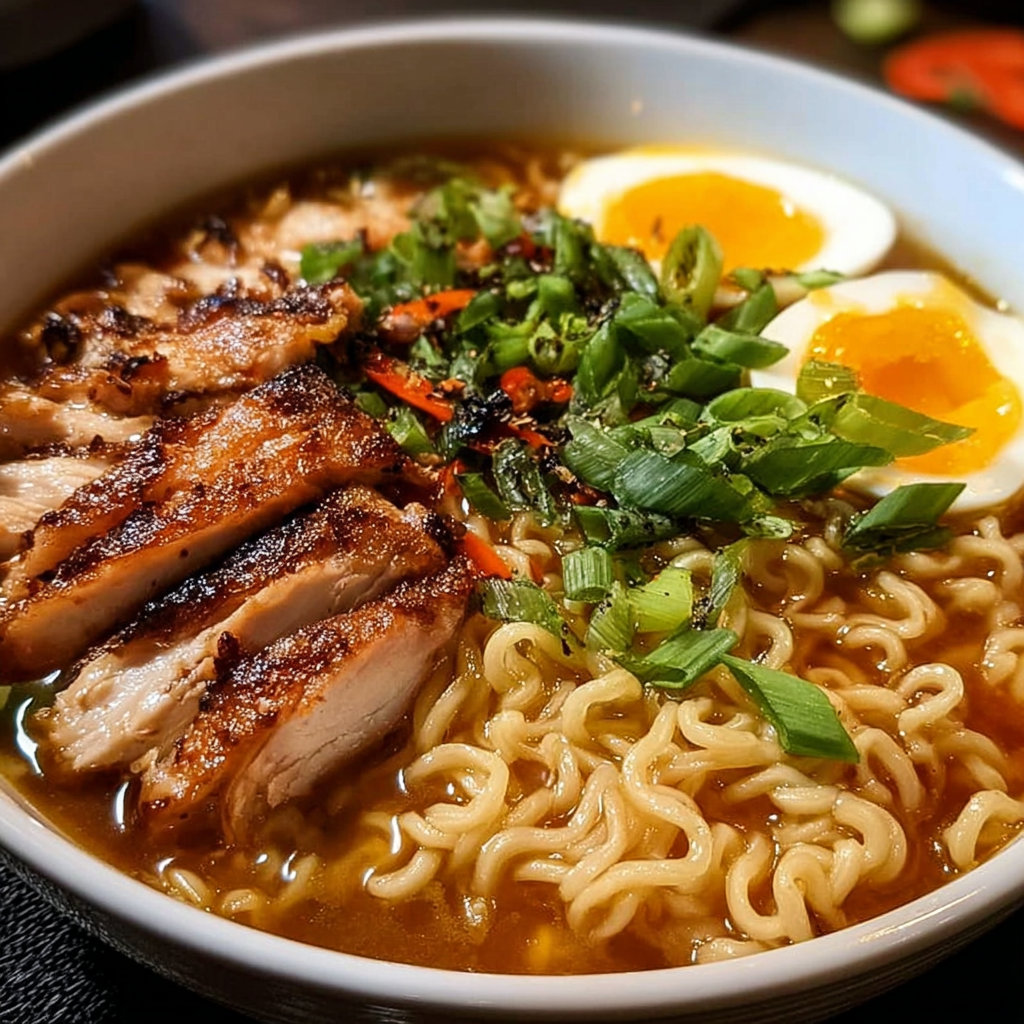
On busy weeknights, achieving a delicious, homemade meal can feel like a daunting task. Fear not, because this 20-minute chicken ramen recipe is here to save the day. Packed with flavors, textures, and soothing warmth, it’s a perfect comfort food prepared in no time.
In addition to satisfying your cravings, this dish highlights the versatility of ramen noodles, bringing a rich homemade broth and tender chicken together under a veil of umami goodness. Whether you're a novice cook or a seasoned pro, whipping up this meal will leave you encouraged and inspired to explore more.
So roll up your sleeves and get ready for a culinary adventure that can be made in a flash and without compromising on quality.
Ingredients
- 2 boneless, skinless chicken thighs
Chicken thighs are juicy and flavorful, making them ideal for a quick ramen. Their tenderness ensures a satisfying bite, while the slight fat content enhances the overall richness of the broth. - 4 cups chicken broth
A good-quality chicken broth serves as the foundation of flavor in this dish. It infuses the ramen with deep savory notes, lending a comforting warmth that elevates the entire experience. - 2 packs ramen noodles
Ramen noodles are quick-cooking and provide the essential carb base for this dish. Their ability to absorb flavors from the broth makes them a perfect vehicle for the other ingredients. - 1 tablespoon soy sauce
Soy sauce adds a depth of flavor and a touch of saltiness that enhances the overall richness. It's a classic umami booster that brings all the components together. - 1 teaspoon sesame oil
Sesame oil contributes a nutty, aromatic quality that elevates the dish. Just a small amount can significantly enhance the flavor profile, giving it a more authentic taste. - 1 cup scallions, sliced
Scallions provide a fresh, crisp contrast to the rich broth. Their light onion flavor adds brightness to the dish, which is essential for balancing the heartiness of the chicken and noodles. - 1 carrot, julienned
Carrots add a slight sweetness and crunch, creating a pleasing texture that complements the noodles and chicken. They also contribute color, making the dish visually appealing. - 1 teaspoon ginger, minced
Ginger adds a warm, zesty note that enhances the flavors of the broth. It is a classic aromatic that helps to balance richness and provides a nice zing. - 2 cloves garlic, minced
Garlic brings an unparalleled depth and aroma to the ramen. Its savory undertones pair excellently with the chicken and broth, creating a well-rounded flavor. - Soft-boiled egg (optional)
A soft-boiled egg adds creaminess and richness that makes each bite even more indulgent. The egg yolk can create a luscious sauce when mixed into the broth.
Directions & Preparation
Step 1: Cook the chicken thighs.
Begin by heating a skillet over medium heat. Add a drizzle of sesame oil and place the chicken thighs in the pan. Searing the chicken first helps to lock in juices, creating a flavorful crust. Cook for about 4-5 minutes on each side until they are golden brown and cooked through. Use a meat thermometer to ensure they have reached an internal temperature of 165°F for food safety.
Step 2: Remove and slice the chicken.
Once the chicken is cooked, remove it from the skillet and let it rest for a couple of minutes. This resting time helps the juices redistribute, ensuring juicy slices. After resting, slice the chicken into bite-sized pieces that can be easily mixed into the broth and noodles for optimal eating.
Step 3: Prepare the broth.
In the same skillet, add garlic, ginger, and carrots. Sauté them for 1-2 minutes until fragrant and softened. This enhances the broth's flavor and ensures the vegetables retain some crispness. Then, pour in the chicken broth along with soy sauce, and bring it to a simmer, allowing the flavors to meld together beautifully.
Step 4: Cook the ramen noodles.
While the broth comes to a simmer, add the ramen noodles directly into the pot. These typically cook within 3-4 minutes, so keep an eye on them to avoid overcooking. Stir occasionally to prevent them from clumping and ensure they absorb the rich flavors of the broth as they soften.
Step 5: Combine everything.
Once the noodles are cooked, return the sliced chicken to the skillet. Toss it all together with scallions, allowing them to wilt slightly from the heat. This step combines the ingredients, letting them soak up one another’s flavors while achieving a harmonious blend in your bowl.
Step 6: Serve and garnish.
Ladle the ramen, chicken, and broth into serving bowls. If desired, top with a soft-boiled egg cut in half, extra scallions, or even a sprinkle of sesame seeds. This final touch not only enhances presentation but also adds extra flavor, making each bowl truly irresistible.

Secrets to an Irresistible Broth
The broth is the heart of any ramen, so focusing on its depth and complexity is essential. Using high-quality chicken broth as the base sets a solid foundation. Incorporating aromatic elements like ginger, garlic, and soy sauce creates a multifaceted flavor experience. Allow the broth to simmer long enough for these flavors to meld together, resulting in a deeply satisfying result.
Noodle Management: Getting It Right
Timing is crucial when working with ramen noodles. They need just the right amount of cooking time to achieve that perfect chewy texture. Follow the package instructions closely, and consider adding them to the broth while it simmers. This allows them to soak up flavors, enhancing the overall ramen experience without losing their desirable bite.
Customizing Your Ramen Bowl
Part of the joy of ramen is the opportunity to personalize your bowl. Feel free to throw in additional toppings such as mushrooms, spinach, or bamboo shoots for added color and texture. Moreover, adjusting the seasoning with more soy sauce or sesame oil can tailor the flavor profile to your liking. Creativity is encouraged!
FAQs
What should I do if the broth tastes too bland?
If the broth lacks flavor, try adding a splash more soy sauce or a pinch of salt. You can also boost the umami with a dash of fish sauce or miso paste. Let it simmer for a few minutes to meld the flavors.
Why is my ramen too thick?
If the ramen seems thicker than desired, it's likely due to too little broth or overcooked noodles. You can thin it out by adding a bit more chicken broth or water to reach your desired consistency.
Can I use frozen chicken for this recipe?
Yes, you can use frozen chicken thighs. Just make sure to thaw them properly beforehand for even cooking. You may need to adjust cooking times slightly based on their size.
What if I want a spicier ramen?
For a spicier kick, consider adding chili oil or a sprinkle of red pepper flakes to your broth. You can also top each bowl with slices of jalapeño for an extra heat level.
Can I substitute the chicken with tofu?
Absolutely! For a vegetarian version, substitute chicken thighs with firm or extra-firm tofu. Press it to remove excess moisture, then sauté until golden brown for a delightful texture.
What's the best way to add more vegetables?
Incorporate more vegetables by adding items like bok choy, snap peas, or mushrooms during the simmering stage of the broth. This will infuse them with flavor without overcooking, keeping a vibrant texture.
Conclusion
This quick chicken ramen offers a delightful respite from the chaos of life, featuring an abundance of flavor, texture, and warmth. It's a dish that invites creativity, encouraging you to personalize it with your favorite ingredients.
With just twenty minutes, you can bring comforting, homemade ramen to your table, proving that great food doesn't require hours in the kitchen. Enjoy your culinary creation; you deserve every slurp.
Recipe Card
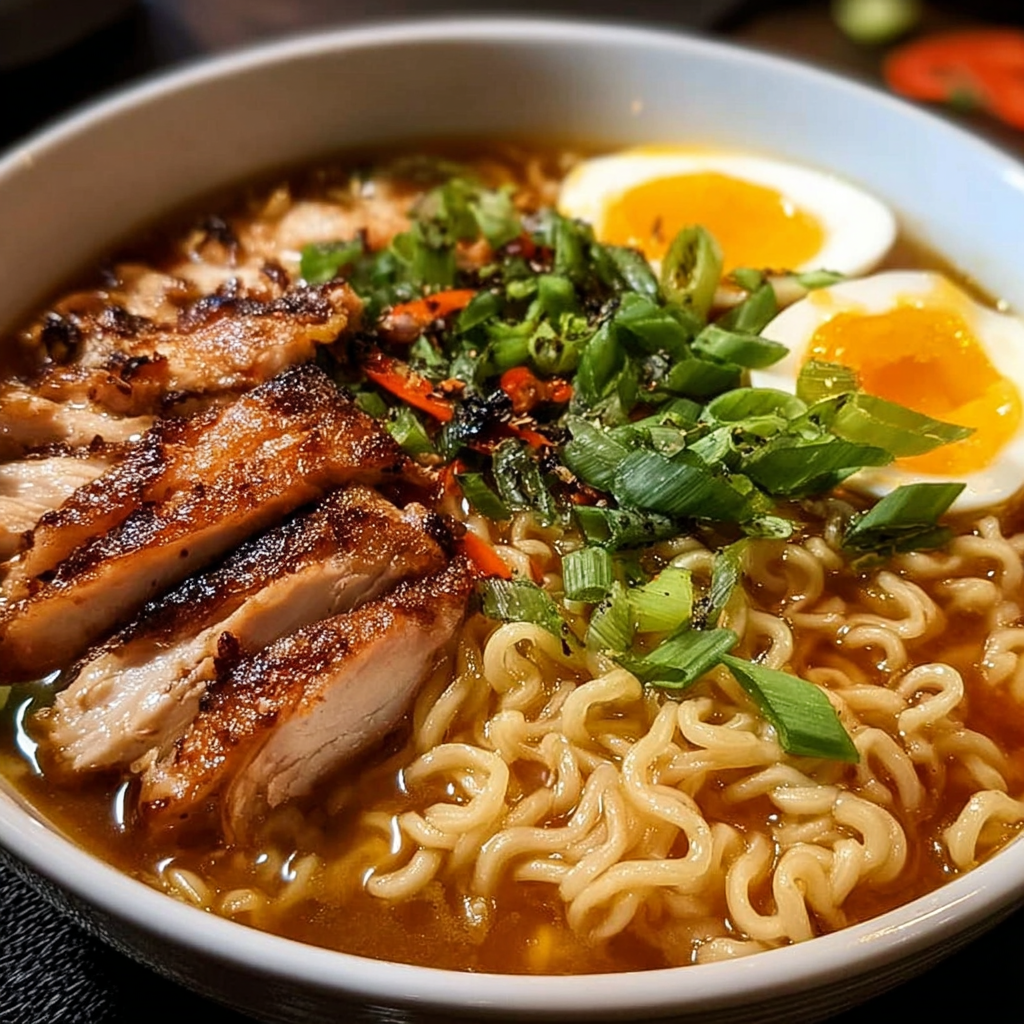
Quick and Flavorful Chicken Ramen in 20 Minutes
Ingredients
Method
- Cook the chicken thighs.
- Remove and slice the chicken.
- Prepare the broth.
- Cook the ramen noodles.
- Combine everything.
- Serve and garnish.
Notes
Additional serving suggestions: pair with a crisp salad, garlic bread, or roasted seasonal vegetables for balance.
For make-ahead, prep components separately and assemble just before heating to preserve texture.
Taste and adjust with acid (lemon/vinegar) and salt right at the end to wake up flavors.