Introduction
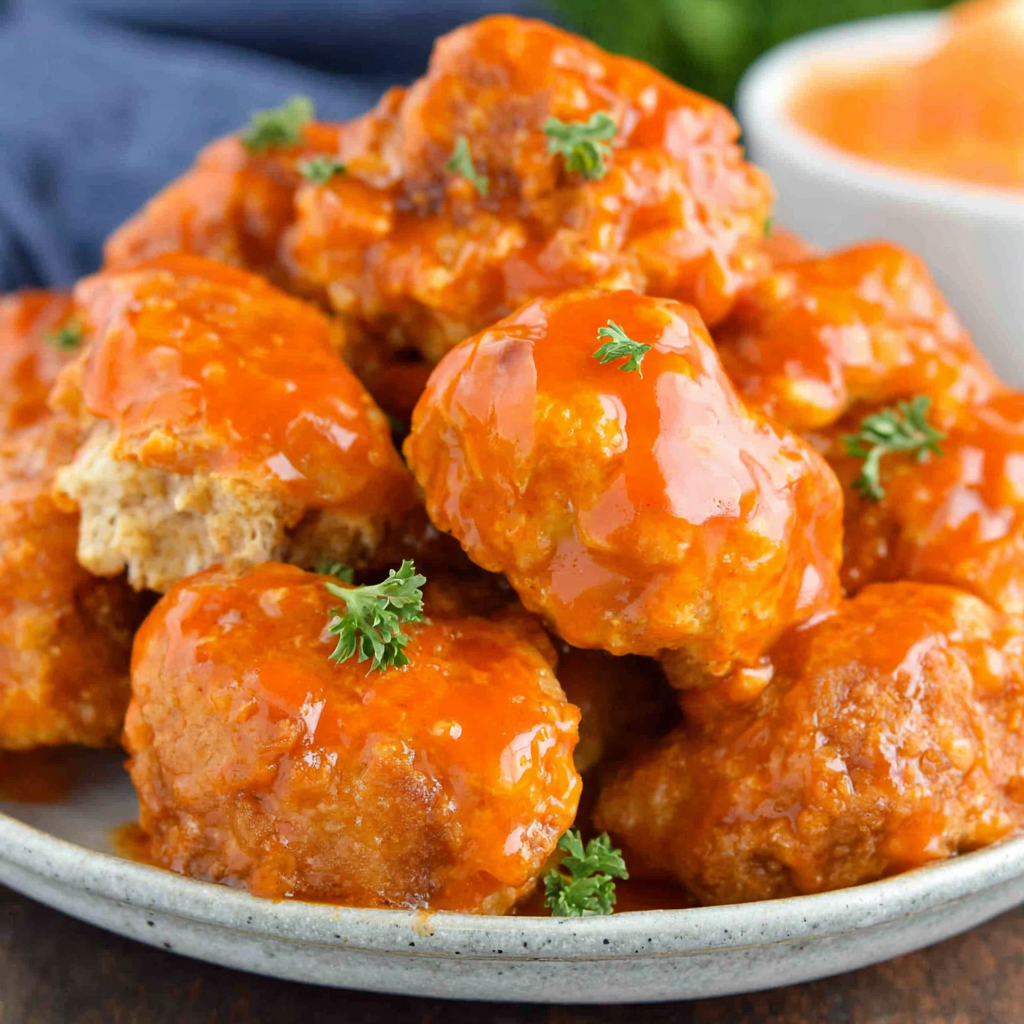
Boneless chicken wings have become a favorite for many who crave the bold flavors of traditional wings without the hassle of bones. These juicy morsels are perfect for game day parties, family gatherings, or a quick and satisfying dinner. With a crunchy exterior and a variety of sauces, they can cater to any palate.
The beauty of making boneless chicken wings at home is the control you have over the ingredients and flavors. You can customize the heat level, sweetness, and even the crunchiness of the coating. This makes them not only a delicious treat but also a delightful culinary adventure.
This recipe will guide you through the process of creating perfectly crispy boneless chicken wings that can be paired with various sauces to elevate the experience. Whether you opt for classic buffalo, tangy barbecue, or a sweet chili glaze, these wings are sure to impress.
Ingredients
- 2 lbs boneless, skinless chicken breasts
Chicken breasts are the foundation of this dish, providing a tender and juicy meat that holds flavors well. Boneless cuts make for easy eating and quick cooking. - 1 cup all-purpose flour
Flour creates the crispy coating that makes each bite satisfying. It also helps the seasoning adhere to the chicken, ensuring a burst of flavor in every mouthful. - 1 tsp baking powder
Baking powder helps to lighten the flour mixture, contributing to a crunchier texture when fried. This simple ingredient can make a significant difference in the final outcome. - 1 tsp garlic powder
Garlic powder adds depth and flavor, infusing the chicken with a savory taste that complements the spices and sauces used later. It’s a must for enhancing overall flavor. - 1 tsp paprika
Paprika not only provides a rich color to the coating but also contributes a mild sweetness and aroma. It enhances the visual appeal of the wings, making them more appetizing. - 1/2 tsp salt
Salt is crucial for flavor enhancement. It brings out the natural taste of the chicken and balances the other spices, making each bite deliciously seasoned. - 1/2 tsp black pepper
Black pepper adds a subtle heat and complexity to the flavor profile. It complements the other seasonings without overwhelming the palate. - 1 cup buttermilk
Buttermilk tenderizes the chicken and infuses it with moisture. It also helps the flour coating stick during frying, creating that beloved crunchy exterior. - Vegetable oil for frying
Vegetable oil is essential for achieving a crispy texture through frying. It has a high smoke point and a neutral flavor, making it ideal for frying chicken wings. - Your choice of sauce (e.g., buffalo, barbecue, or honey garlic)
The sauce brings the chicken wings to life, adding flavor and moisture. Each sauce offers a unique taste profile that can elevate the wings to different culinary experiences.
Directions & Preparation
Step 1: Prepare the chicken.
Begin by cutting the boneless chicken breasts into bite-sized pieces. This ensures even cooking and balance in every bite. It's crucial to ensure the pieces are uniform for consistent frying.
Step 2: Marinate the chicken in buttermilk.
Combine the chicken pieces with buttermilk in a bowl or Ziploc bag. Allow it to marinate for at least 30 minutes, or up to overnight in the refrigerator. This step is essential as it tenderizes the chicken and infuses it with flavor, setting the stage for a juicy end product.
Step 3: Prepare the flour mixture.
In a separate bowl, whisk together flour, baking powder, garlic powder, paprika, salt, and black pepper. This seasoned flour will coat the chicken, creating a crispy outer layer. Ensure the mixture is well-combined for even distribution of flavors.
Step 4: Heat the oil.
In a large pot or deep fryer, heat about 2-3 inches of vegetable oil to 350°F (175°C). Using a thermometer can help maintain this temperature for optimal frying. Adequate oil temperature is vital as it prevents the chicken from becoming greasy and ensures a crisp texture.
Step 5: Coat the chicken pieces.
Remove the chicken from the buttermilk and let excess drip off. Dredge each piece in the seasoned flour mixture, pressing lightly to adhere. This coating is what provides the crunch necessary for perfect boneless wings, so make sure each piece is adequately covered.
Step 6: Fry the chicken.
Working in batches, carefully add coated chicken pieces to the hot oil. Fry the chicken until golden brown and cooked through, approximately 5-7 minutes. Monitoring the frying process ensures the chicken achieves that desired crispy exterior without burning.
Step 7: Remove and drain.
Using a slotted spoon, transfer the fried chicken pieces to a paper towel-lined plate to absorb any excess oil. Proper draining is important for achieving a non-greasy finish and helps maintain the crispiness of the wings.
Step 8: Toss in sauce.
While the chicken is hot, toss it in your choice of sauce until evenly coated. This step allows the sauce to cling better to the crispy chicken, enhancing flavor and making each bite delectable. You can adjust the amount of sauce based on personal preference.
Step 9: Serve and enjoy.
Plate the boneless chicken wings and serve immediately with your favorite dipping sauces. The wings are best enjoyed fresh and hot, allowing for the ultimate flavor experience. Accompanying them with celery sticks or carrot sticks can balance their richness.

Choosing the Right Sauce for Every Palate
The choice of sauce can drastically alter the experience of your boneless chicken wings. For those who crave a classic flavor, buffalo sauce offers the perfect kick with its vibrant, tangy profile. If sweet and smoky is more your style, barbecue sauce delivers a delightful balance. For a unique twist, try a honey garlic sauce for a fusion of savory and sweet, catering to a range of tastes.
Baking as a Healthier Alternative
While frying is the traditional method for making chicken wings, baking offers a healthier alternative that still yields a satisfying crunch. To bake, coat the marinated chicken in the seasoned flour and arrange it on a wire rack over a baking sheet. Bake at 400°F (200°C) for about 20-25 minutes, flipping halfway through. This method not only cuts down on oil but also retains moisture for juicy wings.
Experimenting with Wing Flavors
Don't be afraid to get creative with flavors when making your boneless chicken wings. Spice blends like Cajun or lemon-pepper can provide an exciting twist. Consider adding herbs like oregano or thyme for a more earthy note. Customizing your wings opens up a world of flavor possibilities, perfect for adventurous eaters who love trying new things.
FAQs
What if my chicken wings turn out bland?
If your wings are bland, consider increasing the amount of seasoning in your flour mixture or marinating them longer in buttermilk. An additional sauce toss just before serving can also enhance flavor.
How do I ensure my chicken is cooked through?
To ensure proper cooking, use a meat thermometer to check the internal temperature of the chicken, aiming for 165°F (74°C). This guarantees both safety and juiciness.
What if I want to make a larger batch?
To scale the recipe up, simply increase the quantities proportionally. Ensure you have enough oil for frying so that the chicken can cook evenly, and consider frying in batches to maintain oil temperature.
My coating is too thick, what can I do?
If the coating on your chicken is too thick, try using less flour in the dredging process or better tap off excess before frying. A lighter touch can yield a more enjoyable crunch.
What are good dipping sauces to pair with these wings?
Common dipping sauces include ranch dressing, blue cheese dressing, or additional buffalo sauce. Each adds a different flavor experience that enhances the wings.
Can I add spice to the coating for extra heat?
Absolutely! You can incorporate cayenne pepper or chili powder into the flour mixture. Start with a small amount and adjust according to your heat preference.
How can I make the wings crispier?
For crispier wings, ensure the oil is sufficiently hot and consider double frying to achieve maximum crunch. Allow mustardy coating to dry between each fry for extra texture.
Can I use other cuts of chicken for this recipe?
While boneless chicken breasts are ideal, you can also use chicken thighs. Just be mindful that thighs may require slightly longer cooking times due to their higher fat content.
Conclusion
Making boneless chicken wings at home is a rewarding endeavor that promises delicious results with the right techniques. With each crispy bite and flavorful sauce, these wings can quickly become a staple in any cooking repertoire.
The possibilities for customization are endless, making them suitable for any occasion or taste preference. Enjoy this recipe as a base to explore different flavors and cooking methods to elevate your wing game.
Recipe Card

Savor the Flavor of Homemade Boneless Chicken Wings
Ingredients
Method
- Prepare the chicken.
- Marinate the chicken in buttermilk.
- Prepare the flour mixture.
- Heat the oil.
- Coat the chicken pieces.
- Fry the chicken.
- Remove and drain.
- Toss in sauce.
- Serve and enjoy.
Notes
Additional serving suggestions: pair with a crisp salad, garlic bread, or roasted seasonal vegetables for balance.
For make-ahead, prep components separately and assemble just before heating to preserve texture.
Taste and adjust with acid (lemon/vinegar) and salt right at the end to wake up flavors.