Introduction
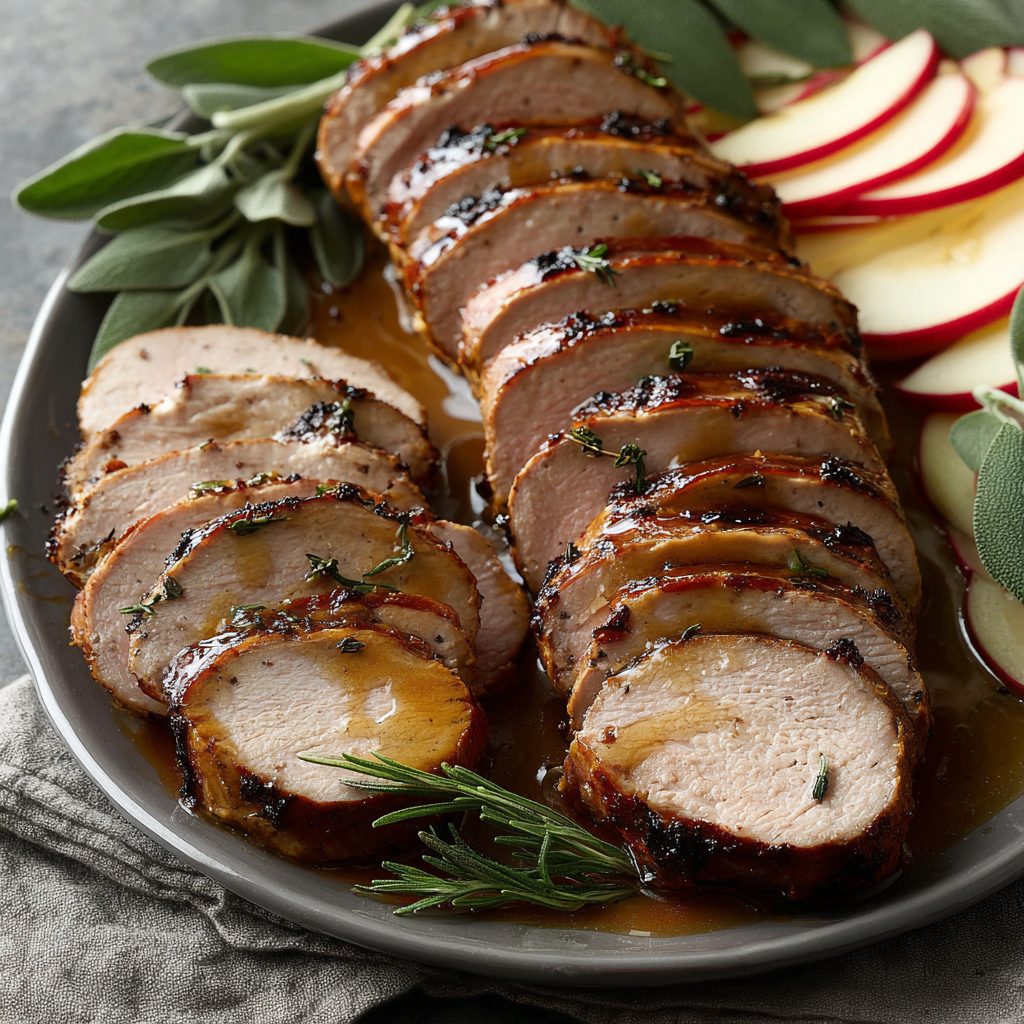
Pork tenderloin is a versatile cut of meat that benefits greatly from thoughtful preparation. When paired with the sweetness of apples and the earthy notes of sage, it transforms into a dish that can impress any dinner guest. This combination not only enhances the flavor but also brings a touch of autumn to your table.
Cooking this dish at home allows for a unique experience where you control the seasoning and quality of ingredients. The savory-sweet profile plays beautifully on the palate, making it a go-to for gatherings and family dinners alike. Here's how to create a memorable Apple and Sage Pork Tenderloin that showcases simple yet impactful flavors.
Ingredients
- 1.5 pounds pork tenderloin
This lean cut of meat is tender and cooks quickly, making it ideal for weeknight dinners. Its mild flavor serves as a perfect canvas for the apple and sage, allowing those ingredients to shine. - 2 tablespoons olive oil
Used for searing the tenderloin, olive oil adds richness and prevents sticking. It also helps in developing a beautiful crust on the pork, which enhances the overall texture. - 1 cup diced apples
Apples contribute a sweet and tart flavor that balances the savory notes of the pork. Choose a firm variety like Granny Smith or Honeycrisp for the best results. - 1/4 cup onion, finely chopped
Onions add depth and sweetness to the dish as they caramelize during cooking, complementing the flavors of the herbs and apples. - 2 tablespoons fresh sage, chopped
Sage is aromatic and slightly peppery, providing a fragrant counterpoint to the sweetness of the apples. It’s also a classic pairing with pork. - 1/2 cup chicken broth
Chicken broth adds moisture throughout the cooking process and infuses the meat with flavor. It also helps create a sauce that ties the dish together. - Salt and pepper to taste
Essential for bringing out the natural flavors in the dish, seasoning is key. Adjust to your preference, keeping in mind the role of additional flavors from the broth and toppings.
Directions & Preparation
Step 1: Preheat oven to 400°F (200°C).
Preheating the oven ensures that the pork tenderloin will start cooking immediately when placed inside, promoting an even roast. This step locks in moisture and flavor while creating a desirable crust.
Step 2: Season the pork tenderloin with salt and pepper.
Seasoning the meat generously enhances its natural flavors. The salt not only seasons but also helps to retain moisture during cooking. Allowing it to sit for a few minutes lets the seasoning penetrate the meat.
Step 3: Heat olive oil in a large oven-safe skillet over medium-high heat.
The oil should shimmer before adding the pork, indicating it’s hot enough for searing. Searing creates a Maillard reaction, establishing a flavorful browned crust that enhances the dish's richness.
Step 4: Sear the pork tenderloin on all sides (about 3-4 minutes per side).
This step is crucial for locking in juices. The pork should develop a golden-brown exterior that contrasts beautifully with the tender interior. Turn the meat only as needed, avoiding constant movement.
Step 5: Remove the pork from the skillet and set aside.
Letting the pork rest briefly after searing allows the juices to redistribute. This results in a more tender and juicy tenderloin when sliced, preventing the meat from drying out.
Step 6: Add diced apples, onion, and sage to the skillet; sauté for about 5 minutes.
This creates a flavorful base that caramelizes the apples and onions, unlocking their sweetness. Cooking them before adding the broth allows them to soften and develop depth.
Step 7: Pour in the chicken broth and stir to combine, scraping up any browned bits.
Deglazing the pan adds even more flavor from the seared pork, incorporating those caramelized bits into the sauce. This step builds a complex flavor profile for the tenderloin.
Step 8: Return the pork to the skillet, spooning some of the mixture over the top.
Covering the pork with the apple-onion mixture ensures it absorbs those flavors during roasting. This all-in-one cooking method keeps everything moist and delicious.
Step 9: Transfer the skillet to the preheated oven and roast for 20-25 minutes, until meat reaches 145°F (63°C).
Monitoring the internal temperature is crucial to avoid overcooking; a meat thermometer is your best friend here. Removing the tenderloin at the right temp ensures juiciness.
Step 10: Let the pork rest for 5-10 minutes before slicing.
Resting is essential as it allows juices to settle; cutting too soon will lead to a dry result. This is a good time to finish any accompaniment or prepare the plating.
Step 11: Slice, serve, and enjoy your Apple and Sage Pork Tenderloin!
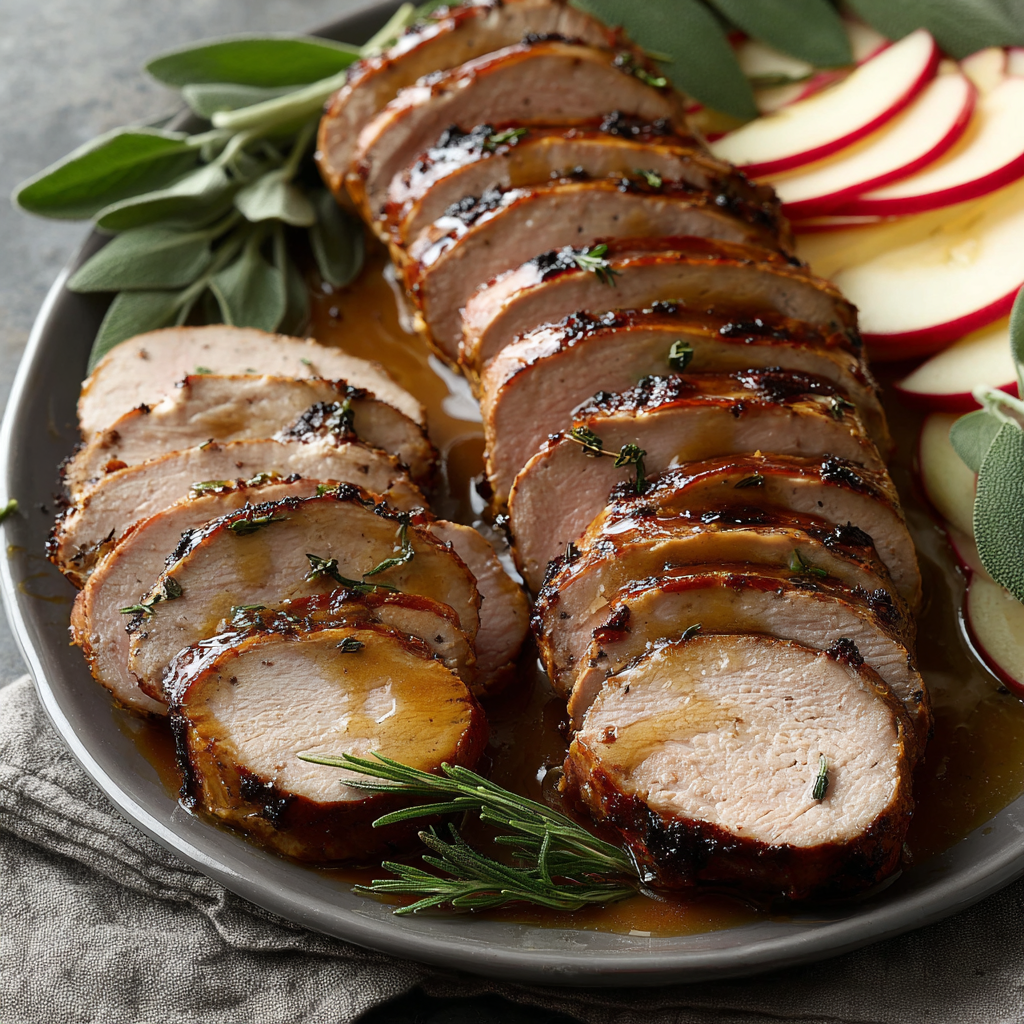
Presentation is key; arrange the tenderloin with the apple and sage mixture on top for an inviting look. Serve while warm to benefit from the layered flavors at their best.

Marinating for Depth of Flavor
For those looking to elevate the sweetness and savoriness, consider marinating the pork overnight in a mixture of apple cider, sage, and a touch of Dijon mustard. This not only infuses the meat with flavor but also results in a more tender bite. The acid in the cider helps break down connective tissue, enhancing the dish’s overall texture.
Choosing the Right Apples
The choice of apple is crucial in this recipe. For a balance of sweetness and tartness, opt for firm varieties like Honeycrisp or Gala. Avoid soft apples that will break down too much or turn mushy while cooking. The right apple will maintain some firmness and structure, contributing both texture and flavor.
A Simple Yet Elegant Presentation
When serving your Apple and Sage Pork Tenderloin, consider garnishing with additional fresh sage leaves or thin apple slices sautéed briefly. This enhances visual appeal while hinting at the flavors within. A side of roasted vegetables or a fresh salad complements the meal beautifully, making it a perfect dish for entertaining.
FAQs
The sauce turned out too thick; what can I do?
If the sauce is too thick, simply add a bit more chicken broth or water to thin it out. Stir well and bring it back to a simmer until the desired consistency is reached.
What should I do if the pork tenderloin is overcooked?
If your pork tenderloin is overcooked, slice it thinly and serve it with a generous amount of the apple and sage mixture. This can help to mask dryness and enhance flavor.
Can I use dried sage instead of fresh in this recipe?
While fresh sage provides a more vibrant flavor, you can use dried sage if needed. Use about one-third of the amount, as dried herbs are more concentrated.
What side dishes pair well with this meal?
Consider serving it with mashed potatoes, roasted Brussels sprouts, or a crisp apple and walnut salad to bring out the dish’s flavors and provide a delightful contrast.
Is there a way to prepare this dish in a slow cooker?
Yes, you can brown the pork as directed, then transfer it to a slow cooker with the apple, onion, sage, and broth. Cook on low for 4-6 hours for a tender outcome.
What if I want to double the recipe for a larger gathering?
If doubling, ensure your skillet can fit the larger amount or cook in batches. Adjust the cooking times slightly as needed, particularly checking the internal temperature.
Conclusion
Cooking Apple and Sage Pork Tenderloin is not just about satisfying hunger; it's about creating an experience that engages the senses. The symphony of flavors is a testimony to how simple ingredients can create magic in the kitchen.
This dish, with its beautiful balance of sweetness and savoriness, is perfect for both cozy family dinners and elegant gatherings. Enjoy the process and the delightful results that follow, allowing every bite to transport you to the autumn orchards.
Recipe Card
Savoring Apple and Sage Pork Tenderloin Perfection
Ingredients
Method
- Preheat oven to 400°F (200°C).
- Season the pork tenderloin with salt and pepper.
- Heat olive oil in a large oven-safe skillet over medium-high heat.
- Sear the pork tenderloin on all sides (about 3-4 minutes per side).
- Remove the pork from the skillet and set aside.
- Add diced apples, onion, and sage to the skillet; sauté for about 5 minutes.
- Pour in the chicken broth and stir to combine, scraping up any browned bits.
- Return the pork to the skillet, spooning some of the mixture over the top.
- Transfer the skillet to the preheated oven and roast for 20-25 minutes, until meat reaches 145°F (63°C).
- Let the pork rest for 5-10 minutes before slicing.
- Slice, serve, and enjoy your Apple and Sage Pork Tenderloin!
Notes
Additional serving suggestions: pair with a crisp salad, garlic bread, or roasted seasonal vegetables for balance.
For make-ahead, prep components separately and assemble just before heating to preserve texture.
Taste and adjust with acid (lemon/vinegar) and salt right at the end to wake up flavors.