Introduction
Lobster tail is a luxurious seafood option that can elevate any meal. Its tender meat and subtle sweetness make it an indulgent choice for special occasions or a delightful treat for home cooks looking to impress.
Cooking lobster tail might seem daunting, but with the right approach and techniques, it can be straightforward and enjoyable. The focus on freshness and seasoning ensures that every bite bursts with flavor, showcasing the natural delicacy of the lobster meat.
Ingredients
- 4 lobster tails
Fresh lobster tails are the star of this dish, offering sweet, tender meat. Choose tails that are firm to the touch and have a pleasant ocean scent for the best flavor. - 1/4 cup unsalted butter
Butter adds richness and helps to baste the lobster tails during cooking, enhancing the flavor and creating a golden crust. Its creamy texture complements the sweet meat of the lobster nicely. - 2 cloves garlic, minced
Garlic infuses the lobster with a savory aroma and depth of flavor. Its sharpness balances the rich butter, adding complexity to the dish. - 1 tablespoon lemon juice
Lemon juice brightens the flavors and adds acidity, which helps cut through the richness of the butter. It also gives a fresh, zesty contrast that makes the dish more vibrant. - 1 teaspoon paprika
Paprika introduces a slight smokiness and a touch of color to the lobster. It enhances the visual appeal of the dish while adding a mild, earthy depth. - Salt and pepper to taste
Seasoning with salt and pepper is crucial to highlight the natural flavors of the lobster meat. Customizing the saltiness and spice level to your preference ensures a well-balanced dish.
Directions & Preparation
Step 1: Preheat your oven to 375°F (190°C).
Preheating the oven ensures a consistent cooking temperature, allowing the lobster tails to roast evenly. A properly heated oven promotes even cooking, ensuring that the meat becomes tender without drying out.
Step 2: Prepare the lobster tails by cutting them open.
Using kitchen scissors, carefully cut the top shell of each lobster tail lengthwise. This step not only makes it easier for seasonings to penetrate but also allows for an attractive presentation when cooked, as the meat will rise above the shell.
Step 3: Mix melted butter, garlic, lemon juice, and paprika.
Combining these ingredients creates a flavorful basting sauce that will enhance the lobster meat. This mixture infuses the tails with rich flavors and ensures a delightful aroma during cooking.
Step 4: Baste the lobster meat with the butter mixture.
Generously brushing the lobster meat with the butter mixture adds flavor and moisture as it cooks. This basting step is crucial as it helps achieve a deliciously rich crust while keeping the inside tender.
Step 5: Season the lobster tails with salt and pepper to taste.
Proper seasoning at this stage helps enhance the natural sweetness of the lobster. Be mindful not to overdo it; you want to elevate the flavor without overshadowing the delicate taste of the seafood.
Step 6: Place the lobster tails in a baking dish and cover with foil.
Covering the tails with foil while they bake helps to trap steam, maintaining moisture and preventing the meat from drying out. This method promotes even cooking and ensures a succulent texture.
Step 7: Bake for 15-20 minutes or until the meat is opaque.
Cooking times may vary based on the size of the tails. You’ll know they’re done when the meat turns opaque and is firm to the touch. Overcooking can lead to a tough texture, so keep an eye on them.
Step 8: Remove from the oven and let rest for a few minutes.
Allowing the lobster tails to rest before serving helps redistribute the juices, ensuring that every bite remains flavorful and moist. This waiting period builds anticipation and enhances the dining experience.
Step 9: Serve with the remaining butter mixture.
Serving the lobster tails with extra basting sauce offers additional flavor and richness. It enhances the dish's presentation while inviting diners to enjoy every last drop of the delicious buttery sauce.

Basting Brilliance: Enhancing Flavor
The basting process not only adds flavor but also affects the texture of the lobster meat. Regularly applying the butter mixture helps achieve a succulent finish, enhancing the natural sweetness of the lobster tail. A well-executed baste contributes to a luxurious dining experience, as your guests will savor the combination of richness and freshness with every bite.
Presentation Matters: Plating Your Lobster Tail
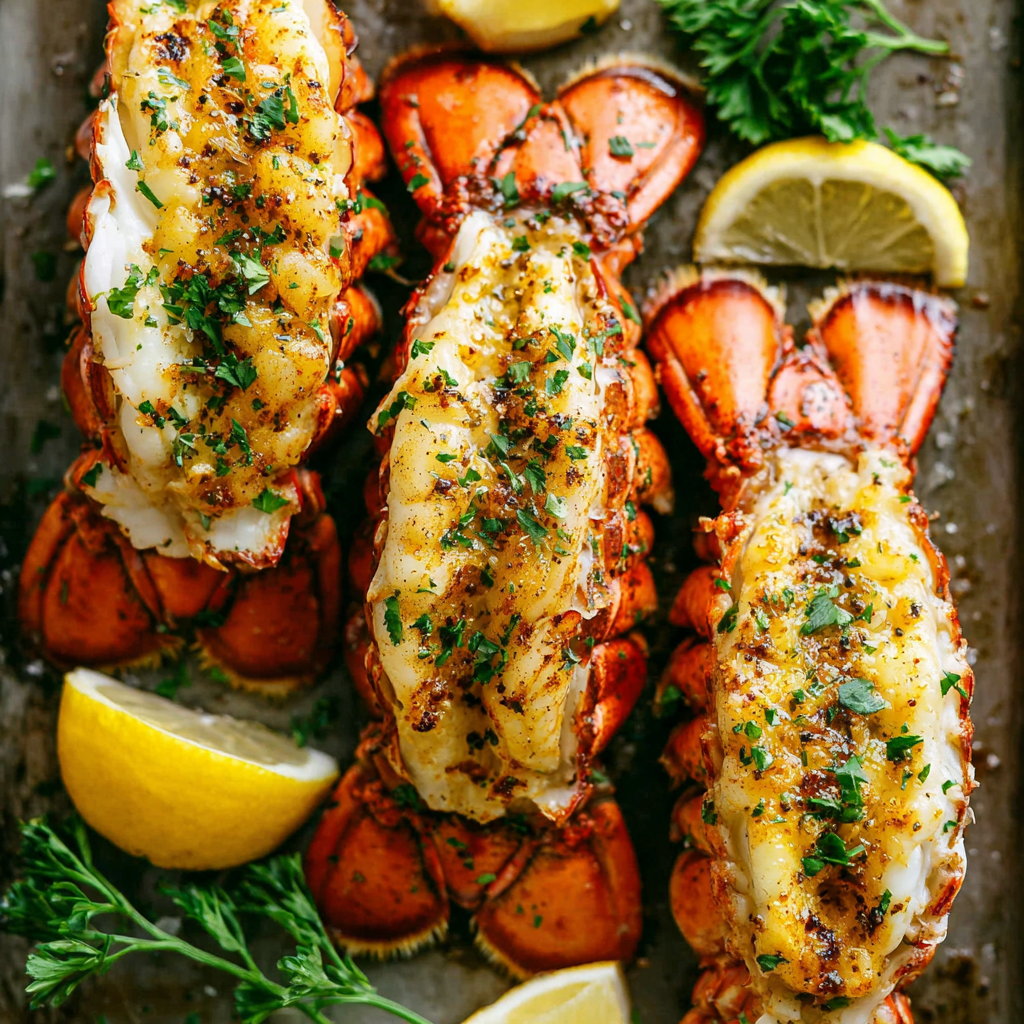
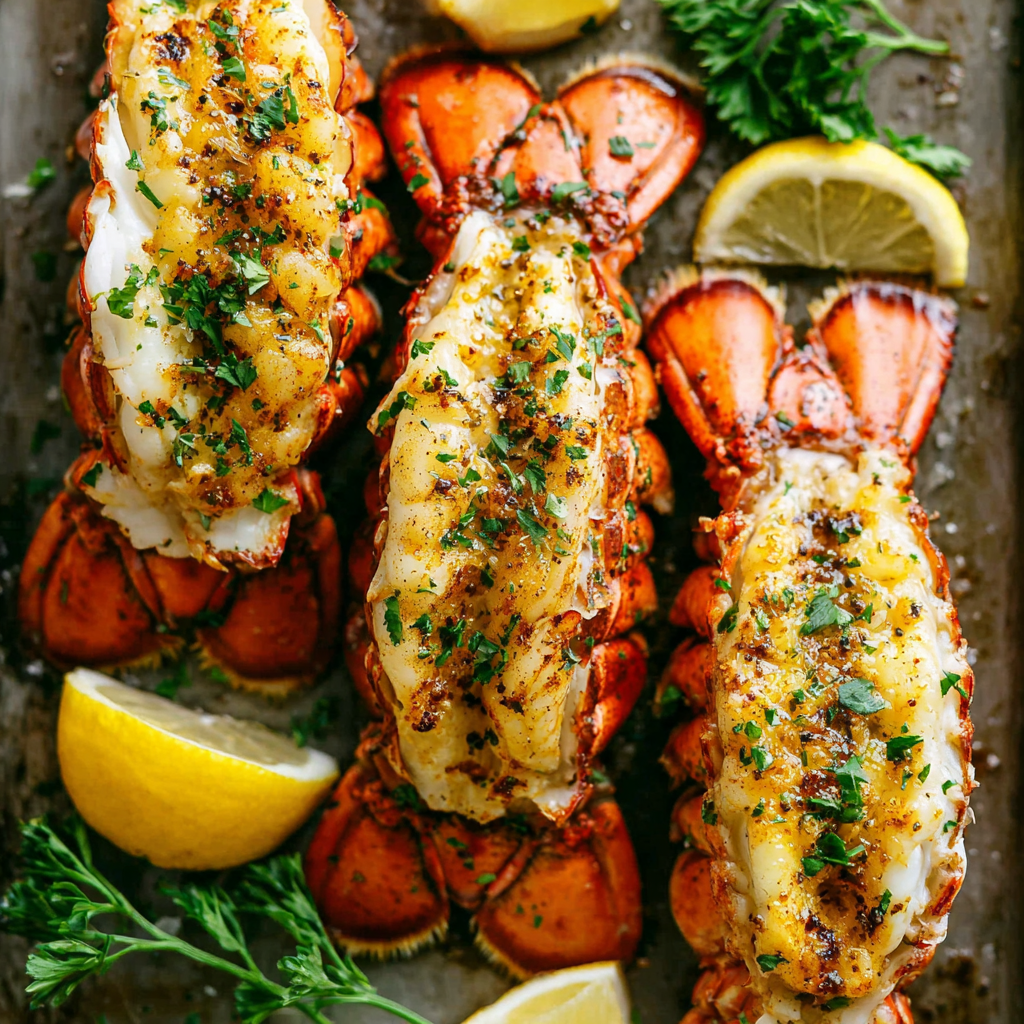
How you present your lobster tails can elevate the dining experience significantly. V-shaped cuts slightly opened show off the tender meat beautifully. Garnish with a sprinkle of fresh parsley or lemon wedges for a pop of color and freshness. Creating an appetizing plate not only excites the palate but also engages your guests visually, making the meal memorable.
Pairing Perfection: What to Serve with Lobster
Lobster tail pairs remarkably well with a variety of side dishes. Consider serving it alongside garlic butter asparagus or a light arugula salad dressed in a citrus vinaigrette. A glass of crisp white wine, such as Sauvignon Blanc, complements the richness of the lobster beautifully, making for a delightful balance of flavors that celebrate this exquisite seafood.
FAQs
What should I do if my lobster tails are overcooked?
If the tails are overcooked, they will be tough and rubbery. To remedy this in the future, monitor cooking times carefully and use an instant-read thermometer; lobster is done when it reaches 140°F (60°C).
Can I use frozen lobster tails for this recipe?
Yes, you can use frozen lobster tails; just ensure they are fully thawed before cooking. Thaw them in the refrigerator for several hours or overnight for the best results.
What if the butter mixture burns while baking?
To avoid burning, ensure the oven temperature is accurate and cover the dish with foil in the initial baking phase. This protects the delicate flavors and keeps the surface from scaling.
My lobster tails turned out too bland. What can I do next time?
To enhance flavor, increase the seasoning in the butter mixture. Adding a pinch of cayenne pepper or using flavored butter can elevate the taste and provide a lively kick.
How can I tell if my lobster tails are fresh?
Fresh lobster tails should feel firm and smell briny, like the sea. Avoid any that have a strong fishy odor or a slimy texture, as this indicates spoilage.
Could I add herbs to the butter mixture?
Absolutely! Fresh or dried herbs like thyme, dill, or parsley can be added to the butter mixture for extra flavor complexity. Experiment with your favorites for a personalized touch.
Conclusion
Cooking lobster tail at home can be a delightful experience, transforming an ordinary meal into an extraordinary feast. With a few key ingredients and techniques, you’ll be able to impress your family and friends with your culinary skills.
Remember that quality ingredients and careful attention to cooking times are the keys to achieving the perfect lobster tail. Enjoy the delicious results of your efforts and the joy of sharing this seafood delicacy.
Recipe Card
Savoring Lobster Tail: A Culinary Delight
Ingredients
Method
- Preheat your oven to 375°F (190°C).
- Prepare the lobster tails by cutting them open.
- Mix melted butter, garlic, lemon juice, and paprika.
- Baste the lobster meat with the butter mixture.
- Season the lobster tails with salt and pepper to taste.
- Place the lobster tails in a baking dish and cover with foil.
- Bake for 15-20 minutes or until the meat is opaque.
- Remove from the oven and let rest for a few minutes.
- Serve with the remaining butter mixture.
Notes
Additional serving suggestions: pair with a crisp salad, garlic bread, or roasted seasonal vegetables for balance.
For make-ahead, prep components separately and assemble just before heating to preserve texture.
Taste and adjust with acid (lemon/vinegar) and salt right at the end to wake up flavors.