Introduction
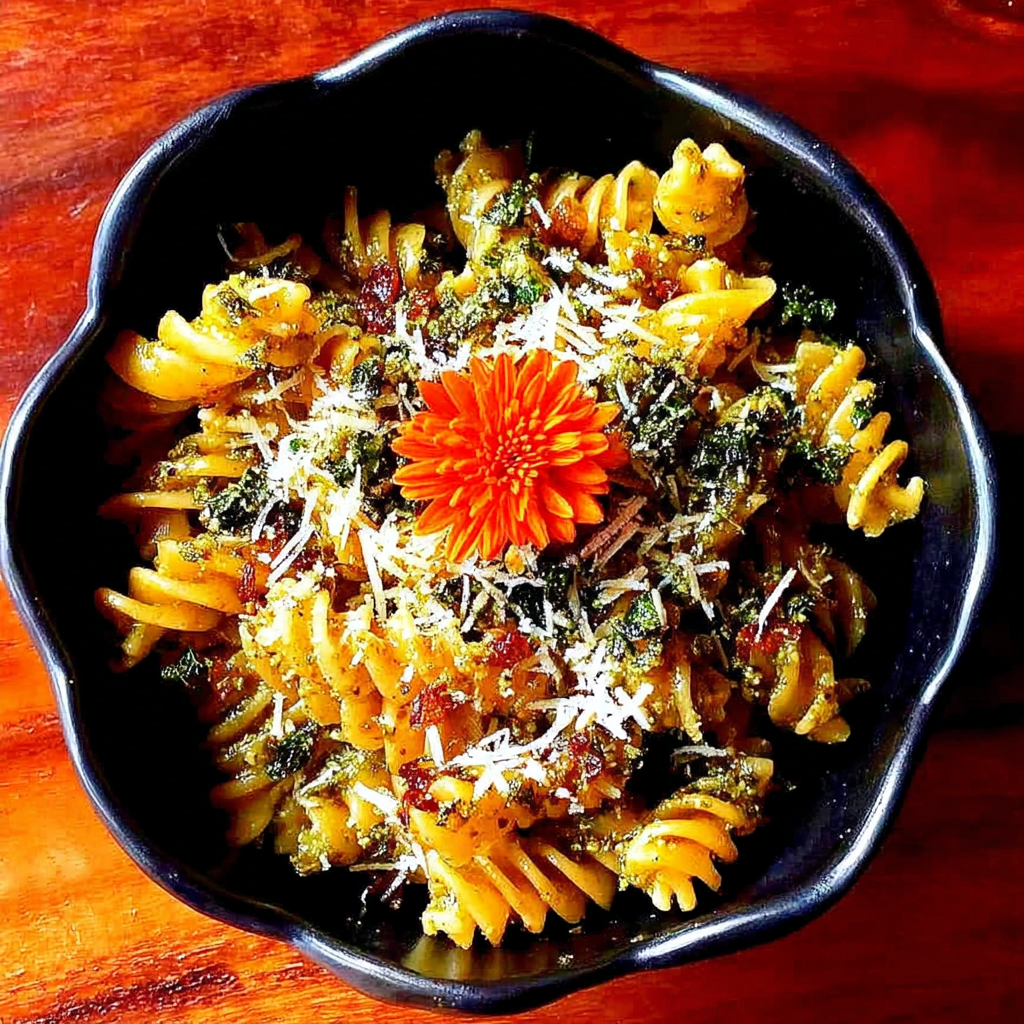
Kale pesto pasta is a vibrant dish that proudly showcases the versatility of this leafy green, transforming it into a luscious sauce. With the added depth of flavors from garlic, nuts, and cheese, this recipe elevates a simple pasta meal into something remarkably special.
This dish not only satisfies the taste buds but also packs a nutritional punch, providing fiber, vitamins, and antioxidants. Perfect for weeknight dinners or impressing friends at a gathering, kale pesto pasta is easy to whip up and full of fresh flavors.
Ingredients
- 3 cups kale leaves, packed
Kale is the star of this sauce, offering a vibrant green color and rich nutritional benefits. It's loaded with vitamins A, C, and K, as well as minerals and antioxidants, making this dish not only tasty but also healthful. - 1/2 cup walnuts or pine nuts
Nuts add a creamy texture and a nutty flavor to the pesto. They also provide healthy fats and protein, which contribute to the overall richness of the dish. - 2 cloves garlic
Garlic infuses the pesto with a robust flavor, enhancing the overall complexity of the dish. It also has health benefits, including anti-inflammatory properties. - 1/2 cup grated Parmesan cheese
Parmesan gives the pesto a savory depth that's hard to resist. It adds creaminess and saltiness, which helps to round out the flavors. - 1/2 cup extra-virgin olive oil
Olive oil acts as the base for the pesto, providing a silky texture and rich flavor. It also contains healthy fats that make the dish more satisfying. - Salt and pepper to taste
Seasoning is crucial in this dish; it enhances the flavors of the other ingredients. A pinch of salt brightens up the basil and kale, while pepper adds a subtle kick. - 12 ounces pasta (spaghetti or your choice)
The pasta serves as the foundation of the dish, absorbing the flavors of the kale pesto. It should ideally be cooked al dente for the best texture.
Directions & Preparation
Step 1: Prepare the pasta according to package instructions.
Cooking the pasta al dente is key to achieving the right texture. This prevents it from becoming mushy and allows it to hold up against the robust kale pesto.
Step 2: While the pasta cooks, make the kale pesto.
Making the pesto while the pasta is cooking saves time. It’s as simple as blending together the kale, nuts, garlic, cheese, and olive oil until smooth. The blend will create a vibrant sauce that clings beautifully to the pasta.
Step 3: Combine the cooked pasta and pesto sauce.
When the pasta is drained, reserving a bit of the pasta water can help achieve the perfect consistency. Tossing the pasta with the kale pesto while it’s hot allows the flavors to meld together beautifully.
Step 4: Season and serve hot, with additional Parmesan if desired.
Taste before serving; this is the moment to adjust the seasoning to your liking. A sprinkle of fresh cheese just before serving enhances the dish's appeal and adds an extra layer of flavor.

Choosing the Right Kale for Your Pesto
When making kale pesto, the type of kale you choose can impact both the flavor and texture. Curly kale offers a classic taste, while Lacinato (or dinosaur) kale has a more subtle, sweet flavor and smoother texture. Be sure to remove the thicker stems for a more pleasant pesto experience.
Exploring Variations of Kale Pesto
This recipe serves as a fantastic base, allowing room for creativity. Try adding fresh herbs like basil or parsley for added freshness. You can also experiment with different nuts, such as almonds or pecans, each bringing a unique flavor profile. Moreover, a squeeze of lemon juice can brighten the sauce even more.
Protein Boost Ideas for Kale Pesto Pasta
For those looking to make this dish heartier, consider adding protein sources. Grilled chicken or shrimp can integrate nicely, providing additional flavor and texture. Vegetarian options could include chickpeas, which would provide a delightful contrast and nutritional benefits.
FAQs
What if my pesto turns out too thick?
If your pesto is too thick, simply add a little more olive oil or a spoonful of reserved pasta water to loosen it up. Blend again until you reach the desired consistency.
Can I use a different type of cheese in the pesto?
Yes, you can substitute Parmesan with other cheeses like Pecorino Romano or nutritional yeast for a dairy-free alternative while still achieving a savory flavor.
How can I enhance the flavor of my pesto if it tastes bland?
If your pesto lacks flavor, try adding more garlic, salt, or a squeeze of lemon juice. Also, ensure you've blended it well to combine all ingredients fully.
What pasta shapes pair best with kale pesto?
While spaghetti is a classic choice, other shapes, such as fusilli or penne, are great as they hold onto the pesto sauce well, allowing for a robust flavor in every bite.
Can I make this dish spicy?
To add some heat, consider mixing in crushed red pepper flakes into the pesto or garnishing it with chili oil before serving.
What can I do if I overcooked the pasta?
If the pasta is overcooked, it’s best to mix it gently with the pesto and serve promptly to prevent it from getting mushy. Adding a bit of crunchy topping like toasted nuts can help add texture.
Conclusion
Kale pesto pasta is not just a meal; it’s a celebration of flavors and nutrition. Its vibrant color and rich taste make it appealing for both the eyes and the palate, creating a delightful dining experience.
Whether enjoyed as a quick weeknight dinner or dressed up for a special occasion, this dish shows how simple ingredients can come together to create something truly satisfying. So, grab some kale and pasta, and let your culinary creativity flow!
Recipe Card
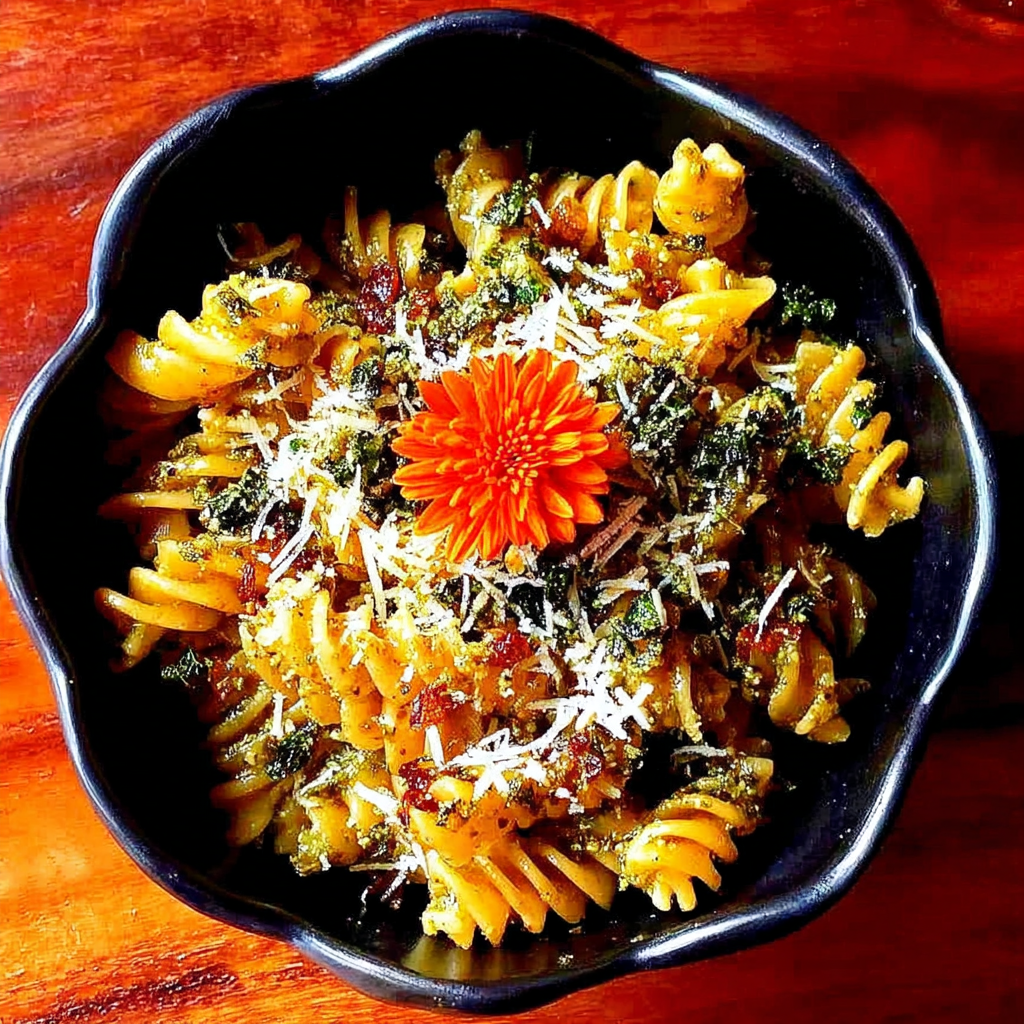
Savoring the Delight of Kale Pesto Pasta
Ingredients
Method
- Prepare the pasta according to package instructions.
- While the pasta cooks, make the kale pesto.
- Combine the cooked pasta and pesto sauce.
- Season and serve hot, with additional Parmesan if desired.
Notes
Additional serving suggestions: pair with a crisp salad, garlic bread, or roasted seasonal vegetables for balance.
For make-ahead, prep components separately and assemble just before heating to preserve texture.
Taste and adjust with acid (lemon/vinegar) and salt right at the end to wake up flavors.