Introduction
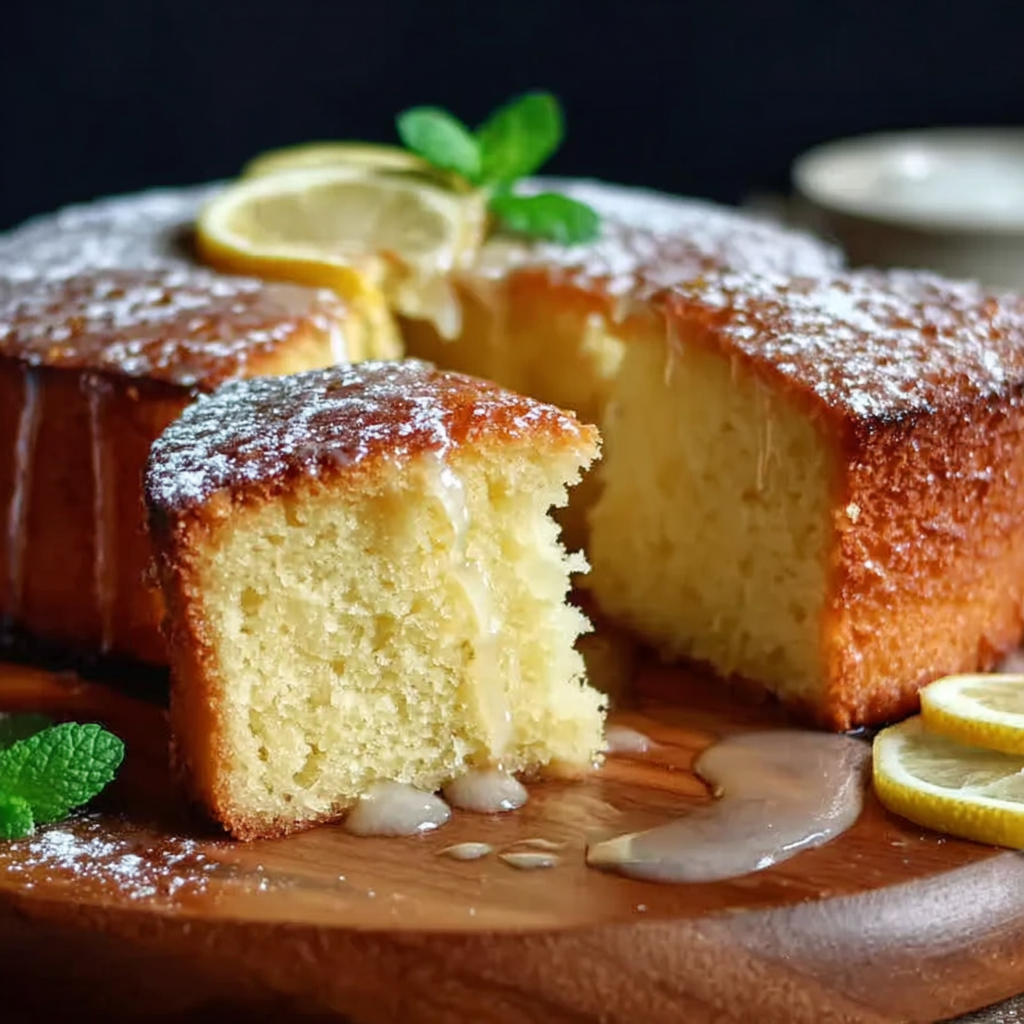
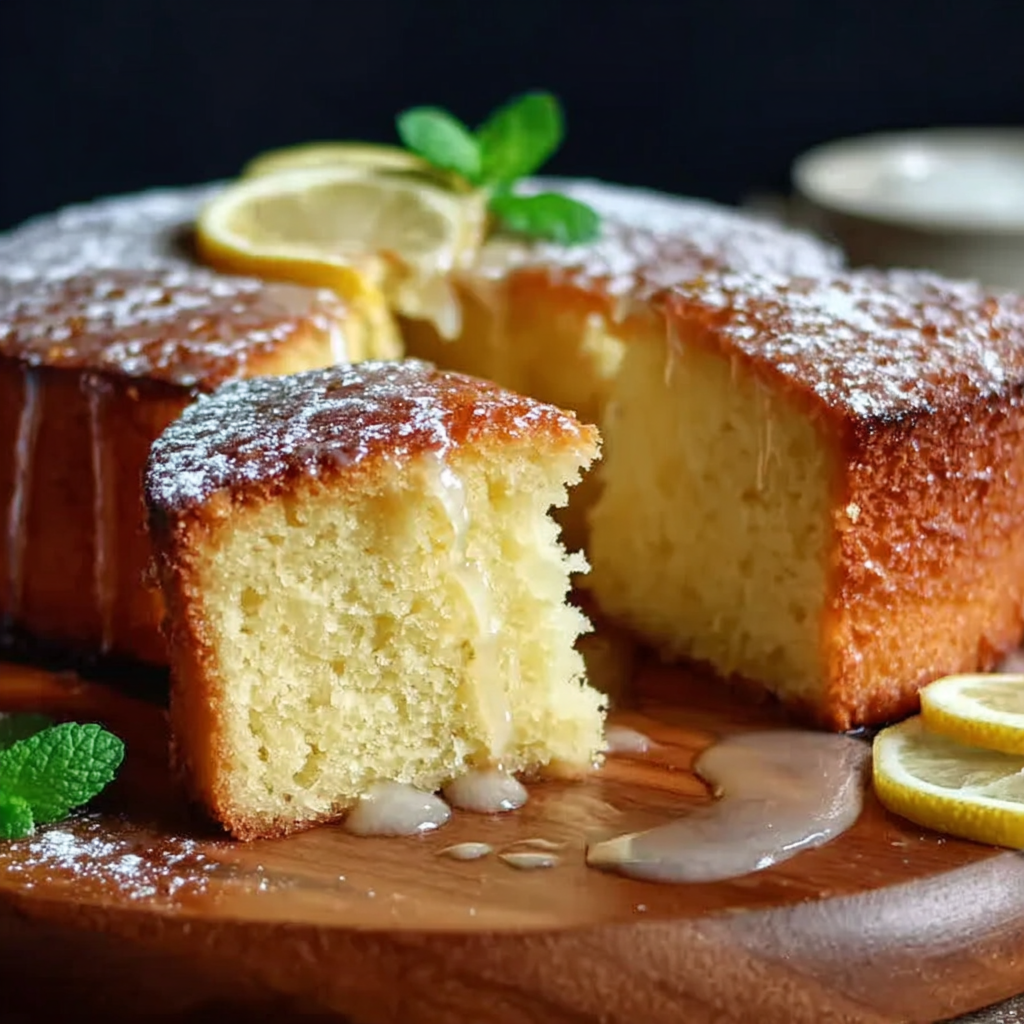
Irish tea cake, a beloved staple in Irish households, combines simplicity with rich flavors. Often enjoyed during afternoon tea, this cake offers a delightful surprise of textures and tastes, making it a perfect companion for a steaming cup of Irish breakfast tea. Its moist crumb and nuanced spices reflect the comforting essence of traditional Irish baking.
At its core, Irish tea cake invites creativity. Whether you prefer a classic approach or wish to add personal touches, this recipe provides a foundation for endless variations. The ingredients work harmoniously to create a cake that’s light yet satisfying, and with just a few adjustments, you can make it uniquely yours.
Ingredients
- 200g all-purpose flour
All-purpose flour serves as the primary structure for the cake, providing the necessary gluten to help it rise. Its fine texture ensures a tender crumb, making the cake light and fluffy. - 100g granulated sugar
Sugar not only sweetens the cake but also contributes to its moisture and overall texture. It interacts with the flour to create a soft crumb and helps form a light crust. - 90g unsalted butter, softened
Butter adds richness and flavor, resulting in a moist cake. It also helps with the emulsification process, ensuring that the batter comes together smoothly. - 2 large eggs
Eggs provide structure and stability to the cake, contributing to its rise and texture. They also add moisture and richness, enhancing the cake's flavor. - 120ml milk
Milk hydrates the dry ingredients, creating a better batter texture. It also adds a subtle creaminess that enhances the overall taste of the cake. - 1 tsp baking powder
Baking powder is a leavening agent that helps the cake rise while baking. It reacts with the moisture and heat to produce carbon dioxide, creating a light, airy texture. - 1 tsp vanilla extract
Vanilla extract adds a warm, aromatic background flavor that enriches the overall taste of the cake. It complements the sweetness and balances the other flavors. - 1/2 tsp ground cinnamon
Cinnamon lends a warm spiciness to the cake, enhancing its comforting profile. Its subtle flavor pairs beautifully with the sweetness of the sugar and richness of the butter. - 1/4 tsp salt
Salt is crucial for balancing flavors. It enhances the sweetness and helps the other ingredients shine, resulting in a more complex taste. - 50g currants or raisins (optional)
Dried fruits like currants or raisins add natural sweetness and texture, providing little bursts of flavor throughout the cake. They also echo traditional recipes.
Directions & Preparation
Step 1: Preheat your oven to 350°F (175°C) and prepare a baking pan.
Preheating the oven ensures that the cake bakes evenly right from the start. A well-prepared pan, whether greased or lined with parchment, will prevent the cake from sticking, allowing for a clean release once baked.
Step 2: In a large mixing bowl, cream the softened butter and sugar until light and fluffy.
Creaming the butter and sugar is essential for incorporating air into the batter, which helps the cake rise during baking. This process also aids in creating a smooth texture which is the hallmark of a well-made cake.
Step 3: Add the eggs one at a time, mixing well after each addition.
Incorporating the eggs gradually helps to emulsify the batter, creating a stable mixture. This step is important for maintaining the cake's structure and ensuring an even distribution of moisture throughout.
Step 4: Stir in the vanilla extract and cinnamon, mixing well to combine.
Adding these flavors at this stage helps them to blend thoroughly into the batter. The vanilla and cinnamon will infuse the cake with delightful aroma and flavor, contributing significantly to the final taste.
Step 5: In a separate bowl, whisk together the flour, baking powder, and salt.
Whisking the dry ingredients together before combining them with the wet ensures an even distribution of the leavening agent and salt, promoting a consistent rise and flavor throughout the cake.
Step 6: Gradually fold the dry ingredients into the wet mixture, alternating with milk.
This step is crucial to avoid overmixing, which can lead to a dense cake. Alternating between the dry ingredients and milk allows the batter to maintain its lightness while achieving the right consistency.
Step 7: If desired, fold in the currants or raisins gently.
Gently folding in the dried fruit helps to distribute them without breaking them down. This enhances the texture and adds pops of sweetness throughout the cake.
Step 8: Pour the batter into the prepared baking pan and smooth the top.
Smoothing the top creates an even cake surface that not only looks appealing but also bakes evenly. Ensuring the batter is at the right level in the pan also allows for proper rising.
Step 9: Bake for 30-35 minutes or until a toothpick inserted into the center comes out clean.
Properly timing the baking is essential for achieving a moist cake. Checking doneness with a toothpick helps determine if the cake is still wet in the center, guiding you on when to pull it from the oven.
Step 10: Let the cake cool in the pan for 10 minutes before transferring it to a wire rack.
Cooling in the pan helps it set and maintain its shape as it finishes baking. Transferring to a wire rack allows air to circulate around it, preventing sogginess.

Capturing the Heart of Tradition
Irish tea cake isn’t just a treat; it’s a symbol of hospitality and warmth often served to guests. Family gatherings or simple afternoon teas generally feature this soft delight, reflecting the cultural importance of sharing food. Making this cake yourself allows you to bring a piece of Irish tradition into your home and share it with family and friends.
Personalizing Your Cake Experience
The beauty of an Irish tea cake is its versatility. While currants and raisins add traditional flair, you can experiment with flavors and mix-ins. Try adding citrus zest for brightness or choose spices like nutmeg for a unique twist. Each iteration not only modernizes the cake but allows for personal expressions of taste.
The Perfect Pair: Tea and Cake
Pairing the Irish tea cake with the right tea elevates the experience. Traditional Irish breakfast tea, with its robust flavor, complements the cake’s sweetness beautifully. Consider serving it with a freshly brewed cup for a truly authentic experience that mirrors the rich traditions of Irish culture around the tea table.
FAQs
What should I do if my cake doesn't rise properly?
If your cake doesn't rise, the baking powder may be expired or the butter and sugar not creamed adequately. Ensure you are also not overmixing during the flour incorporation.
How can I make the cake a bit more moist?
You can increase moisture by adding a tablespoon of sour cream or yogurt to the batter, which will enhance the texture without overpowering the cake's flavor.
Can I add nuts to the batter?
Absolutely! Chopped walnuts or hazelnuts can be folded into the batter for added texture and flavor. Just ensure they are evenly distributed.
What type of tea is best to serve with Irish tea cake?
A strong black tea, such as Irish breakfast or Earl Grey, enhances the cake's sweetness and complements its flavors perfectly.
What if my cake comes out too sweet?
If you find the cake too sweet, consider reducing the sugar by 25g. Additionally, adding a pinch of lemon juice can help balance the sweetness.
How can I scale this recipe for a larger gathering?
To scale the recipe up, keep the ratios the same while multiplying the ingredient amounts. Just ensure you adjust the baking time and check for doneness appropriately.
Conclusion
Making Irish tea cake is a satisfying experience, blending tradition with your personal touch. Each slice, soft and aromatic, serves as a reminder of the warmth and hospitality deeply rooted in Irish culture.
This classic recipe is not just about creating a cake; it's about crafting moments. Share it with friends, enjoy it with tea, and relish the taste of Ireland at your table.
Recipe Card
Savoring Tradition: The Delight of Irish Tea Cake
Ingredients
Method
- Preheat your oven to 350°F (175°C) and prepare a baking pan.
- In a large mixing bowl, cream the softened butter and sugar until light and fluffy.
- Add the eggs one at a time, mixing well after each addition.
- Stir in the vanilla extract and cinnamon, mixing well to combine.
- In a separate bowl, whisk together the flour, baking powder, and salt.
- Gradually fold the dry ingredients into the wet mixture, alternating with milk.
- If desired, fold in the currants or raisins gently.
- Pour the batter into the prepared baking pan and smooth the top.
- Bake for 30-35 minutes or until a toothpick inserted into the center comes out clean.
- Let the cake cool in the pan for 10 minutes before transferring it to a wire rack.
Notes
Additional serving suggestions: pair with a crisp salad, garlic bread, or roasted seasonal vegetables for balance.
For make-ahead, prep components separately and assemble just before heating to preserve texture.
Taste and adjust with acid (lemon/vinegar) and salt right at the end to wake up flavors.