Introduction
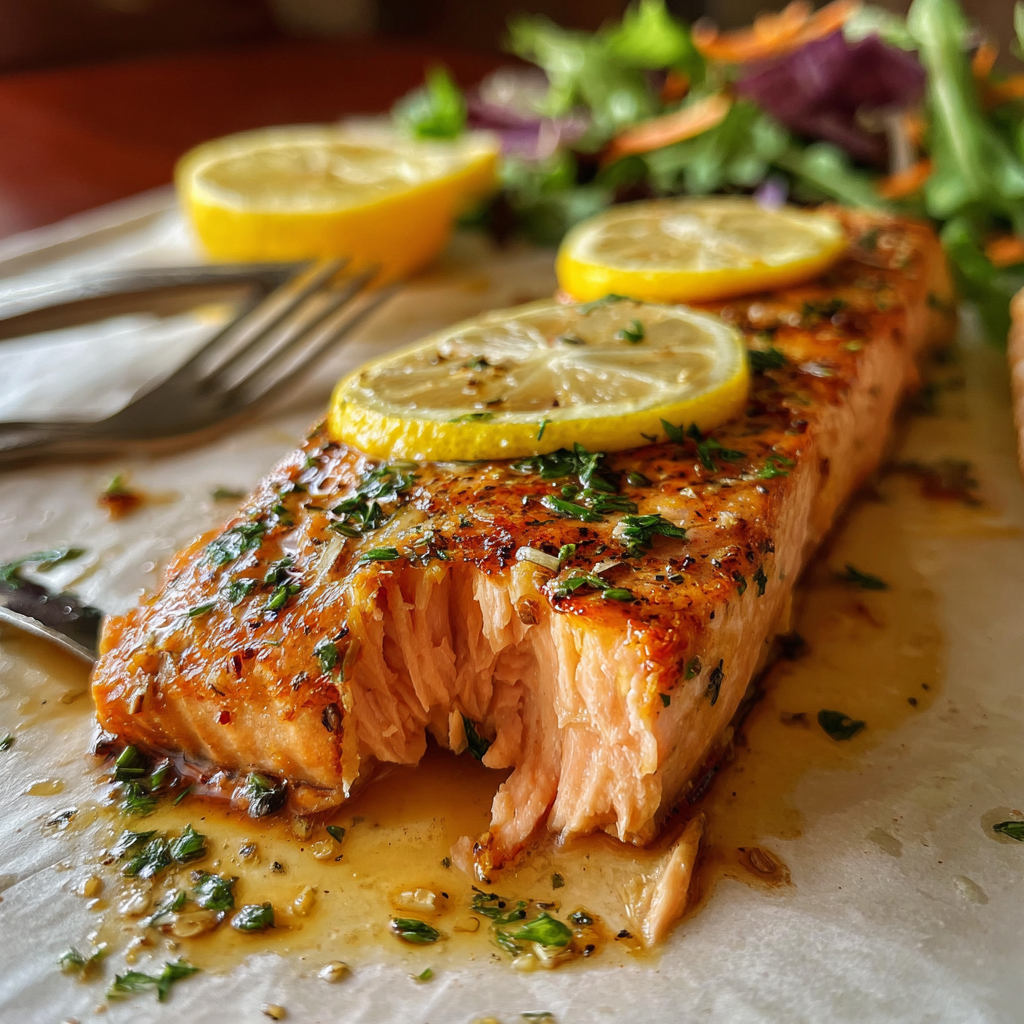
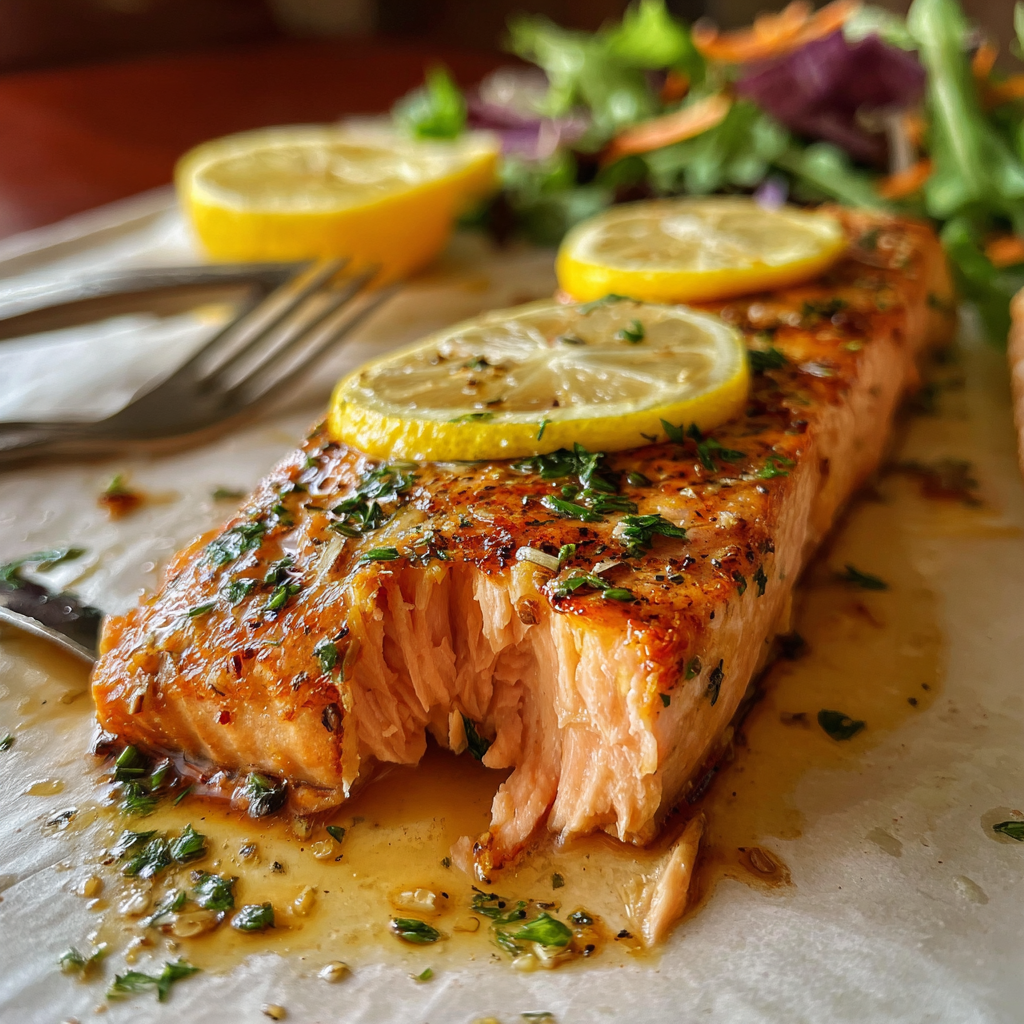
Baked Dijon salmon is a delightful dish that marries the rich flavors of salmon with the sharp tang of Dijon mustard. This simple yet elegant recipe is perfect for weeknight dinners or special occasions, proving that you don't need a gourmet kitchen to create something truly remarkable.
The combination of Dijon mustard, herbs, and a hint of honey elevates the natural taste of the salmon, creating a beautifully balanced flavor profile. Coupled with the ease of preparation, this dish makes for an appealing choice for both novice cooks and seasoned culinary enthusiasts.
Ingredients
- 2 salmon fillets (6 oz each)
Salmon is the star of this dish, rich in healthy omega-3 fatty acids and protein. Choosing fresh, high-quality salmon enhances the overall flavor and texture. - 2 tablespoons Dijon mustard
Dijon mustard adds depth and a sharp, tangy flavor that complements the richness of the salmon. It's also a binding agent that helps the other flavors adhere to the fish. - 1 tablespoon honey
Honey balances the acidity of the mustard, adding a subtle sweetness that enhances the overall taste harmony in the dish. - 1 tablespoon olive oil
Olive oil is crucial for moisture, helping to keep the salmon tender during baking. It also contributes healthy fats and a slight fruitiness that complements the other ingredients. - 1 teaspoon dried thyme
Dried thyme brings a warm, earthy note that pairs perfectly with salmon. It adds a layer of aroma and flavor without overpowering the dish. - Salt and pepper to taste
Seasoning with salt and pepper is essential for enhancing the natural flavors of the salmon and the rest of the ingredients. - 1 lemon, sliced (for garnish)
Lemon adds brightness and freshness to the dish. It is often used as a garnish to provide an additional zing when served.
Directions & Preparation
Step 1: Preheat your oven to 375°F (190°C).
Preheating the oven ensures that the salmon cooks evenly from the start. A properly heated oven helps achieve a perfect texture, allowing the fish to cook through without becoming dry.
Step 2: Prepare a baking dish by lightly greasing it with olive oil.
Greasing the baking dish prevents the salmon from sticking to the bottom, making serving easier and ensuring that the skin can crisp up beautifully if left on.
Step 3: In a small bowl, mix together the Dijon mustard, honey, olive oil, dried thyme, salt, and pepper.
Combining these ingredients creates a marinade that will coat the salmon, infusing it with flavor. Mixing them beforehand ensures an even distribution, ensuring every bite is flavorful.
Step 4: Place the salmon fillets in the prepared baking dish, skin-side down.
Arranging the salmon skin-side down prevents the delicate flesh from breaking apart during cooking. It also allows for even cooking and helps the skin crisp if left on.
Step 5: Spread the mustard mixture evenly over the top of each salmon fillet.
This step is vital for flavor as the mustard and honey blend creates a delicious crust that caramelizes during baking, enhancing the taste and presentation of the dish.
Step 6: Bake in the preheated oven for 15-20 minutes, or until the salmon flakes easily with a fork.
Baking time may vary based on the thickness of your fillets. Checking for flake-ability indicates doneness; overcooking can lead to a dry texture, so watch closely.
Step 7: Remove from the oven and let rest for a few minutes before serving.
Resting allows the juices to redistribute, keeping the salmon moist. This brief pause before serving enhances the overall experience by providing a better texture.
Step 8: Garnish with lemon slices before serving.
Adding lemon just before serving gives a fresh burst of flavor, enhancing the dish’s overall brightness. It also offers an appealing visual contrast in presentation.

Flavor Layering with Dijon Mustard
Dijon mustard isn’t just a seasoning; it acts as a flavor base that interacts beautifully with the salmon's natural richness. By mixing it with honey and olive oil, you create a balanced marinade that penetrates the fish, adding complexity. The mustard's tang helps cut through the richness of the salmon, making each bite simultaneously satisfying and refreshing.
Perfect Pairing: Herbs and Honey
The choice of thyme alongside honey in this recipe is intentional. Thyme adds an earthiness that balances the sweet notes of honey while enhancing the dish's savory character. When this mixture caramelizes during baking, it creates a tantalizing crust that not only boosts flavor but also provides a lovely contrast in textures.
Serving Suggestions for Baked Dijon Salmon
While baked Dijon salmon shines on its own, pairing it with vibrant sides can bring the meal together. Consider serving it alongside roasted vegetables, a fresh salad, or creamy mashed potatoes. Each option allows the salmon's flavors to stand out while contributing to a wholesome dining experience.
FAQs
What should I do if the mustard mixture is too thick?
If your mustard mixture is too thick to spread easily, you can thin it out with a bit more olive oil or warm it slightly in the microwave to achieve a smoother consistency.
Why does my salmon taste bland?
If your salmon tastes bland, it may need more seasoning. Ensure you’re using fresh ingredients and adjust the salt and pepper levels to your preference before cooking.
Can I use another type of fish for this recipe?
Yes, you can use other fish such as trout or tilapia, but be mindful that different fish have varying cooking times and flavors that may alter the dish.
How do I know if my salmon is overcooked?
Overcooked salmon will be dry and flaky excessively. Watch for a loss of transparency in the flesh; ideally, it should be slightly opaque and flake gently with a fork.
Can I increase the amount of glaze without overdoing it?
You can increase the glaze proportionally for additional flavor, but ensure it still adheres well to the fillets to avoid a watery texture.
Is there a way to add more acidity to the dish?
To introduce more acidity, consider adding a splash of vinegar to the mustard mixture or serving with a drizzle of balsamic reduction alongside the salmon.
Conclusion
Baked Dijon salmon is a versatile dish that thrives in its simplicity, making it a staple in many home kitchens. Its blend of flavors is not just about nourishment—it's about bringing joy to the table and creating a memorable dining experience.
Whether you're cooking for a special occasion or a simple weeknight meal, this recipe is sure to impress. Embrace the process, enjoy each step, and savor the delicious results that await you.
Recipe Card
Savory Baked Dijon Salmon Recipe for Home Cooks
Ingredients
Method
- Preheat your oven to 375°F (190°C).
- Prepare a baking dish by lightly greasing it with olive oil.
- In a small bowl, mix together the Dijon mustard, honey, olive oil, dried thyme, salt, and pepper.
- Place the salmon fillets in the prepared baking dish, skin-side down.
- Spread the mustard mixture evenly over the top of each salmon fillet.
- Bake in the preheated oven for 15-20 minutes, or until the salmon flakes easily with a fork.
- Remove from the oven and let rest for a few minutes before serving.
- Garnish with lemon slices before serving.
Notes
Additional serving suggestions: pair with a crisp salad, garlic bread, or roasted seasonal vegetables for balance.
For make-ahead, prep components separately and assemble just before heating to preserve texture.
Taste and adjust with acid (lemon/vinegar) and salt right at the end to wake up flavors.