Introduction
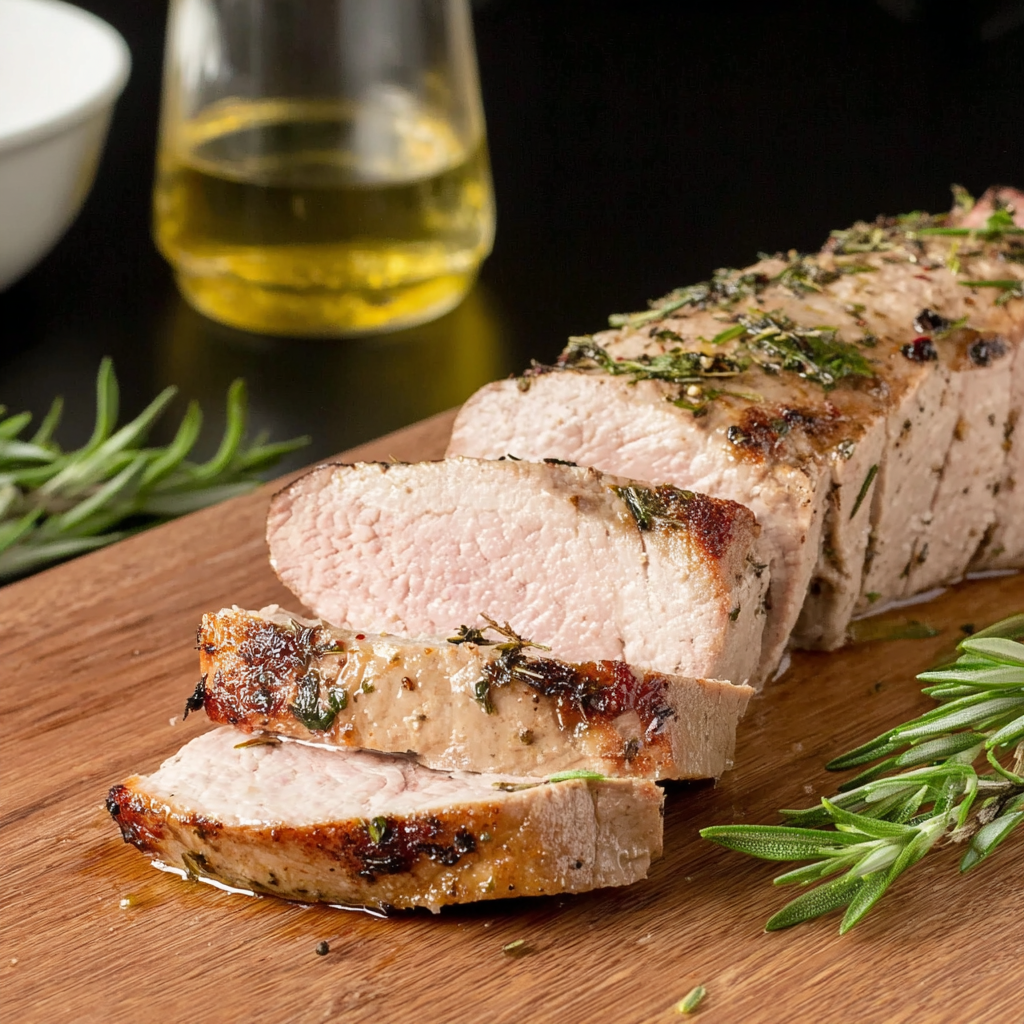
Pork tenderloin is one of those cuts that delivers incredible flavor without requiring extensive culinary skills. Its natural tenderness makes it a favorite for both novice and seasoned cooks. Roasting it with a medley of fresh herbs elevates its taste and creates a delightful aroma in your kitchen.
In this recipe, we're focusing on simplicity and the satisfaction derived from serving a perfectly roasted tenderloin. Paired with herbs, garlic, and a touch of sea salt, this dish offers fresh, vibrant flavors that can easily become a weeknight staple. Let’s dive into the essential components and preparation of this delicious meal.
Ingredients
- 1.5 lbs pork tenderloin
Pork tenderloin is a lean cut of meat that remains juicy and tender when cooked properly. Its mild flavor acts as a perfect canvas for herbs and spices, absorbing their aromas to create a delectable main dish. - 2 tablespoons olive oil
Olive oil adds moisture to the pork and aids in herb adhesion. It also enhances the overall flavor while contributing healthy fats that make the dish richer. - 2 tablespoons fresh rosemary, chopped
Rosemary imparts a fragrant, earthy note that complements the pork beautifully. Its strong flavor stands up well to the meat, providing an aromatic experience in every bite. - 2 tablespoons fresh thyme, chopped
Thyme introduces a soft, minty flavor that balances the richness of the pork. It enhances the dish's complexity without overpowering the other ingredients. - 4 cloves garlic, minced
Garlic infuses a robust essence to the meat, creating a savory sensation. It caramelizes during roasting, further deepening the flavors and enhancing the aroma. - 1 teaspoon sea salt
Sea salt is crucial for seasoning the pork, enhancing its natural flavors. The salt also aids in drawing out moisture, resulting in a tender and flavorful roast. - 1/2 teaspoon black pepper
Black pepper adds a mild heat and depth to the dish, rounding out the flavors. It brings a bit of warmth that contrasts nicely with the herbs. - 1 tablespoon Dijon mustard
Dijon mustard forms a delicious glaze, adding both tanginess and complexity to the marinade. It helps in creating a crust that locks in juices during cooking.
Directions & Preparation
Step 1: Preheat your oven to 425°F (220°C).
Preheating the oven is vital to ensure that the pork tenderloin starts cooking immediately once placed inside. This helps in achieving a perfect crust on the outside while keeping the inside succulent.
Step 2: Prepare the herb mixture by combining rosemary, thyme, garlic, salt, pepper, and mustard in a bowl.
Mixing the herbs and spices in a bowl creates a uniform blend that can be easily applied to the pork. This step ensures that every part of the meat is well-seasoned, enhancing the overall flavor profile.
Step 3: Rub the olive oil over the pork tenderloin, then coat it with the herb mixture evenly.
Applying olive oil first allows the herb mixture to stick effectively to the tenderloin. This ensures maximum flavor infusion as the meat roasts, creating a beautifully herb-crusted exterior.
Step 4: Place the coated tenderloin on a roasting pan or baking sheet.
Choosing a suitable roasting pan is crucial for even cooking. The pan allows the heat to circulate around the meat, promoting even browning and preventing steam accumulation.
Step 5: Roast the pork tenderloin for 25-30 minutes or until it reaches an internal temperature of 145°F (63°C).
Monitoring the internal temperature is essential to avoid overcooking the tenderloin. Cooking to exactly 145°F results in juicy pork that is safe to eat without being dry.
Step 6: Remove the pork from the oven and let it rest for 10 minutes before slicing.
Resting the pork allows the juices to redistribute throughout the meat, ensuring each slice is tender and moist. Skipping this step may result in lost juices and a drier end product.
Step 7: Slice and serve with your favorite sides.
Slicing the pork tenderloin into medallions enhances its presentation and allows the flavors to shine through. Pair it with light, fresh sides to complement the rich herb flavors.

Selecting the Right Cut
When choosing your pork tenderloin, look for a piece that has a nice pink color with minimal fat. A good cut will be firm to the touch and have a thin layer of fat on one side, which adds flavor as it renders during cooking. Avoid pieces that appear pale or have excessive marbling, as these may result in a less enjoyable texture.
Marinating for Flavor Depth
For those who have extra time, consider marinating the pork in the herb mixture overnight. This not only enhances the flavor deeply within the meat but also tenderizes it, resulting in a mouthwatering roast. If marinating, remember to remove the pork from the fridge about 30 minutes prior to cooking to bring it to room temperature for even cooking.
Serving Suggestions
This robustly flavored pork tenderloin pairs beautifully with sides that provide contrast, such as roasted vegetables or a crisp salad. Consider serving it alongside a citrus-based sauce or a light vinaigrette to brighten the dish. This harmony of flavors ensures a well-rounded meal that impresses without overwhelming.
FAQs
What should I do if my pork tenderloin is overcooked?
If your pork is overcooked and dry, serve it with a sauce or gravy to add moisture. A cream-based or broth-based sauce can help reclaim some juiciness.
Can I adjust the amount of herbs for this recipe?
Yes, you can scale the amount of herbs according to taste. If you prefer a milder flavor, reduce the quantities, or experiment with other herbs like sage or parsley.
What if my pork tenderloin is thicker than 1.5 lbs?
If you have a larger pork tenderloin, adjust the cooking time accordingly. Aim for an additional 5–10 minutes per pound, always checking for an internal temperature of 145°F.
How can I ensure my herb crust is crispy?
To achieve a crispy herb crust, ensure your pork is well-coated with olive oil and the herb mix. Starting off at a higher oven temperature helps form a delicious crust.
Can I use dried herbs instead of fresh ones?
You can substitute dried herbs for fresh, using one-third the amount, since dried herbs are more concentrated. However, fresh herbs lend a vibrant flavor that enhances the dish significantly.
What should I serve with this pork dish?
This pork tenderloin pairs well with a variety of sides, such as garlic mashed potatoes, roasted Brussels sprouts, or a refreshing coleslaw.
Conclusion
This Simple Herb Roasted Pork Tenderloin is a celebration of fresh flavors and straightforward preparation, perfect for a family meal or an intimate dinner. Its juicy interior and flavorful crust invite anyone to enjoy a comforting home-cooked dish.
By leveraging simple ingredients and techniques, you can create a meal that feels both special and accessible. Now, gather your ingredients and savor the delightful experience of roasting a perfectly seasoned pork tenderloin!
Recipe Card
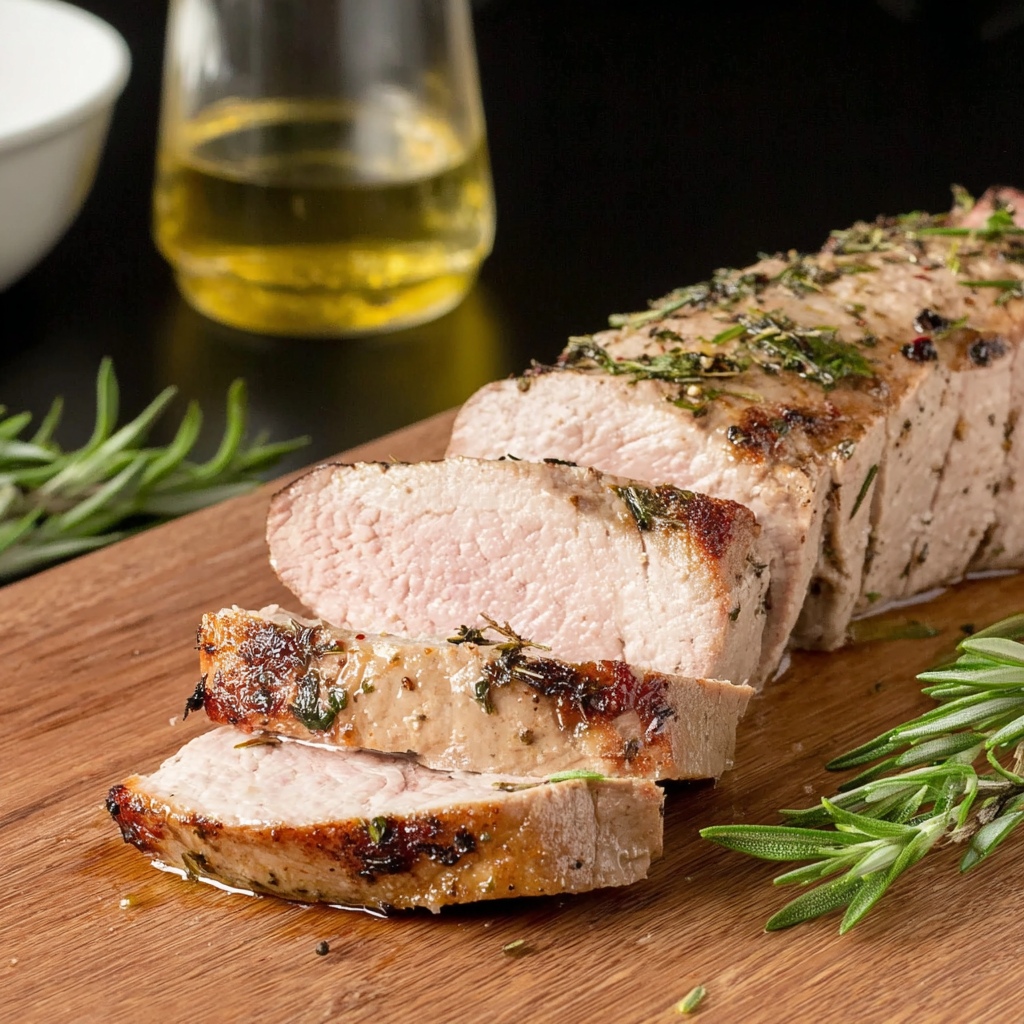
Savory Herb Roasted Pork Tenderloin Recipe
Ingredients
Method
- Preheat your oven to 425°F (220°C).
- Prepare the herb mixture by combining rosemary, thyme, garlic, salt, pepper, and mustard in a bowl.
- Rub the olive oil over the pork tenderloin, then coat it with the herb mixture evenly.
- Place the coated tenderloin on a roasting pan or baking sheet.
- Roast the pork tenderloin for 25-30 minutes or until it reaches an internal temperature of 145°F (63°C).
- Remove the pork from the oven and let it rest for 10 minutes before slicing.
- Slice and serve with your favorite sides.
Notes
Additional serving suggestions: pair with a crisp salad, garlic bread, or roasted seasonal vegetables for balance.
For make-ahead, prep components separately and assemble just before heating to preserve texture.
Taste and adjust with acid (lemon/vinegar) and salt right at the end to wake up flavors.