Introduction
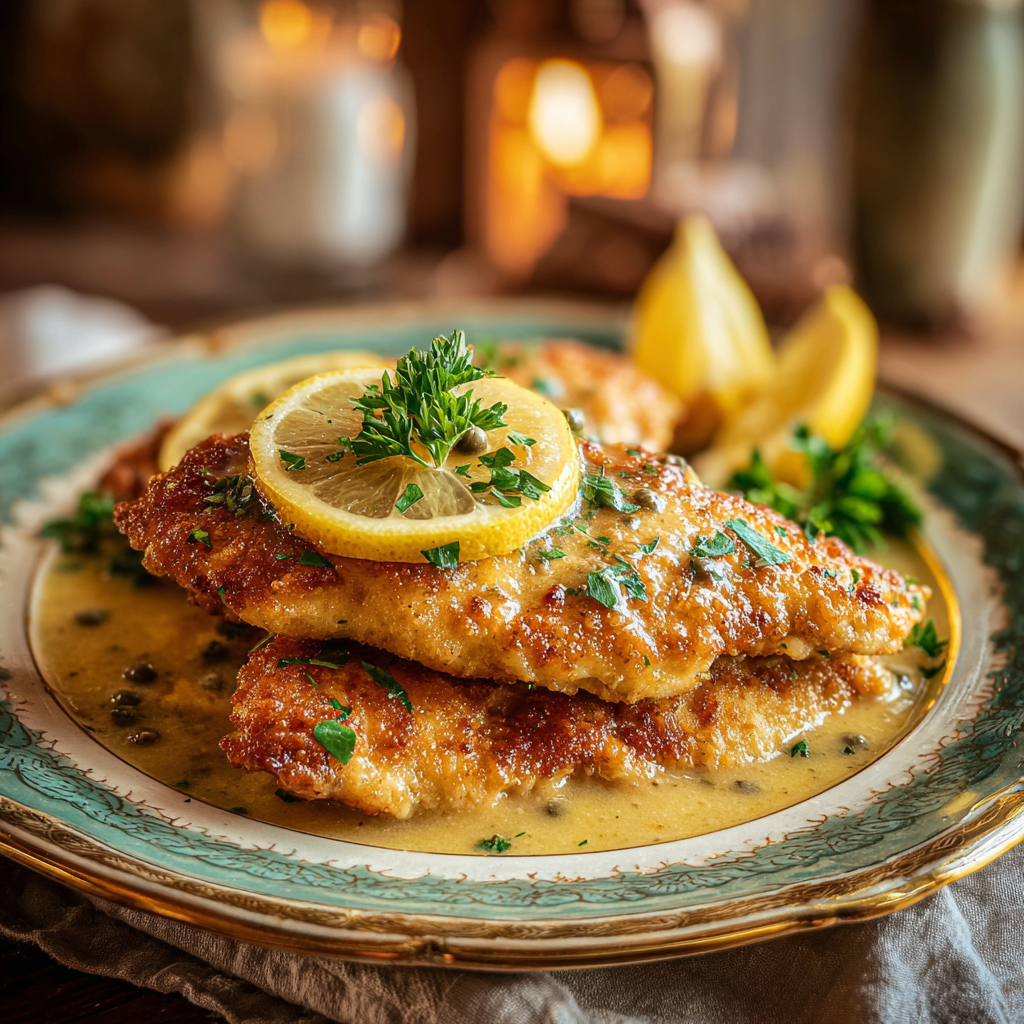
Chicken Piccata is a timeless Italian dish that resonates with home cooks for its tantalizing flavor profile and simplicity. The combination of tender chicken, zesty lemon, and briny capers creates a refreshing dish that can elevate any weeknight meal while feeling restaurant-quality.
Originating from the Italian word 'piccare,' meaning 'to pierce,' chicken piccata is traditionally made with veal, although chicken has become the more popular choice in many kitchens. This dish is all about balance; the tartness of the lemon and the saltiness of the capers need to be perfectly harmonized for the ultimate experience.
Ingredients
- 4 boneless, skinless chicken breasts
Chicken breasts provide the base for this dish, offering a lean protein that tenderizes beautifully when pounded thin. Their mild flavor makes them a perfect canvas for the vibrant sauces you'll create. - 1 cup all-purpose flour
Flour not only adds a delicate coating to the chicken but also helps achieve a nice golden crust when sautéed. It acts as a binding agent for the seasonings, enhancing the chicken's flavor. - Salt and pepper to taste
Seasoning is key in this recipe; it elevates the overall flavor profile of the dish. A light sprinkle of salt and pepper on the chicken before cooking ensures that every bite is well-seasoned. - 1/4 cup olive oil
Olive oil is essential for frying the chicken, providing flavor and helping to achieve a crispy texture. It also adds richness to the sauce later on. - 1/2 cup white wine
White wine forms the base of the sauce, contributing acidity and depth of flavor that enhances the dish. Choose a dry wine for the best results. - 1/2 cup chicken broth
Chicken broth adds moisture and a savory taste, complementing the flavors of the wine and lemon in the sauce. - 1/4 cup freshly squeezed lemon juice
Lemon juice brings a bright, citrusy note that is crucial for balancing the richness of the chicken. It also helps to tenderize the meat. - 2 tablespoons capers, rinsed
Capers contribute a salty, briny flavor that cuts through the richness of the dish. Their unique taste adds complexity to the overall flavor profile. - 2 tablespoons fresh parsley, chopped
Fresh parsley not only adds a pop of color to the dish but also brings a fresh, herbal note that ties the flavors together beautifully.
Directions & Preparation
Step 1: Prepare the chicken breasts by pounding them to an even thickness.
Pounding the chicken breasts ensures they cook evenly, which prevents the outer layers from overcooking while the insides remain underdone. Use a meat mallet or rolling pin, placing the chicken between two sheets of plastic wrap to keep things tidy. Aim for about 1/2 inch in thickness for optimal results.
Step 2: Season the chicken with salt and pepper, then coat with flour.
Seasoning is fundamental to enhance the inherent flavor of the chicken. After applying salt and pepper to taste, the flour coating not only creates a textural contrast but also helps the chicken develop a crust when sautéed. Dust off any excess flour to ensure a perfect sear.
Step 3: Heat olive oil in a skillet over medium heat, then cook the chicken.
Setting the right heat is crucial; too hot and the chicken will burn, too low and it will get soggy. Sauté the chicken for about 4-5 minutes on each side until golden brown and cooked through, achieving that desired crispy exterior while locking in juices.
Step 4: Remove the chicken and set aside; prepare the sauce in the same skillet.
Leaving the browned bits in the pan after cooking the chicken adds depth to the sauce. Deglazing with white wine helps lift these flavorful bits off the bottom while adding its own acidity. Scrape the pan well to maximize flavor as you create the sauce.
Step 5: Add chicken broth, lemon juice, and capers to the pan.
Integrating the broth and lemon juice not only creates more volume in the sauce but also pairs beautifully with the wine, creating a balanced profile. The capers add bursts of flavor, their brininess contrasting beautifully with the rich, buttery sauce.
Step 6: Return the chicken to the pan, simmer briefly to meld flavors.
Simmering the chicken in the sauce for a few minutes allows it to absorb the wonderful citrus and salty flavors, enhancing both taste and tenderness. Baste the chicken with sauce to ensure even coverage and maximized flavor.
Step 7: Finish with chopped parsley before serving.
Fresh parsley brightens the dish aesthetically and flavor-wise, offering a refreshing herbal note that complements the rich sauce. Sprinkle it just before serving for vibrancy and a pop of color on your plate.

Choosing the Right Wine for Chicken Piccata
Selecting your wine can significantly impact the overall flavor of your chicken piccata. Opt for a dry white wine like Sauvignon Blanc or Pinot Grigio, as these varieties will add acidity and complement the lemon and capers. Avoid overly sweet wines, as they can skew the dish's delicate balance.
The Importance of Fresh Ingredients
Utilizing fresh ingredients is key to maximizing flavor in chicken piccata. Freshly squeezed lemon juice not only tastes better than bottled but also enhances the dish's brightness. Likewise, fresh parsley will provide an unmatched aroma and color, transforming your meal from ordinary to extraordinary.
Experimenting with Variations
Once you've mastered classic chicken piccata, feel free to experiment with variations. Consider adding a touch of cream for a richer sauce, or substitute the chicken with fish for a lighter option. Each tweak can yield exciting results while still capturing the essence of the original dish.
FAQs
What if my sauce is too thick?
If your sauce becomes too thick, simply add a splash of chicken broth or water while stirring to reach your desired consistency. Taste and adjust the seasoning as needed.
I find the dish too bland; how can I elevate the flavor?
Consider increasing the amount of salt, lemon juice, or capers, as these ingredients provide vital flavor. Additionally, adding an herb like thyme or even a pinch of red pepper flakes can create more depth.
Can I make a larger batch for a crowd?
Yes, you can scale the recipe easily. Just ensure you have a larger pan or cook in batches so that the chicken pieces don't overcrowd, which can cause steaming rather than browning.
Is it necessary to rinse capers before using?
Yes, rinsing capers removes excess salt and brine, ensuring they don't overpower your dish. This step is crucial for achieving a balanced flavor.
What sides pair well with Chicken Piccata?
Chicken piccata pairs beautifully with simple sides like garlic mashed potatoes, steamed asparagus, or a light salad that balances the richness of the dish, allowing the flavors to shine.
Can I use boneless chicken thighs instead of breasts?
Absolutely! Boneless chicken thighs can add more flavor and moisture to the dish. Adjust the cooking time, as thighs may take a bit longer to cook through.
Conclusion
Chicken Piccata is a stunning dish that beautifully combines simplicity with sophistication. With its vibrant flavors and easy preparation, it’s a go-to recipe that can impress at dinner parties or satisfy a family craving with little fuss.
As you cook, embrace the spirit of improvisation—don’t hesitate to experiment with flavors and make the recipe your own. Enjoy every bite knowing that you’ve created a meal bursting with fresh, zesty goodness.
Recipe Card
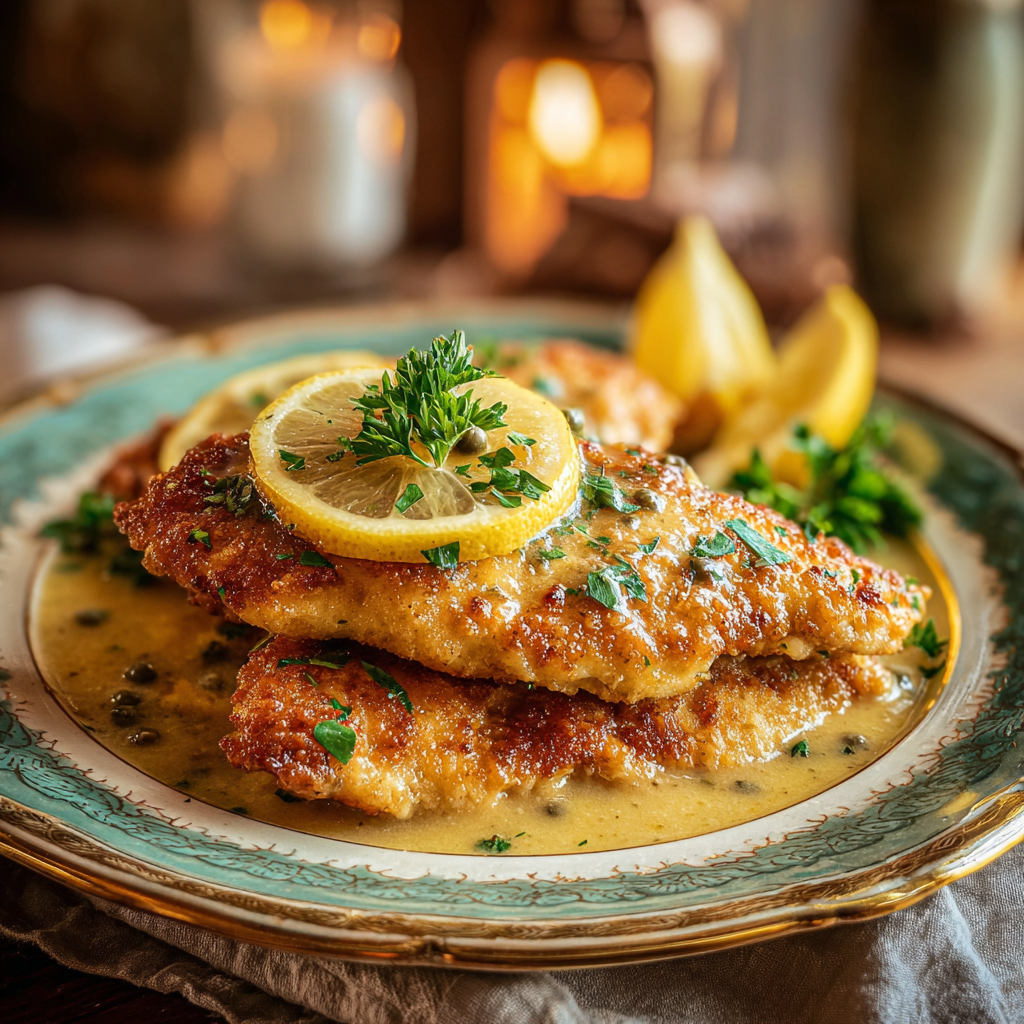
The Delicate Balance of Flavors in Chicken Piccata
Ingredients
Method
- Prepare the chicken breasts by pounding them to an even thickness.
- Season the chicken with salt and pepper, then coat with flour.
- Heat olive oil in a skillet over medium heat, then cook the chicken.
- Remove the chicken and set aside; prepare the sauce in the same skillet.
- Add chicken broth, lemon juice, and capers to the pan.
- Return the chicken to the pan, simmer briefly to meld flavors.
- Finish with chopped parsley before serving.
Notes
Additional serving suggestions: pair with a crisp salad, garlic bread, or roasted seasonal vegetables for balance.
For make-ahead, prep components separately and assemble just before heating to preserve texture.
Taste and adjust with acid (lemon/vinegar) and salt right at the end to wake up flavors.