Introduction
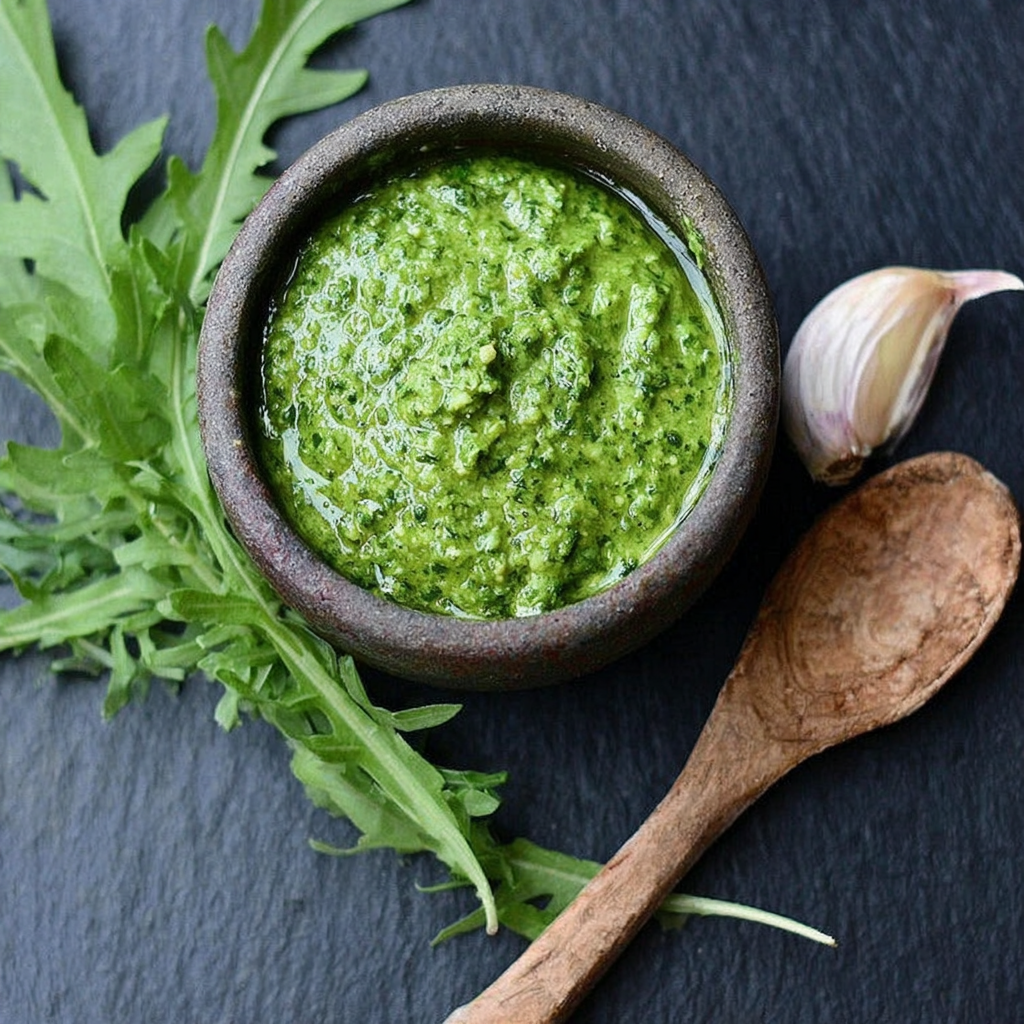
Dandelion greens, often dismissed as weeds, offer a unique flavor and myriad health benefits. For home cooks seeking to reimagine the use of common garden plants, dandelion pesto presents a delicious solution. Integrating these greens into a classic Italian staple, this vibrant pesto captures the essence of leafy herbs while introducing a slightly bitter undertone that complements various dishes.
Using dandelions not only enhances culinary creativity, it also promotes sustainability. Harvesting wild greens reduces food waste and connects you more intimately with nature. Making dandelion pesto allows for personal adaptation as you experiment with flavor combinations and ingredient swaps, resulting in a sauce that’s as unique as your palate.
Ingredients
- 2 cups dandelion greens, packed
Dandelion greens are the star of this recipe, contributing a slightly bitter flavor and vibrant color. They're rich in vitamins A, C, and K, along with minerals such as iron and calcium, making them a nutritious choice for your pesto. - 1/2 cup extra-virgin olive oil
Olive oil acts as the base and smoothens the pesto, contributing healthy fats that enhance flavor and give it a silkiness. The quality of olive oil can affect the final taste, so choosing a good one adds depth. - 1/4 cup shredded Parmesan cheese
Parmesan adds a savory umami flavor that balances the bitterness of the greens. It also provides a creamy texture, enhancing the overall mouthfeel of the pesto. - 1/4 cup walnuts (or pine nuts)
Nuts bring a crunch and richness to the pesto, allowing for a more complex flavor. Walnuts, while slightly bitter themselves, complement the dandelion greens, but feel free to substitute with pine nuts for a classic twist. - 1-2 cloves garlic, minced
Garlic infuses the pesto with aromatic warmth, brightening the overall flavor profile. Adjust the amount based on personal preference; garlic can be assertive and naturally mellows when blended. - Juice of 1/2 lemon
Lemon juice adds acidity that cuts through the richness, enhancing the freshness of the dandelions and balancing flavors. Its brightness is essential for keeping the pesto lively. - Salt and pepper, to taste
Salt elevates the flavors of all the other ingredients, while pepper adds a subtle kick. Both should be added incrementally to ensure the right seasoning level is achieved.
Directions & Preparation
Step 1: Wash and dry the dandelion greens thoroughly.
Removing dirt and potential insects is crucial before using dandelion greens. A salad spinner works well here, ensuring the leaves are clean and free of moisture. Drying is important as excess water can dilute your pesto.
Step 2: Toast the walnuts in a dry skillet over medium heat until fragrant, about 5 minutes.
Toasting the nuts enhances their flavor through the Maillard reaction, resulting in a deeper, nuttier taste. Keep an eye on them to avoid burning, stirring occasionally; this step can elevate your pesto significantly.
Step 3: In a food processor, combine the dandelion greens, garlic, walnuts, and Parmesan cheese.
Adding these ingredients to the food processor sets the stage for creating a uniform pesto. Feel free to chop the greens roughly before processing, as it helps everything blend more smoothly and evenly.
Step 4: Pulse the mixture until coarsely chopped, approximately 10-15 times.
Pulsing instead of blending continuously allows you to control the texture of the pesto. A coarser consistency adds more body, ensuring it coats your pasta or sandwiches richly.
Step 5: With the processor running, slowly drizzle in the olive oil until incorporated.
This emulsifies the oil into the mixture, creating a creamy and cohesive pesto. A slow drizzle ensures the oil is absorbed fully, preventing separation and allowing the flavors to meld.
Step 6: Add lemon juice, salt, and pepper, then pulse again to combine.
Last-minute seasoning adjustments are vital to perfecting your pesto’s flavor. Taste for balance; you want the acidity and savoriness to accentuate, not overpower, the natural flavors of the dandelions.
Step 7: Taste and adjust seasoning as necessary; add more lemon juice or olive oil if desired.
Taste-testing is a crucial part of cooking, allowing you to personalize the pesto to your liking. If it’s too thick, the additional olive oil can help; too bland? A touch more salt or lemon juice can brighten it up.
Step 8: Serve immediately or store in an airtight container in the fridge.
Storing your pesto properly is key to maintaining its vibrant flavor. A thin layer of olive oil on top can help prevent oxidation, preserving its color and taste for up to a week.

Unlocking the Benefits of Dandelion Greens
Dandelion greens may be an underappreciated vegetable, but they boast numerous health benefits. Packed with antioxidants, these greens can boost your immune system and promote healthy digestion. Their slightly bitter flavor is also linked to aiding liver function and digestion, making them an excellent addition to any health-conscious diet.
Creative Ways to Use Dandelion Pesto
Dandelion pesto isn’t just for pasta; it can elevate several dishes in your kitchen. Use it as a spread for sandwiches, a topping for grilled vegetables, or as a dip for a cheese platter. Mixing it into soups adds depth, or swirl it into creamy risottos for an earthy punch. The versatility of this pesto makes it a must-have staple.
Choosing the Right Ingredients
The choice of ingredients significantly impacts the flavor profile of your dandelion pesto. Opting for high-quality, fresh dandelion greens and rich, flavorful olive oil allows the natural characteristics to shine through. Consider experimenting with alternative nuts or cheese varieties to create a distinct twist on this classic recipe, enhancing your culinary experience.
FAQs
What if my pesto ends up too thick?
If your pesto is too thick, gradually add olive oil or even a small amount of water until you reach your desired consistency. Blending will help incorporate the added liquid.
Are there any other nuts I can use instead of walnuts?
Absolutely! Pine nuts are a popular alternative, but you can also try cashews, almonds, or pecans for a different flavor and texture.
Can I adjust the bitterness of the pesto?
To mellow the bitterness, consider adding a bit more cheese or lemon juice. You can also blend in some fresh basil or spinach to balance the flavors.
What can I use if I’m out of Parmesan cheese?
Substituting with nutritional yeast can provide a cheesy flavor without dairy, or use another hard cheese like Pecorino Romano for a different taste.
Will using older dandelion greens affect the taste?
Yes, older dandelion greens tend to be more bitter and tougher. Choosing young, tender leaves will yield a more pleasant and palatable pesto.
How do I know if I've seasoned my pesto correctly?
The right seasoning should enhance the flora of your dandelion greens, not overpower them. The flavor should be bright and balanced, with a noticeable but not overwhelming garlic or cheese taste.
Conclusion
Dandelion pesto is not only a great way to use an often-overlooked plant but also a delicious addition to various meals. By incorporating local and seasonal ingredients, you help promote sustainability while enhancing your culinary repertoire.
Embrace the unique flavors and health benefits of dandelion greens as you incorporate them into your cooking. This vibrant pesto will inspire creativity in your meals and leave your guests pleasantly surprised by its distinctive taste.
Recipe Card
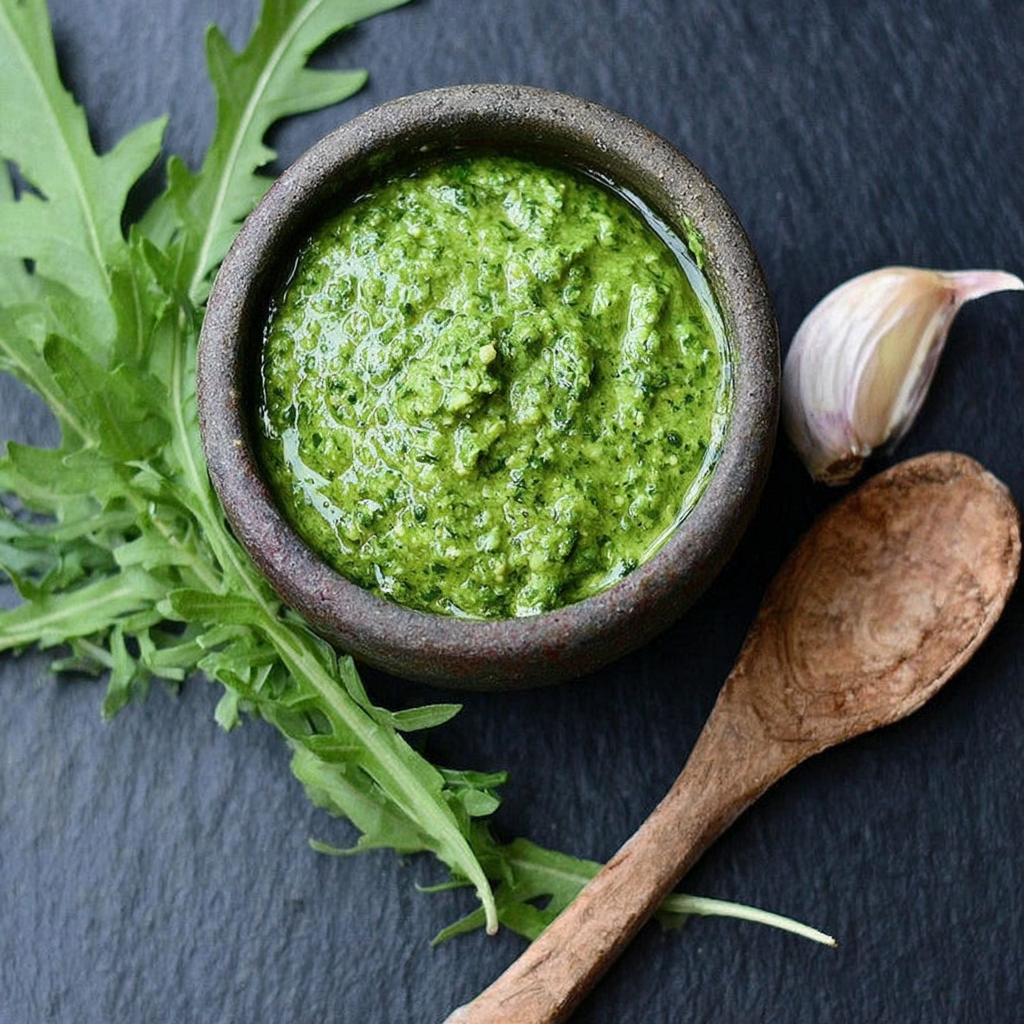
A Fresh Take on Dandelion Pesto for Home Cooks
Ingredients
Method
- Wash and dry the dandelion greens thoroughly.
- Toast the walnuts in a dry skillet over medium heat until fragrant, about 5 minutes.
- In a food processor, combine the dandelion greens, garlic, walnuts, and Parmesan cheese.
- Pulse the mixture until coarsely chopped, approximately 10-15 times.
- With the processor running, slowly drizzle in the olive oil until incorporated.
- Add lemon juice, salt, and pepper, then pulse again to combine.
- Taste and adjust seasoning as necessary; add more lemon juice or olive oil if desired.
- Serve immediately or store in an airtight container in the fridge.
Notes
Additional serving suggestions: pair with a crisp salad, garlic bread, or roasted seasonal vegetables for balance.
For make-ahead, prep components separately and assemble just before heating to preserve texture.
Taste and adjust with acid (lemon/vinegar) and salt right at the end to wake up flavors.