Introduction
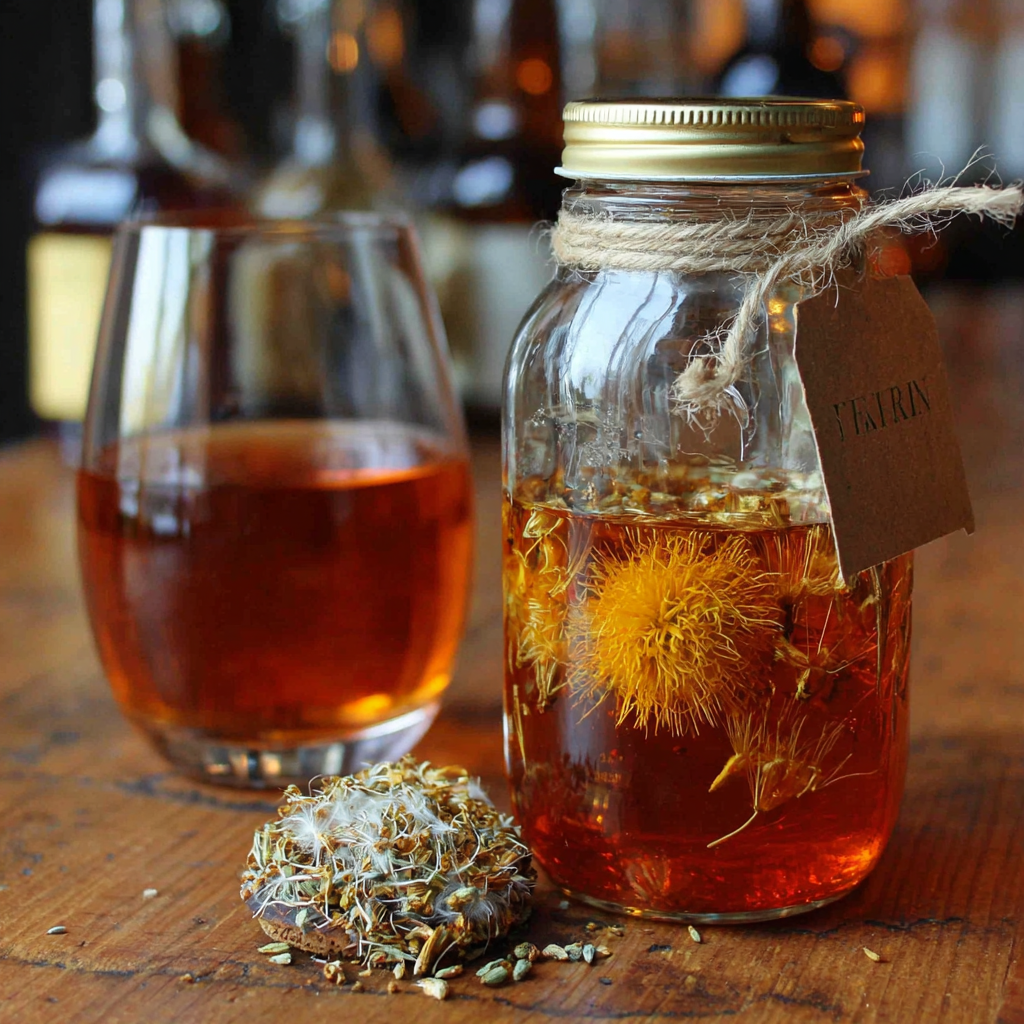
Dandelion root bitters are a unique addition to your home kitchen that offer a world of flavor and health benefits. These bitters, derived from the common dandelion plant, have a long history in herbal medicine and the art of cocktail making. They introduce a complex bitterness that can elevate both cocktails and culinary dishes.
Crafting your own dandelion root bitters allows you to explore the versatility of this often-overlooked ingredient while tailoring the flavors to your personal taste preferences. This process not only enhances your culinary repertoire but also offers a rewarding experience. Let’s delve into the essential components needed to make this infusion beautifully aromatic and intensely flavorful.
Ingredients
- 1 cup dried dandelion root
Dandelion root is known for its detoxifying properties and adds a mildly earthy bitterness essential for creating a balanced bitter flavor in the mix. - 1 cup high-proof grain alcohol (such as Everclear)
The high alcohol content is crucial for extracting the flavors and medicinal properties from the dandelion root, preserving the bitters and allowing them to be used in small amounts. - 1/2 cup dried chamomile flowers
Chamomile adds floral notes that soften the intense bitterness and contributes calming qualities, making the bitters more palatable and enjoyable. - 1 tbsp orange peel (dried)
The dried orange peel introduces a citrusy brightness, balancing the earthiness of the dandelion root and enhancing overall flavor complexity. - 1 tbsp peppermint leaves (dried)
Dried peppermint leaves provide a refreshing lift to the bitters while also supporting digestion, which is an ideal synergy with the dandelion root. - 1 tsp cinnamon (ground)
Cinnamon lends warmth and spice, enriching the bitters with depth and a hint of sweetness that contrasts beautifully with the bitter notes. - 1 tsp cardamom (ground)
Cardamom adds aromatic warmth and an exotic flavor that enhances the overall profile of the bitters, contributing to their depth and complexity.
Directions & Preparation
Step 1: Prepare the dandelion root
Begin by ensuring that the dried dandelion root is finely chopped or ground. This increases the surface area and allows for better extraction of flavors and benefits during the infusion process. If using whole roots, a food processor or mortar and pestle can be helpful in achieving a consistency that promotes effective infusion.
Step 2: Combine all dry ingredients
In a large glass jar, combine the chopped dandelion root with chamomile, orange peel, peppermint, cinnamon, and cardamom. Stir the blend to ensure an even distribution of flavors. This step is crucial, as it sets the stage for a balanced final product. Mixing the herbs and spices can help you visualize the flavor profile and adjust proportions if needed.
Step 3: Add grain alcohol
Pour the high-proof grain alcohol over the herbs in the jar, ensuring they are fully submerged. Seal the jar tightly and give it a good shake to mix the ingredients thoroughly. This step is vital, as the alcohol is the medium that extracts flavors and beneficial compounds. Store the jar in a cool, dark place to protect the infusion from light exposure during the steeping process.
Step 4: Steep the mixture
Allow the mixture to steep for at least two weeks, shaking the jar once every few days to agitate the contents. Regular shaking prevents any sediment from settling and ensures a uniform extraction. Tasting the infusion periodically will help you determine the right time to strain it, as the flavors will intensify over time.
Step 5: Strain the bitters
After two weeks, strain the mixture through a fine mesh strainer, coffee filter, or cheesecloth into a clean bottle or jar. This will remove the solid herb remnants and leave you with a clear, concentrated liquid. Proper straining is essential, as any leftover debris can cloud the bitters and spoil the vibrant flavors you've worked to create.
Step 6: Bottle and label
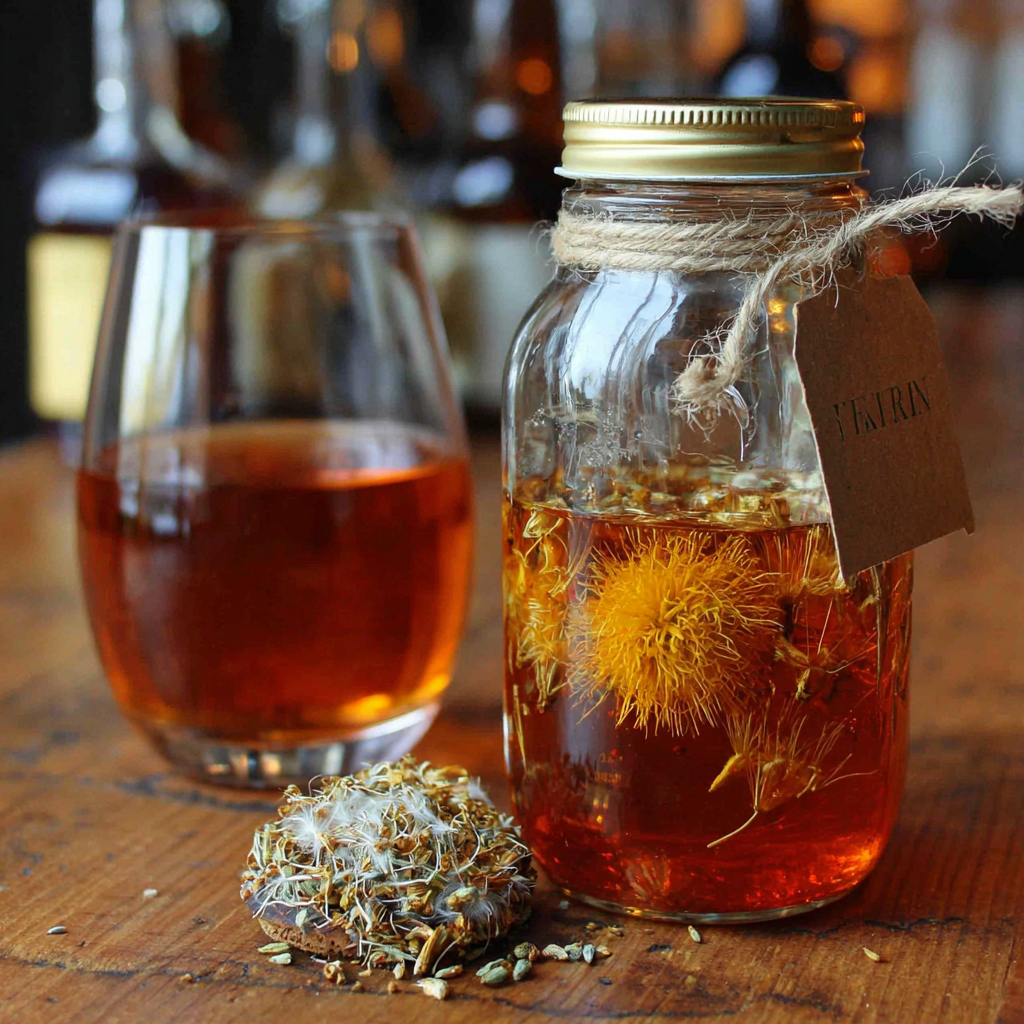
Transfer the strained liquid into a dropper bottle or small glass container and label it accordingly. Labeling helps you keep track of your homemade bitters and is an excellent way to present them as gifts or use them in your home cocktails. Ensure the container is airtight to preserve the longevity and flavor of your bitters.

Unlocking the Medicinal Benefits of Dandelion Root
Dandelion root offers more than just its distinctive flavor. Rich in vitamins and antioxidants, it supports liver health and aids digestion, making it a perfect addition to herbal remedies and culinary uses alike. When preparing these bitters, you not only create a flavorful ingredient but also embrace the wellness properties that dandelion has provided for centuries.
Creating Balance with Additional Herbs
In addition to dandelion root, the blend of chamomile, peppermint, and the spices creates a sophisticated flavor profile. Each ingredient plays a distinct role in achieving harmony among bitter, sweet, and aromatic elements, showcasing how tailoring your bitters can elevate your culinary creations beyond simple cocktails. Balance is key in crafting a versatile bitter suitable for various applications.
The Versatility of Dandelion Bitters in Cocktails
Dandelion root bitters can be a game changer in various cocktails, enhancing flavors and creating complexity in every sip. They pair well with whiskey, gin, and aperitifs, making them a staple in the mixologist's toolkit. Exploring inventive cocktails with your homemade bitters can lead to delightful discoveries that tantalize your taste buds and impress your guests.
FAQs
What should I do if the bitters taste too bitter?
If your bitters are excessively bitter, try adding a small amount of simple syrup to balance the flavors. You could also use them more sparingly in cocktails or culinary dishes.
Can I scale this recipe?
Yes, this recipe can be easily scaled up or down based on your needs. Just maintain the same ratios of ingredients if you increase or decrease the quantities.
What if I can't find dried dandelion root?
If dried dandelion root is hard to come by, you can substitute it with other bitter herbs like gentian root, keeping in mind that this may alter the final flavor.
How can I tell when the infusion is ready?
Taste the infusion periodically. Once it has reached a flavor intensity you enjoy, it's ready to be strained.
Why are my bitters too cloudy?
Cloudiness can arise from not straining properly or due to sediment from the herbs. Ensure a thorough straining process to achieve a clear product.
What other uses do dandelion root bitters have?
Aside from cocktails, dandelion root bitters can enhance sauces, dressings, and even be used in desserts to add complexity and depth to flavors.
Conclusion
Making dandelion root bitters at home is an enjoyable endeavor that opens the door to a wider range of culinary application and personal exploration. From enhancing your favorite cocktails to incorporating them into beloved recipes, the possibilities are endless.
As you experiment with flavors and tweak the balance of ingredients, you’ll develop a unique concoction that truly reflects your style and taste. Embrace the artistry of bitters and let your kitchen become a canvas for creativity.
Recipe Card
Exploring the Art of Dandelion Root Bitters
Ingredients
Method
- Prepare the dandelion root
- Combine all dry ingredients
- Add grain alcohol
- Steep the mixture
- Strain the bitters
- Bottle and label
Notes
Additional serving suggestions: pair with a crisp salad, garlic bread, or roasted seasonal vegetables for balance.
For make-ahead, prep components separately and assemble just before heating to preserve texture.
Taste and adjust with acid (lemon/vinegar) and salt right at the end to wake up flavors.