Introduction
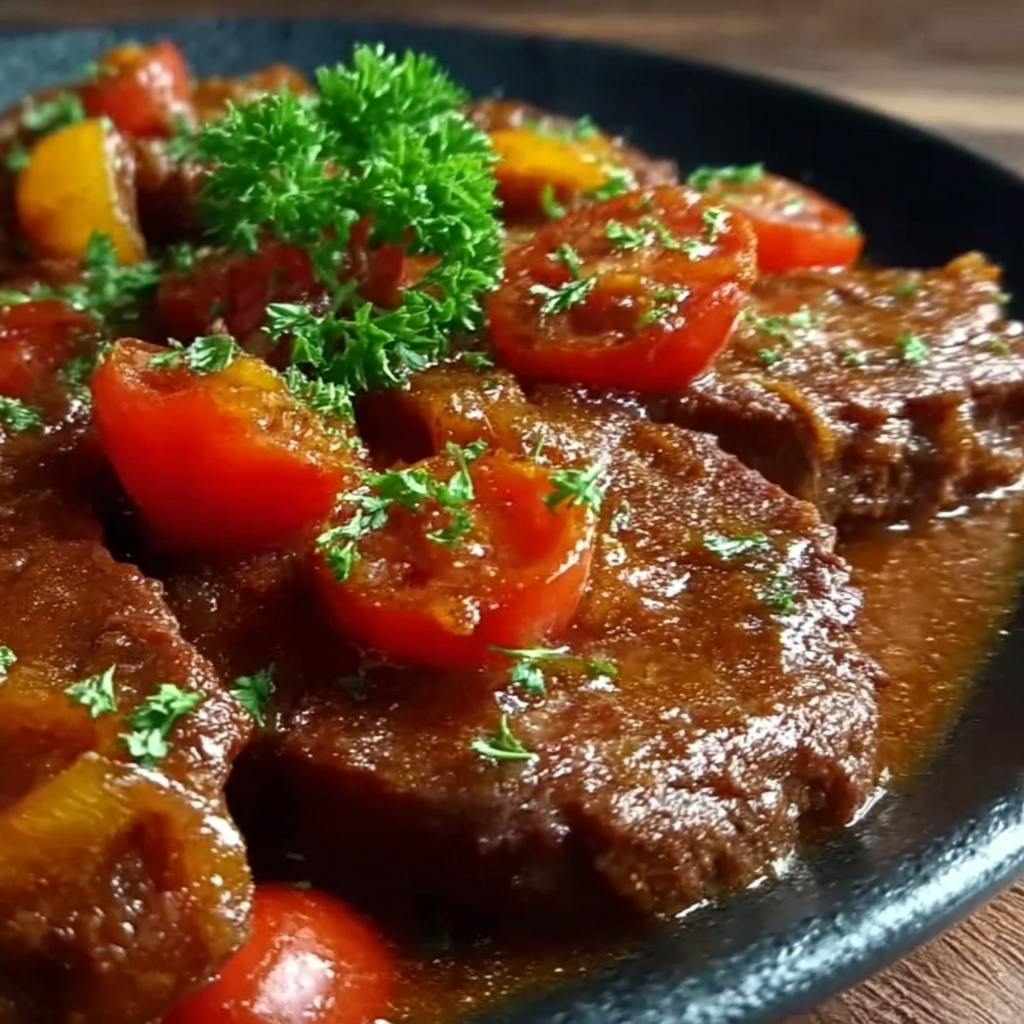
Old-Fashioned Swiss Steak is a beloved dish that evokes feelings of warmth and nostalgia, often reminding us of home-cooked meals from generations past. This delicately braised beef dish, known for its tender texture and rich flavors, is ideal for both family dinners and cozy gatherings. It combines straightforward cooking methods with hearty ingredients, making it a perfect option for home cooks looking to impress.
At its core, Swiss steak features cuts of meat that benefit from long, slow cooking, which transforms tougher fibers into succulent bites. The dish is typically cooked in a flavorful tomato-based sauce, which adds depth and complexity. Discovering the secrets behind this classic recipe will not only enhance your cooking repertoire but also provide a delicious and satisfying meal that everyone will enjoy.
Ingredients
- 2 pounds round steak
Round steak is a tougher cut of beef that becomes tender when braised slowly. Its hearty nature allows it to absorb flavors beautifully, making it a great choice for Swiss steak. - 1/4 cup all-purpose flour
Flour helps to create a crust on the meat when searing, enhancing flavor and texture. It also aids in thickening the sauce during the braising process. - 2 tablespoons vegetable oil
Vegetable oil is used for searing the steak, providing sufficient heat without burning. It ensures the meat browns evenly, building a rich flavor base for the dish. - 1 medium onion, chopped
Onions add sweetness and depth to the dish. They soften while cooking, infusing their flavor into the sauce and complementing the beef. - 2 cloves garlic, minced
Garlic enhances the dish with aromatic notes that pair perfectly with beef. It adds an extra layer of flavor that can elevate the overall taste. - 2 cups beef broth
Beef broth provides the primary liquid for braising, enriching the sauce with savory beef flavor. It helps tenderize the meat and adds depth to the dish. - 1 can (14.5 ounces) diced tomatoes
Diced tomatoes contribute acidity and sweetness to the sauce, creating a balanced flavor profile. They also add moisture, which is essential for braising. - 1 teaspoon Worcestershire sauce
Worcestershire sauce adds umami and helps to deepen the flavor of the sauce. Its complex taste complements the beef beautifully. - 1 teaspoon dried thyme
Thyme adds an earthiness and aromatic quality to the dish, enhancing the overall flavor without overpowering the other ingredients. - Salt and pepper to taste
Salt and pepper are essential for seasoning the dish. They bring out the natural flavors of the ingredients, ensuring a well-balanced dish.
Directions & Preparation
Step 1: Prepare the beef by seasoning it with salt and pepper, then dredging it in flour.
Seasoning the beef beforehand ensures that the flavors penetrate the meat. Dredging it in flour helps develop a nice crust when searing, which will add texture and flavor to the final dish.
Step 2: Heat vegetable oil in a large skillet over medium-high heat, then sear the steak on both sides until browned.
This step is crucial as it locks in the juices and creates a flavorful crust on the steak. Make sure not to overcrowd the skillet to maintain high heat for proper browning.
Step 3: Remove the steak from the skillet and set it aside. Add onions and garlic to the skillet, sautéing until soft.
Sautéing onions and garlic in the same skillet where the steak was cooked allows you to capture all those flavorful bits left behind, building a solid foundation for the sauce.
Step 4: Stir in the diced tomatoes, beef broth, Worcestershire sauce, and thyme, bringing the mixture to a simmer.
Combining these ingredients creates a rich and flavorful sauce that will infuse into the meat during cooking. This mixture is essential for both tenderizing the steak and providing depth to the overall flavor.
Step 5: Return the beef to the skillet, ensuring it's submerged in the sauce, then cover and reduce the heat.
Covering the skillet helps to trap moisture, creating a steamy environment that is key for breaking down the tough fibers in the meat. Lower heat ensures slow and even cooking.
Step 6: Braised the steak for 1.5 to 2 hours, or until tender, checking occasionally.
Slow braising transforms the meat into tender, melt-in-your-mouth bites. Checking occasionally ensures that the liquid level is sufficient and prevents the sauce from burning.
Step 7: Adjust seasonings as needed, and serve the Swiss steak with the sauce ladled over top.
Final seasonings are important to balance the flavors of the dish. Serving the steak with its sauce enhances the presentation and adds flavor with every bite.

The Importance of Browning the Meat
Browning the meat is a critical step in making Old-Fashioned Swiss Steak, as it develops a rich flavor that infuses the entire dish. The Maillard reaction occurs when meat is seared, creating complex flavors that are vital to the final sauce. Skipping this step may result in a dish that lacks depth, making your Swiss steak less satisfying.
Choosing the Right Cut of Beef
When making Swiss steak, it's essential to choose the right cut of beef to ensure tenderness. Round steak is often preferred for this dish due to its balance of flavor and price. This cut benefits greatly from slow cooking, allowing tough fibers to break down while absorbing the sauce's flavors, resulting in a delightful eating experience.
Enhancing the Sauce with Fresh Herbs
While dried thyme is a traditional addition, using fresh herbs can elevate your Swiss steak to new heights. Fresh herbs bring a vibrant flavor and aroma that dried varieties can't match. Consider adding fresh parsley or rosemary in the final minutes of cooking for a fresh twist that enhances both the sauce and the overall presentation.
FAQs
What should I do if the sauce is too thick?
If the sauce is too thick, add a small amount of beef broth or water to thin it out until it reaches the desired consistency.
Can I substitute round steak with another cut?
Yes, you can use chuck roast or sirloin steak as substitutes, but be aware that cooking times may vary based on the tenderness of the cut.
How long should I braise the steak for it to be tender?
Braising for 1.5 to 2 hours typically ensures the meat becomes tender, but you can check at the 1.5-hour mark and adjust if needed.
Why did my Swiss steak turn out bland?
Bland flavors might come from insufficient seasoning or not allowing enough time for the meat to absorb the sauce's flavors; always taste and adjust before serving.
Can I make this with a different type of broth?
You can use chicken broth or vegetable broth, but keep in mind it may alter the dish's flavor; beef broth is recommended for a traditional taste.
What if my onions burned during cooking?
If onions burn, they can impart a bitter flavor; try to cook on lower heat next time, and ensure you stir regularly to prevent sticking.
Conclusion
Old-Fashioned Swiss Steak is more than just a meal; it's a nostalgic journey back to simpler times, where comfort food was a staple at the dinner table. With its tender beef and robust sauce, this dish is sure to win hearts and honor traditions.
Whether you're preparing a family gathering or a casual weeknight dinner, this classic recipe offers a delightful experience that brings everyone together around the table. Embrace the warmth of this enduring dish and enjoy every bite.
Recipe Card
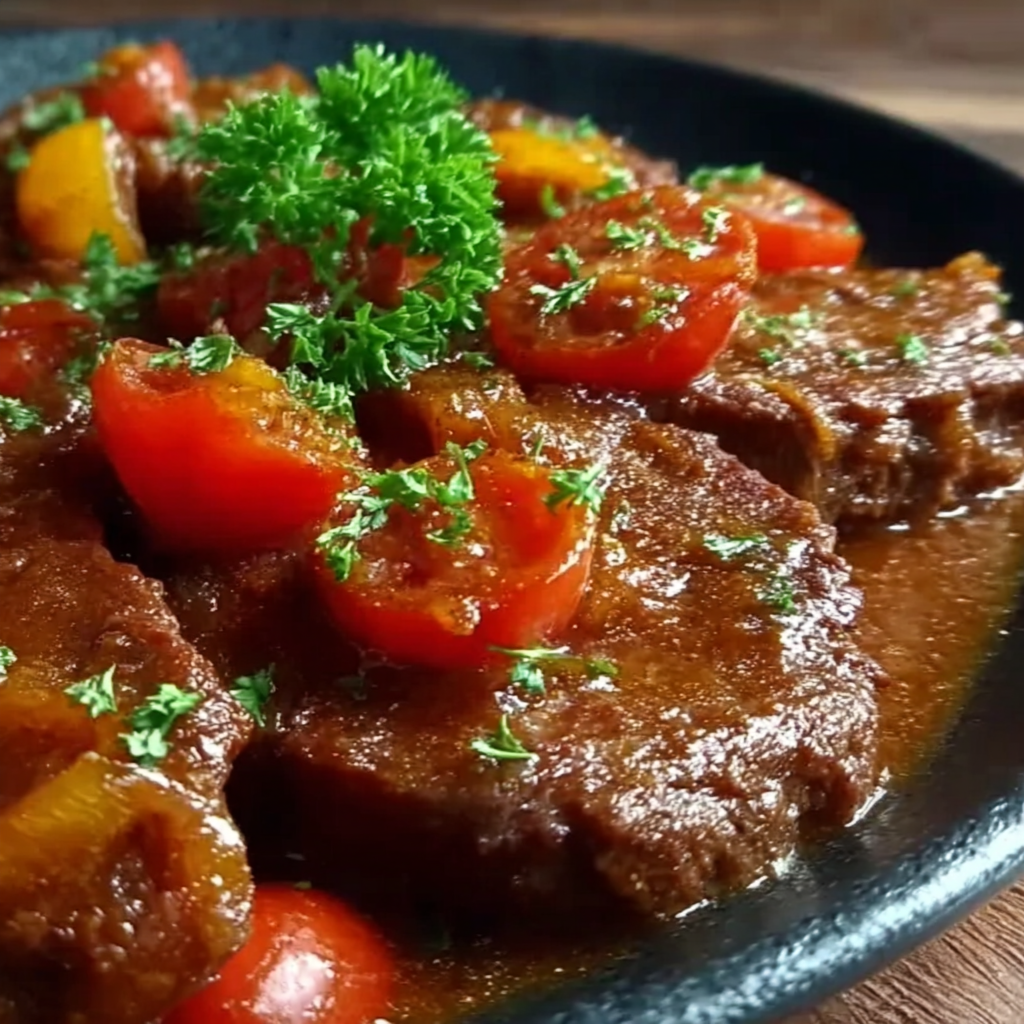
Old-Fashioned Swiss Steak: A Tender, Flavorful Classic
Ingredients
Method
- Prepare the beef by seasoning it with salt and pepper, then dredging it in flour.
- Heat vegetable oil in a large skillet over medium-high heat, then sear the steak on both sides until browned.
- Remove the steak from the skillet and set it aside. Add onions and garlic to the skillet, sautéing until soft.
- Stir in the diced tomatoes, beef broth, Worcestershire sauce, and thyme, bringing the mixture to a simmer.
- Return the beef to the skillet, ensuring it's submerged in the sauce, then cover and reduce the heat.
- Braised the steak for 1.5 to 2 hours, or until tender, checking occasionally.
- Adjust seasonings as needed, and serve the Swiss steak with the sauce ladled over top.
Notes
Additional serving suggestions: pair with a crisp salad, garlic bread, or roasted seasonal vegetables for balance.
For make-ahead, prep components separately and assemble just before heating to preserve texture.
Taste and adjust with acid (lemon/vinegar) and salt right at the end to wake up flavors.