Introduction
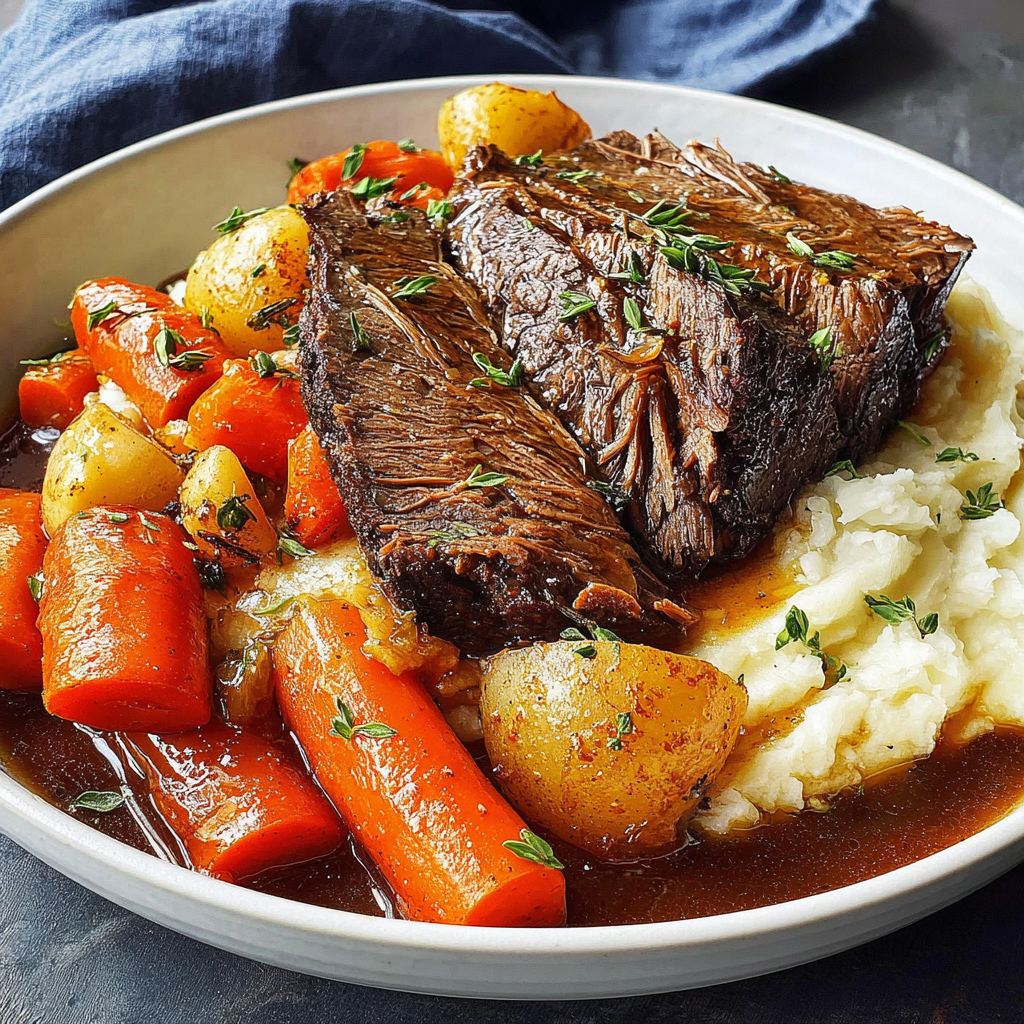
A stout and honey beef roast combines rich, bold flavors that create a comforting dish perfect for family dinners or special occasions. The robust profile of stout beer melds beautifully with the sweetness of honey, resulting in a deep, savory glaze that coats the tender beef, enhancing its natural flavors.
Cooking this roast slowly allows the beef to absorb the delicious marinade while becoming fork-tender. The interplay of flavors makes each bite not just satisfying but also memorable, turning a simple meal into an occasion. Preparing this dish is straightforward, even for novice cooks, ensuring success with minimal effort.
Ingredients
- 3-4 pounds beef chuck roast
The chuck roast is well-marbled, providing flavor and tenderness during the slow cooking process. It absorbs the stout and honey mixture beautifully, ensuring a juicy result. - 1 cup stout beer
Stout beer adds a rich, deep flavor that complements the beef. The acidity helps to tenderize the meat while infusing it with a distinct, malty character. - 1/2 cup honey
Honey brings sweetness, balancing the bitterness of the stout and enhancing the savory notes of the beef. It also acts as a glaze, creating a beautiful caramelized crust. - 4 cloves garlic, minced
Garlic adds aromatic depth and enhances the overall flavor profile. It infuses the beef with its distinctive taste as it melds with the other ingredients during cooking. - 1 tablespoon Dijon mustard
Dijon mustard provides a subtle tanginess that contrasts with the sweetness of the honey. It also acts as an emulsifier, helping to blend the other flavors. - 1 tablespoon Worcestershire sauce
Worcestershire sauce introduces umami, deepening the complexity of flavors. It adds a savory backbone that complements the sweetness of honey and the richness of stout. - 1 teaspoon dried thyme
Thyme brings a floral, earthy note that pairs wonderfully with beef. Its subtle flavor enhances the overall taste without overpowering the dish. - Salt and pepper to taste
Seasoning is crucial as it enhances the natural flavors of the beef. Adjusting salt and pepper allows you to control the taste and aroma for optimal enjoyment. - 2 tablespoons olive oil
Olive oil is used for searing the beef and adds richness, helping to create a delicious crust. It also helps the spices adhere better to the meat.
Directions & Preparation
Step 1: Preheat your oven to 300°F (150°C).
Preheating the oven ensures that the beef roast starts cooking at the right temperature. A low, steady heat is key to tender and flavorful results, as the longer cooking time allows the collagen in the meat to break down.
Step 2: In a bowl, combine the stout, honey, garlic, Dijon mustard, Worcestershire sauce, thyme, salt, and pepper.
Mixing the marinade ensures that all flavors are evenly distributed. This mixture will not only coat the beef but also penetrate it, ensuring every bite is full of robust flavor. Taste the marinade; adjust seasoning to your preference.
Step 3: Heat olive oil in a large oven-safe skillet over medium-high heat.
Searing the roast before braising is essential for developing a rich crust, which adds flavor and texture. It locks in juices and browns the meat, creating a beautiful Maillard reaction that enhances the taste.
Step 4: Sear the beef roast on all sides for 3-4 minutes until browned.
An even sear is crucial for flavor. Avoid moving the roast around too much so it can develop a proper crust. Once browned, remove the skillet from heat.
Step 5: Pour the marinade over the seared roast in the skillet.
This step ensures that the roast is fully submerged in flavor. The marinade will act as a braising liquid, keeping the beef moist and infusing it with the stout and honey flavors.
Step 6: Cover the skillet with a lid or tightly with aluminum foil.
Covering the roast traps steam, which helps to tenderize the meat as it cooks. It also prevents the top surface from drying out, allowing for even cooking throughout the roast.
Step 7: Place the skillet in the oven and cook for 3-4 hours.
Slow cooking allows the connective tissues of the roast to break down, which is critical for tenderness. Check the roast occasionally to ensure that it is bubbling gently and not boiling.
Step 8: Remove the skillet from the oven and let the roast rest for 15-20 minutes before slicing.
Resting the roast is essential as it allows juices to redistribute throughout the meat, ensuring each slice is moist and flavorful. Slicing too soon can lead to dry meat.
Step 9: Slice the roast and serve with the pan juices.
Slicing against the grain ensures the meat will be tender. Drizzling pan juices over the slices enhances flavor and keeps the meat moist, creating the perfect final touch to your dish.

The Role of Beer in Cooking
Using beer in cooking not only enhances flavor but also contributes to tenderizing meat. The acids in beer help to break down tough fibers in cuts like chuck roast, resulting in a melt-in-your-mouth texture. In this recipe, stout offers a bold, complex flavor that enriches the dish, making it more than just a traditional roast.
Balancing Sweetness and Savory
Honey adds a wonderful sweetness that balances the stout's bitterness, resulting in a harmonious flavor profile. This interplay between sweet and savory creates depth, allowing each bite to be nuanced and enjoyable. When combined in moderation, these flavors elevate the dish, ensuring it isn't one-dimensional.
Effortless One-Pan Cleanup
Using one pan for both searing and roasting simplifies the cooking process and minimizes cleanup. This method not only saves time but also maximizes flavor as all residue from searing infuses into the roast during cooking. After enjoying the meal, clean-up becomes straightforward, allowing you to savor the experience without the burden of extensive kitchen work.
FAQs
What if the roast turns out too dry?
If the roast is dry, it may have been overcooked. Ensure you monitor the internal temperature and remove it from the oven once it reaches about 195°F (90°C) for optimal tenderness.
How can I make the sauce thicker?
To thicken the sauce, create a slurry with cornstarch and water, then stir it into the simmering liquid until it reaches your desired consistency.
Can I use a different type of beer?
Yes, you can experiment with other dark beers or ales. Keep in mind that the flavor will vary; stouts provide the richest flavor, while porters may be slightly sweeter.
What should I do if my roast is bland?
If the roast lacks flavor, consider marinating it longer or adding additional seasoning during cooking. Taste the pan juices for balance and adjust accordingly.
Is this dish suitable for a dinner party?
Absolutely! This roast is impressive enough for a dinner party and pairs wonderfully with sides like mashed potatoes or roasted vegetables.
Can I use honey substitute?
While honey adds a unique flavor, you can substitute maple syrup or agave nectar in equal amounts if needed. However, be mindful of how these alternatives affect the balance with stout.
Conclusion
The stout and honey beef roast is not just a meal; it's a celebration of flavor and comfort. With its rich broth and tender meat, it embodies everything that makes hearty cooking so satisfying.
Embrace the process and enjoy the wonderful aromas filling your kitchen as it roasts. Gather around the table with loved ones to share in this delightful dish that promises to impress.
Recipe Card
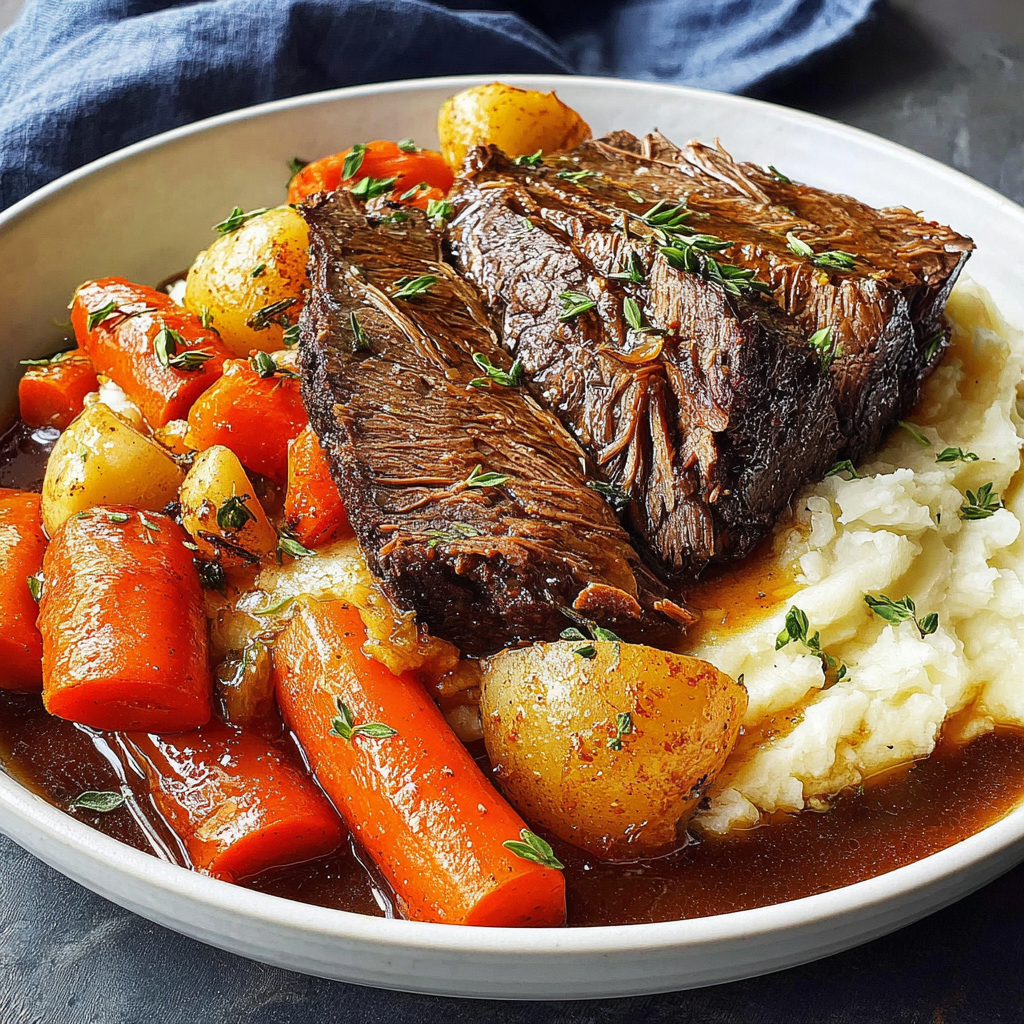
Savory Stout & Honey Beef Roast for the Home Cook
Ingredients
Method
- Preheat your oven to 300°F (150°C).
- In a bowl, combine the stout, honey, garlic, Dijon mustard, Worcestershire sauce, thyme, salt, and pepper.
- Heat olive oil in a large oven-safe skillet over medium-high heat.
- Sear the beef roast on all sides for 3-4 minutes until browned.
- Pour the marinade over the seared roast in the skillet.
- Cover the skillet with a lid or tightly with aluminum foil.
- Place the skillet in the oven and cook for 3-4 hours.
- Remove the skillet from the oven and let the roast rest for 15-20 minutes before slicing.
- Slice the roast and serve with the pan juices.
Notes
Additional serving suggestions: pair with a crisp salad, garlic bread, or roasted seasonal vegetables for balance.
For make-ahead, prep components separately and assemble just before heating to preserve texture.
Taste and adjust with acid (lemon/vinegar) and salt right at the end to wake up flavors.